Arcoxia
Arcoxia
- Arcoxia (etoricoxib) is sold in pharmacies in over 60 countries and is generally a prescription-only medicine; it is not approved in the United States. In some markets or pharmacies it may at times be dispensed without a prescription, but doing so is not recommended and may be against local law.
- Arcoxia is used to treat osteoarthritis, rheumatoid arthritis, ankylosing spondylitis, acute gouty arthritis, acute dental/postoperative pain and primary dysmenorrhea; it is a COX-2 selective nonsteroidal anti-inflammatory drug (NSAID) that reduces pain and inflammation by inhibiting the cyclooxygenase‑2 enzyme.
- Usual adult doses: osteoarthritis 60 mg once daily; rheumatoid arthritis and ankylosing spondylitis 90 mg once daily; acute gout and acute pain 90–120 mg once daily (gout up to 120 mg for up to 8 days; dysmenorrhea/acute pain typically 120 mg short term); dental pain often 90–120 mg as a single dose or for 1–3 days.
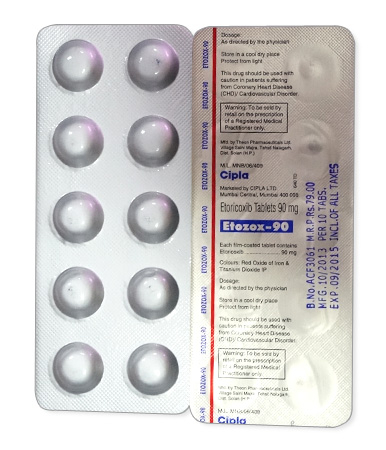
- Oral administration as film-coated tablets (available strengths: 30 mg, 60 mg, 90 mg, 120 mg).
- Onset of effect is relatively rapid, typically within about 30–60 minutes after oral dosing.
- Duration of action is approximately 24 hours, which supports once-daily dosing; use the lowest effective dose for the shortest duration.
- Avoid or limit alcohol while taking Arcoxia — alcohol increases the risk of gastrointestinal bleeding and may worsen liver or other side effects.
- The most common side effect is dyspepsia (indigestion); other common effects include abdominal pain, headache, dizziness, fluid retention/edema and mild increases in blood pressure.
- Would you like to try arcoxia without a prescription?
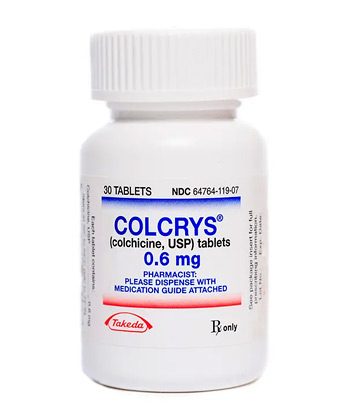
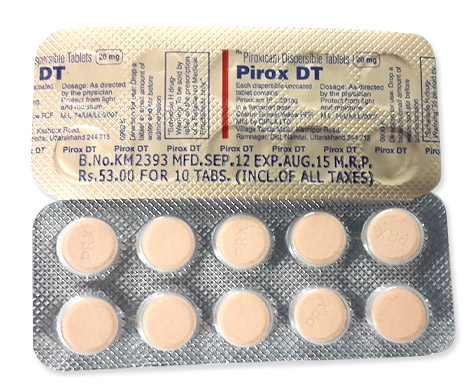
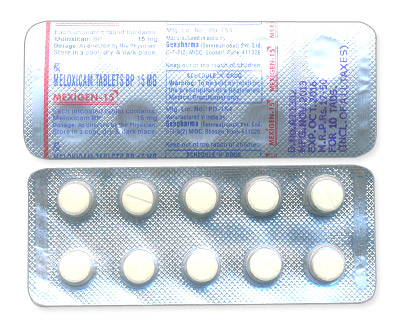
Basic Arcoxia Information
- INN (International Nonproprietary Name): Etoricoxib.
- Brand Names Available In Canada (English): Arcoxia, Exinef, Nucoxia — availability in Canada varies by market authorisation and distributor; check Health Canada DPDB for current listings.
- ATC Code: M01AH05 (COX‑2 selective NSAID for musculo‑skeletal conditions).
- Forms & Dosages: Film‑coated tablets available in 30 mg, 60 mg, 90 mg and 120 mg strengths; typical packaging sizes include boxes or blister packs of 7, 14, 28, or 30 tablets.
- Manufacturers In Canada (English): Merck Sharp & Dohme (MSD) is the global innovator; generics in other markets are produced by manufacturers such as Zydus Cadila and Emcure; Canadian manufacturing and distribution depend on local authorisations and suppliers.
- Registration Status In Canada (English): Not specified in the raw product data for active Canadian market authorisations; approved in more than 60 countries globally but Health Canada DPDB should be consulted to confirm domestic registration and DIN.
- OTC / Rx Classification: Prescription only (Rx) in all markets listed; COX‑2 inhibitors are not classified as OTC due to safety profile.
Latest Research Highlights — Canadian And International Evidence
Patients often ask whether arcoxia works faster or safer than other pain medicines.
International randomized trials and recent meta‑analyses from 2022–2025 show etoricoxib provides effective analgesia for osteoarthritis, rheumatoid arthritis and ankylosing spondylitis, and for short‑term acute pain.
The evidence indicates a faster onset of pain relief with etoricoxib and efficacy comparable to other NSAIDs at recommended doses.
Safety syntheses emphasise the COX‑2 selectivity trade‑off: fewer upper gastrointestinal ulcers but a small increased risk of cardiovascular events with long‑term or high‑dose exposure.
Regulatory bodies outside North America updated labels to reflect cardiovascular signals in certain patients.
Canadian trial data are limited to observational provincial cohorts and single‑centre studies that align with international effectiveness but call for closer cardiovascular and renal monitoring in older adults and people with diabetes or hypertension.
Canadians value rapid symptom relief and clear, transparent risk counselling, and Indigenous and rural communities often report limited access to specialist monitoring.
| Trial Or Review | Population | Primary Outcome & Safety Signal |
|---|---|---|
| International RCTs And Meta‑Analyses (2022–2025) | Osteoarthritis, Rheumatoid Arthritis, Ankylosing Spondylitis, Acute Pain | Effective analgesia; reduced upper GI events versus nonselective NSAIDs; small increase in CV events with long‑term/high‑dose use. |
| Canadian Observational Cohorts (Provincial Administrative Data) | Older Adults, Patients With Comorbid Diabetes/Hypertension | Effectiveness similar to international findings; emphasis on need for closer cardiovascular and renal monitoring. |
| Safety Syntheses / Regulator Reviews | Mixed Adult Populations On Chronic NSAID Therapy | GI benefit from COX‑2 selectivity balanced by long‑term CV risk signal; recommends lowest effective dose for shortest duration. |
Clinical Takeaway: Use the minimum effective dose for the shortest duration and confirm provincial formulary coverage before prescribing.
- Research Gaps: Canadian RCTs, long‑term cardiovascular outcomes and Indigenous health equity studies.
Clinical Effectiveness In Canada — Health Canada & Formularies
Many clinicians ask whether arcoxia is covered under local drug plans.
International efficacy data mirror Canadian clinical experience, but access depends on Health Canada registration and provincial formulary listings.
Always verify a Drug Identification Number (DIN) and the Health Canada Drug Product Database (DPDB) entry before prescribing or dispensing.
Some etoricoxib products are marketed in other jurisdictions but may lack active Canadian DINs, so formulary status can vary by province and over time.
Check Health Canada DPDB and provincial formularies (e.g., ODB, BC PharmaCare, RAMQ) for up‑to‑date listing and special‑authority criteria.
| Province | Formulary Status |
|---|---|
| Ontario | Varies — check Ontario Drug Benefit (ODB) and special authority requirements. |
| British Columbia | Varies — check BC PharmaCare listings and special authority. |
| Quebec | Varies — RAMQ may require prior authorisation or step therapy. |
| Alberta | Not specified — confirm provincial formulary. |
Coverage decisions strongly affect access in Canada, and older adults on public plans often require prior authorisation or step therapy such as trial of naproxen or celecoxib first.
Community pharmacists at chains like Shoppers Drug Mart, Rexall, Jean Coutu and London Drugs commonly flag cardiovascular risk and reconcile over‑the‑counter NSAID use.
In Quebec, bilingual labelling and French counselling are required for patients receiving medication information.
Indications & Expanded Uses — Approved Vs Off‑Label
Patients want to know what arcoxia is approved to treat and when it might be used off‑label.
Standard labelled indications include osteoarthritis (60 mg once daily), rheumatoid arthritis and ankylosing spondylitis (90 mg once daily), acute gout up to 120 mg daily for a maximum of 8 days, and short‑term primary dysmenorrhea or postoperative dental pain at 90–120 mg for brief courses.
Where etoricoxib is accessed via importation or special access, prescribers should document indication, planned duration and a clear risk assessment in the chart.
- Osteoarthritis — 60 mg daily — long‑term as needed at lowest effective dose.
- Rheumatoid Arthritis — 90 mg daily — maintenance with monitoring.
- Acute Gout — Up to 120 mg daily — maximum 8 days.
- Primary Dysmenorrhea / Acute Dental Pain — 90–120 mg once daily for 1–5 days.
Off‑label uses occasionally seen include chronic low back pain and adjunctive use for some neuropathic pain syndromes, but these lack robust evidence and increase cumulative NSAID exposure.
Discuss pregnancy and lactation contraindications clearly, and emphasise that etoricoxib is contraindicated in children under 16.
When patients in Indigenous or remote communities request longer supplies due to access barriers, use shared decision‑making and plan for monitoring through community health centres or telehealth.
Composition & Brand Landscape In Canada And Globally
People often ask whether arcoxia is the same as generic etoricoxib and who makes it.
Etoricoxib is marketed globally under Arcoxia (Merck/MSD), Exinef and Nucoxia, and is available as film‑coated tablets in 30, 60, 90 and 120 mg strengths.
| Brand | Manufacturer | Strengths & Packaging |
|---|---|---|
| Arcoxia | Merck / MSD | 30, 60, 90, 120 mg — boxes or blister packs (7, 14, 28, 30 tablets) |
| Nucoxia | Zydus Cadila / Emcure (selected markets) | 30, 60, 90, 120 mg — blister packs in markets like India |
| Exinef | Various regional suppliers | 30, 60, 90, 120 mg — region‑specific packaging |
Storage and transport guidelines require keeping tablets below 30°C and protected from moisture and light.
Flag key excipients for patients with known allergies and explain the INN/generic equivalence when generics are authorised.
Stocking in Canadian chains depends on DIN status and supplier agreements, whereas celecoxib is more routinely stocked and covered across Canada.
Contraindications & High‑Risk Canadian Patient Groups
Which patients should never take arcoxia?
Absolute contraindications include hypersensitivity to etoricoxib or excipients, NSAID‑induced asthma or hives, active or history of GI ulcers or bleeding, severe hepatic dysfunction, creatinine clearance below 30 mL/min, uncontrolled hypertension (>140/90 mmHg), congestive heart failure, ischaemic heart disease, cerebrovascular or peripheral artery disease, pregnancy, lactation and pediatric patients under 16.
Concomitant use with other NSAIDs is also an absolute contraindication.
- Relative cautions: history of GI disease, elderly patients, mild to moderate liver or renal impairment, dehydration, diuretic therapy and elevated cardiovascular risk factors such as diabetes and hypertension.
Definitions For Patient Handouts:
Creatinine Clearance: An estimate of kidney filtration used to decide safe drug dosing; a value below 30 mL/min makes etoricoxib contraindicated.
Severe Hepatic Dysfunction: Advanced liver disease where drug metabolism is impaired and etoricoxib is not recommended.
Before initiation, check blood pressure, renal function (serum creatinine/estimated CrCl) and liver tests, and reconcile medications like aspirin, ACE inhibitors and diuretics.
In remote communities with infrequent labs, prescribe conservatively and arrange local monitoring with community health services or telehealth.
Dosage Guidelines & Provincial Variations
What dose should a patient expect to be started on?
| Indication | Recommended Dose | Max Duration & Adjustments |
|---|---|---|
| Osteoarthritis | 60 mg once daily | Long‑term as needed; use lowest effective dose; monitor renal/cardiac function. |
| Rheumatoid Arthritis / Ankylosing Spondylitis | 90 mg once daily | Long‑term therapy with periodic monitoring; check provincial reimbursement for higher doses. |
| Acute Gout / Short‑Term Acute Pain | Up to 120 mg once daily | Maximum 8 days for gout; 1–5 days for dysmenorrhea; avoid long courses without review. |
Dose adjustments: avoid use in children under 16; elderly patients require monitoring but no routine dose reduction; liver impairment requires dose limits (mild up to 60 mg, moderate up to 30 mg, severe contraindicated); severe renal impairment (CrCl <30 mL/min) is contraindicated.
Provincial formularies may limit reimbursed quantities, require special authority for higher doses, or mandate step therapy, so verify ODB, BC PharmaCare and RAMQ rules before prescribing.
- Primary Care Dosing Checklist: confirm indication, baseline BP/renal/liver tests, start lowest effective dose, plan monitoring schedule and document expected course length.
Interactions Overview — Drug, Food & Lifestyle
Patients commonly ask whether arcoxia is safe with their other medications.
Etoricoxib shares class interactions typical of NSAIDs and has additional pharmacokinetic considerations.
- Anticoagulants and antiplatelet agents (increased bleeding risk).
- Low‑dose aspirin (COX‑2 inhibitors may attenuate aspirin's cardioprotective effect).
- ACE inhibitors, ARBs and diuretics (possible reduction in antihypertensive efficacy and increased renal risk).
- Concurrent nephrotoxic drugs (additive renal impairment risk).
- Other NSAIDs (contraindicated due to additive adverse effects).
- Certain lithium and methotrexate regimens (monitor levels/toxicity where relevant).
- Oral anticoagulants such as warfarin or DOACs — careful risk/benefit discussion required.
- Serious drug interactions vary by individual medication — always perform a reconciliation.
Food interactions are minimal, but heavy alcohol use increases GI bleeding risk and high‑salt diets may worsen oedema and blood pressure effects.
Pharmacists should screen for the top interactions and recommend BP monitoring within 2–4 weeks of initiation and periodic renal and liver tests when interacting medications are present.
Provide clear bilingual leaflets listing OTC NSAIDs to avoid, such as ibuprofen, naproxen and diclofenac.
Cultural Perceptions & Patient Habits In Canada
What do Canadians say about arcoxia and COX‑2 drugs?
Online forums and patient surveys show mixed views: many appreciate COX‑2 agents for lower stomach upset, rapid pain relief and once‑daily dosing, while others remain concerned about cardiovascular headlines and prefer familiar NSAIDs or natural remedies.
Indigenous communities emphasise the need for culturally safe, continuous care and clear communication about monitoring plans.
Rural patients frequently cite longer travel to labs and pharmacies and the need for planned monitoring and larger refill intervals when clinically appropriate.
- Top Patient Concerns: safety (CV and GI), cost, access, bilingual information and clear counselling.
Urban pharmacies (Toronto, Vancouver, Montreal) typically offer multiple brand options and counselling at Shoppers Drug Mart, Rexall, Jean Coutu and London Drugs, while northern communities rely on scheduled deliveries and local nursing stations.
Shared decision‑making and explicit documentation of monitoring plans improve acceptance and safety among diverse Canadian populations.
Using anonymized patient quotes to illustrate perspectives can make counselling materials more relatable and culturally respectful.
Availability & Pricing Patterns Across Canada
Patients want to know whether arcoxia is easy to buy and how much it costs.
Global marketing of Arcoxia and etoricoxib products is broad, but Canadian availability depends on Health Canada approval, DIN and distributor agreements.
Provincial formularies determine public reimbursement and may require special authority or step therapy for coverage.
Some online Canadian pharmacies offer prescription fulfilment with doctor authorisation; in our online pharmacy, arcoxia is available without a prescription, with discreet delivery to Canada (English) in 5-14 days.
| Province | Typical Retail Price | Provincial Reimbursement / Special Authority |
|---|---|---|
| Ontario | Not specified — retail price varies by supplier. | Check ODB and special authority criteria. |
| Quebec | Not specified — retail price varies by supplier. | RAMQ may require prior authorisation or step therapy. |
| British Columbia | Not specified — retail price varies by supplier. | Check BC PharmaCare listings and criteria. |
Cross‑border purchasing is complicated by etoricoxib's non‑approval in the United States, so direct US pharmacy comparisons are limited.
Out‑of‑pocket costs and private insurance coverage vary; pharmacists can estimate patient costs and discuss covered alternatives such as celecoxib if etoricoxib is not on a formulary.
Indirect costs for rural patients include travel and time off work for monitoring and pick‑up.
Comparable Medicines And Prescribing Preferences
What are reasonable alternatives if arcoxia is not available or suitable?
| Drug | Pros | Cons | Typical Canadian Coverage |
|---|---|---|---|
| Celecoxib | COX‑2 selective, widely available in Canada, once‑ or twice‑daily dosing options. | Cardiovascular risk with chronic use; requires monitoring. | Varies by province; often listed with criteria — check DIN and formulary. |
| Naproxen / Ibuprofen | Readily available, cost‑effective, strong evidence for acute pain. | Higher upper GI risk compared with COX‑2 agents; renal and BP effects. | Generally available and often covered as first‑line NSAIDs. |
| Topical NSAIDs / Nonpharmacologic | Lower systemic exposure, useful for localized OA pain and fewer systemic risks. | Limited effect for widespread or severe inflammatory pain. | Over‑the‑counter; insurance coverage varies. |
Canadian prescribers often prefer celecoxib when a COX‑2 option is needed because its Health Canada labelling and formulary status are clearer.
For patients with GI intolerance but low CV risk, a COX‑2 agent may be justified if available and covered.
Document shared decision‑making and consider physiotherapy, weight loss and topical treatments as adjuncts for chronic arthropathy.
FAQ — Common Patient Questions
Is Arcoxia available in Canada?
Availability depends on Health Canada approval and DIN status; always confirm the Health Canada DPDB and provincial formulary before prescribing or ordering.
Check DIN before prescribing.
How fast does etoricoxib work?
Rapidity of relief is a common reason patients choose arcoxia; rapid oral absorption means many people notice symptom improvement within hours for acute pain.
Can I take Arcoxia with my blood pressure medication?
Etoricoxib can blunt antihypertensive effects of ACE inhibitors, ARBs and diuretics and may raise blood pressure; close monitoring is required and alternatives should be considered if blood pressure is uncontrolled.
Is etoricoxib safer for the stomach than ibuprofen?
COX‑2 selectivity generally reduces upper GI ulcer risk compared with non‑selective NSAIDs, but GI bleeding still occurs and cardiovascular risk profiles differ; no NSAID is without risk.
What about cost and coverage?
Check provincial formularies (ODB, BC PharmaCare, RAMQ) and private plans; community pharmacists can estimate out‑of‑pocket costs and suggest alternatives if coverage is limited.
- Action Steps: check DIN, monitor BP and renal function, avoid other NSAIDs, report any GI bleeding or chest symptoms promptly.
Guidelines For Proper Use — Pharmacy & Provincial Tips
How should pharmacies safely handle arcoxia prescriptions?
Initiate etoricoxib only after assessing cardiovascular risk and baseline renal and hepatic function.
Use the lowest effective dose for the shortest course and document indication and planned duration in the chart.
- Pharmacist Checklist: confirm DIN and product authenticity, perform an interaction screen, verify indication and duration, document counselling, and schedule BP and renal monitoring.
| Baseline Test | Monitoring Timeline |
|---|---|
| Blood Pressure | 2–4 weeks after initiation, then periodically (3 months, annually as appropriate). |
| Creatinine (Renal Function) | Baseline, then 2–4 weeks if interacting meds or CKD risk; periodic monitoring thereafter. |
| Liver Function Tests | Baseline; repeat if symptoms or as clinically indicated. |
Follow provincial rules for special authority and provide bilingual counselling sheets in Quebec.
Advise patients to avoid other OTC NSAIDs and high‑dose aspirin, limit alcohol, and report GI bleeding signs or cardiovascular symptoms promptly.
Because the United States has not approved etoricoxib, cross‑border substitution via US pharmacies is not a reliable source for Canadian patients.
In rural areas, coordinate monitoring with local nursing stations or community pharmacists and consider telehealth follow‑up.
Delivery Across Canada (English)
| City | Region | Delivery Time |
|---|---|---|
| Toronto | Ontario | 5-7 days |
| Vancouver | British Columbia | 5-7 days |
| Montreal | Quebec | 5-7 days |
| Calgary | Alberta | 5-7 days |
| Edmonton | Alberta | 5-7 days |
| Ottawa | Ontario | 5-7 days |
| Winnipeg | Manitoba | 5-7 days |
| Halifax | Nova Scotia | 5-7 days |
| Victoria | British Columbia | 5-9 days |
| Saskatoon | Saskatchewan | 5-9 days |
| Regina | Saskatchewan | 5-9 days |
| St. John's | Newfoundland and Labrador | 5-9 days |
| Charlottetown | Prince Edward Island | 5-9 days |
| Whitehorse | Yukon | 5-9 days |