Griseofulvin
Griseofulvin
- Griseofulvin can be purchased in pharmacies, and in some places it may be available without a prescription; however, in Canada and most major markets it is normally a prescription-only antifungal.
- Griseofulvin is used to treat dermatophyte fungal infections such as tinea capitis, tinea corporis, tinea pedis, and tinea unguium (onychomycosis). It works by inhibiting fungal cell mitosis through disruption of microtubules, stopping the fungus from growing.
- The usual dose for adults is 500–1000 mg daily, taken in a single dose or divided doses. For children, dosing is commonly 10–20 mg/kg/day, depending on age, weight, and the infection being treated.
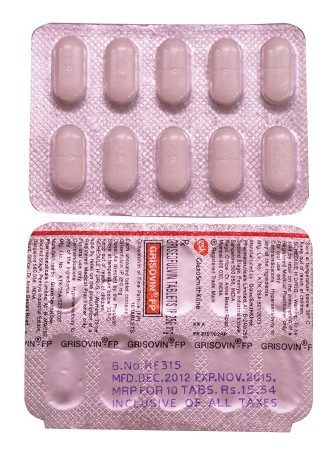
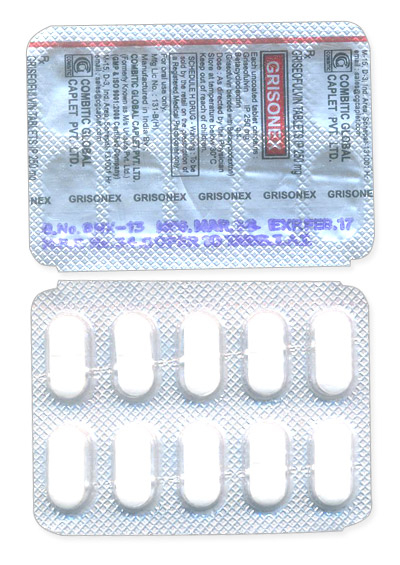
- Griseofulvin is taken by mouth as tablets, capsules, or oral suspension. It is commonly available in 125 mg, 250 mg, and 500 mg strengths, with suspensions often used for children.
- Griseofulvin does not work immediately; improvement is usually noticed after several days to a few weeks, depending on the type and severity of the fungal infection.
- The duration of action requires a full treatment course, usually 2–6 weeks for skin and scalp infections, and several months for nail infections. Treatment often continues at least 2 weeks after symptoms clear.
- Alcohol should be avoided or limited, as griseofulvin may cause a disulfiram-like reaction in some people and can also increase the risk of side effects, especially with liver problems.
- The most common side effects are headache, dizziness, nausea, vomiting, diarrhoea, and photosensitivity. Some people may also develop rash, fatigue, or mild stomach upset.
- Would you like to try griseofulvin without a prescription?
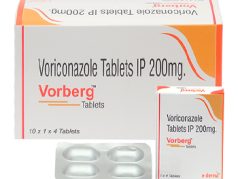
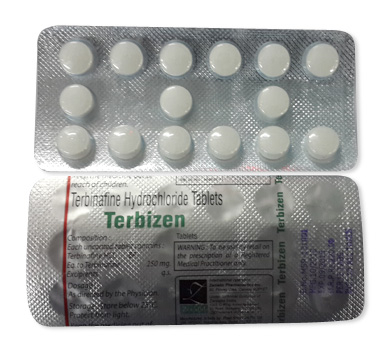
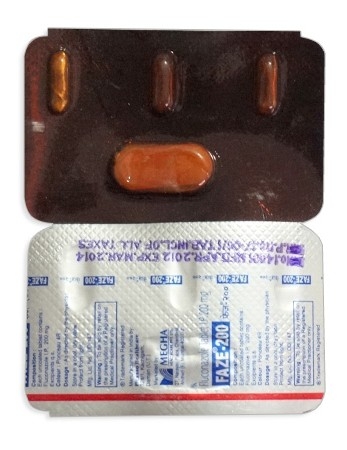
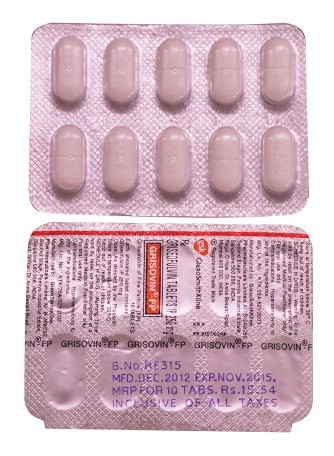
Basic Griseofulvin Information
- INN (International Nonproprietary Name): Griseofulvin.
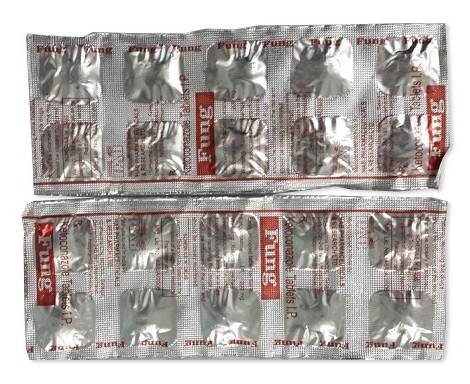
- Brand names available in Canada (English): Generic griseofulvin is more common in Canada than branded products; international names include Gris-PEG, Grisactin, Grifulvin V, Fulvicin P/G, Fulvicin-U/F, Grisovin, Fulcin, Likuden, Gris Peg, and Grisactin V.
- ATC Code: D01AA08, D01BA01.
- Forms & dosages: Tablets 125 mg, 250 mg, 500 mg; capsules 250 mg, 500 mg; suspension 125 mg/5 mL, 250 mg/5 mL.
- Manufacturers in Canada (English): Many generic suppliers exist internationally; Canadian stock is typically sourced through generic supply chains and pharmacy distributors.
- Registration status in Canada (English): Prescription antifungal status in major markets; Canadian access depends on product-specific DINs and provincial formulary listing.
- OTC / Rx classification: Prescription only in major markets.
Latest Research Highlights: What Canadian And International Data Say About Griseofulvin
Wondering whether griseofulvin still matters when newer antifungals are easier to take?
The short answer is yes, but the reason is more practical than trendy.
From 2022 to 2025, the research picture has stayed fairly consistent: griseofulvin remains an older, well-established antifungal with limited new Canadian trial activity, while international comparative data continue to support its role for dermatophyte infections, especially tinea capitis in children.
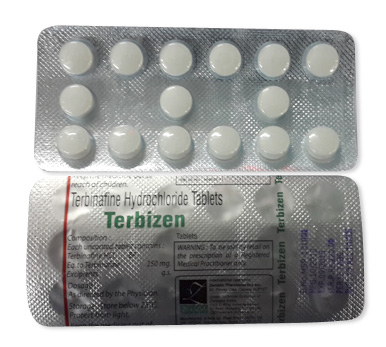
For nail infections, terbinafine often outperforms griseofulvin in convenience and sometimes in clinical response, which is why many clinicians now reach for terbinafine first when it is appropriate and covered.
Even so, griseofulvin still earns a place in practice because the oral suspension is useful for paediatric dosing, and acquisition costs can be lower than some newer options.
In Canadian family medicine and paediatrics, that balance of efficacy, formulation, and access still matters.
Health Canada-recognised prescription status and local pharmacy availability shape real-world use just as much as head-to-head antifungal comparison data do.
| Study Type | Population | Comparator | Main Finding | Clinical Relevance |
|---|---|---|---|---|
| Comparative reviews and trials | Children with tinea capitis | Terbinafine and other oral antifungals | Griseofulvin remains effective, especially where liquid dosing is useful | Supports ongoing tinea capitis research and paediatric use in Canada |
| International comparative data | Patients with nail infections | Terbinafine | Terbinafine often performs better for some nail infections | Helps prescribers choose the right antifungal regimen |
| Practice-focused evidence | General dermatophyte infections | Newer antifungals | Shorter courses and convenience favour newer agents | Explains why griseofulvin is used less often, but not abandoned |
Data highlight: tinea capitis treatment is usually measured in weeks, while onychomycosis can require months, with fingernail and toenail treatment durations differing substantially.
For Canadian patients, the evidence should be interpreted through access, formularies, and pharmacy availability, not efficacy alone.
Clinical Effectiveness In Canada: Approved Use, DINs, And Provincial Coverage
Is griseofulvin actually available in Canada, and who pays for it?
Griseofulvin is prescription-only, and Canadian access depends on the specific product, its DIN, and whether a provincial plan lists it.
Health Canada approval and provincial formulary status can differ, so a product may be available in one province but less straightforward to obtain in another.
Public drug plans such as Ontario Drug Benefit, BC PharmaCare, and RAMQ can strongly affect affordability.
Clinicians usually reserve it for dermatophyte infections such as tinea capitis and selected skin or nail infections when they judge it appropriate.
| Health Canada Status | Rx-Only Status | DIN | Provincial Coverage Considerations | Typical Patient Access Points |
|---|---|---|---|---|
| Prescription antifungal | Yes | Product-specific DIN required | ODB, BC PharmaCare, RAMQ, and other plans may vary | Community pharmacy, walk-in clinic, family physician |
In daily practice, many Canadian patients get griseofulvin through community pharmacies such as Shoppers Drug Mart, Rexall, Jean Coutu, and London Drugs.
Stock can vary by region, and rural patients may face longer waits or special-order needs.
That is why Canadian clinicians often balance evidence, formularies, and paediatric formulation needs before choosing a prescription antifungal.
Indications And Expanded Uses: Where Griseofulvin Fits In Canadian Practice
People searching for ringworm medicine often want a single answer, but the right antifungal depends on the body site and the age of the patient.
Griseofulvin is used for dermatophyte infections, especially tinea capitis, and it is also used for tinea corporis, tinea pedis, and tinea unguium.
It does not treat yeast or bacterial infections, so self-diagnosis can go wrong quickly.
In Canadian paediatrics, the oral suspension is often a practical choice because it supports weight-based dosing.
- Tinea capitis
- Ringworm of the scalp, common in children, often treated with an oral antifungal.
- Tinea corporis
- Ringworm of the body, usually causing circular, itchy patches on the skin.
- Tinea pedis
- Athlete’s foot, a fungal infection of the feet and between the toes.
- Onychomycosis
- Fungal infection of the nails, often slow to clear and frequently requiring longer treatment.
Some Canadian prescribers still choose griseofulvin when other antifungals are unsuitable, unavailable, or not covered.
For other cases, terbinafine is often preferred because of convenience and shorter courses.
That is why “griseofulvin for ringworm” and “tinea capitis treatment Canada” remain common searches from parents who want a child-friendly option rather than a one-size-fits-all medicine.
Composition And Brand Landscape: Generics, Packaging, And Canadian Naming Realities
Seen a pharmacy listing for Gris-PEG, then found a different name online and wondered if it was the same drug?
The INN is griseofulvin, but the brand landscape is scattered across countries and languages.
Canadian shoppers often see generic labelling more than branded products, and that can be confusing when comparing inventory with US or overseas pharmacies.
International names include Gris-PEG, Grisactin, Grifulvin V, Fulvicin P/G, Fulvicin-U/F, Grisovin, Fulcin, Likuden, and language variants such as Griseofulvine and Griseofulvina.
Canadian labels may also be bilingual, which is normal and often reassures patients once they understand the packaging.
| Form | Typical Strengths | Common Packaging |
|---|---|---|
| Tablets | 125 mg, 250 mg, 500 mg | Bottles or blister packs |
| Capsules | 250 mg, 500 mg | Bottles or blister packs |
| Suspension | 125 mg/5 mL, 250 mg/5 mL | 60 mL to 240 mL bottles |
The main marketed forms are tablets and oral suspension.
Injectable or standard topical systemic versions are not marketed for systemic infection control.
Cross-border brand names can look familiar but still differ in packaging, so online ordering should always be checked carefully against the product label and the prescription details.
Contraindications And Special Precautions: Who Should Avoid It Or Monitor Closely
Could this medicine be risky for someone with liver disease or pregnancy plans?
Yes, and those are the questions pharmacists should ask before dispensing griseofulvin.
The strongest safety issues are severe hepatic impairment, known hypersensitivity to griseofulvin or excipients, porphyria, and pregnancy.
Pregnancy avoidance matters because of teratogenic risk, and contraception is recommended for both men and women for up to 6 months after use.
Other groups need closer monitoring rather than automatic avoidance.
- People with mild to moderate liver disease.
- People with lupus erythematosus.
- People who drink alcohol regularly because of possible disulfiram-like reaction risk.
- Older adults with polypharmacy and complex follow-up needs.
- People who may have trouble getting timely monitoring or repeat assessment.
Data highlight: severe liver impairment and pregnancy are the key red flags, while photosensitivity, possible blood count changes, and urinary changes warrant counselling and follow-up.
Canadian pharmacists and prescribers should review comorbidities, pregnancy plans, and other medicines before the first dose.
That patient-centred approach is especially important when access to follow-up is uneven across regions.
Dosage Guidelines: Canadian-Style Dosing By Age And Infection Type
How much griseofulvin is used, and why does the answer change so much from child to adult?
Dosing depends on the infection, the patient’s age, and whether tablets or oral suspension are used.
Adults commonly receive 500 to 1000 mg daily in single or divided doses for tinea capitis, corporis, unguium, or pedis.
Children often receive weight-based dosing, commonly 10 to 20 mg/kg/day, and in some age groups 10 to 25 mg/kg/day is used.
The oral suspension is especially helpful for dose flexibility in younger children.
| Condition | Typical Adult Dose | Paediatric Dose | Duration |
|---|---|---|---|
| Tinea capitis | 500 to 1000 mg daily | 10 to 25 mg/kg/day | 2 to 6 weeks |
| Tinea corporis | 500 to 1000 mg daily | 10 to 25 mg/kg/day | 2 to 6 weeks |
| Tinea pedis | 500 to 1000 mg daily | 10 to 25 mg/kg/day | As directed, often weeks |
| Onychomycosis | 500 to 1000 mg daily | 10 to 25 mg/kg/day | 4 to 6 months for fingernails, 6 to 12 months for toenails |
Treatment often continues at least 2 weeks after clinical resolution for best results.
No major renal adjustment is usually required, but liver impairment needs caution or avoidance.
Canadian prescribers may align with local or institutional guidance, but the directions on the DIN-labelled product should always govern.
For patients asking about griseofulvin 500 mg uses, the answer is usually dermatophyte infection treatment, not a short-course fix.
Interaction Overview: Foods, Alcohol, And Drug Conflicts That Matter In Daily Canadian Life
One of the most common counselling questions is simple: can this be taken with a glass of wine or a weekend drink?
Alcohol is a concern because griseofulvin may cause a disulfiram-like reaction in some people.
Griseofulvin may also interact with other medicines through hepatic metabolism, and it can reduce the effectiveness of some therapies.
The exact interaction list should always be confirmed against current Canadian drug-interaction references when the prescription is filled.
- Alcohol and alcohol-containing products.
- Liver-affecting medicines.
- Pregnancy-related medicines and contraception planning.
- Drugs with narrow therapeutic windows.
- Supplements and over-the-counter products that a patient may not think to mention.
Patients often ask about food as well.
If the prescriber or pharmacist confirms that a fatty meal improves absorption for a specific product, that instruction should be followed exactly.
Community pharmacists are usually the first point of interaction screening in Canada, whether the prescription is picked up at a chain store or an independent pharmacy.
Cultural Perceptions And Patient Habits: What Canadian Patients Commonly Ask
Canadian patients tend to ask practical questions first: Will it work, is it covered, and how fast can I get it?
That makes sense when a child has scalp ringworm, a teenager has athlete’s foot, or a worker needs something that fits around school and shift schedules.
Many families compare griseofulvin with newer antifungals because they want fewer doses, fewer side effects, or a lower out-of-pocket cost.
Public drug coverage matters, but so does plain convenience.
In urban settings, access through Shoppers Drug Mart, Rexall, Jean Coutu, and London Drugs is often straightforward, while rural patients may rely on smaller pharmacies, mail order, or special-order supply.
- Will it work for ringworm?
- Is there a cheaper generic?
- Do I need a prescription?
- Can my child take the liquid form?
- Why is the label bilingual?
Canadian patients often trust the health system, but coverage gaps still create stress when a medication is not listed or has to be ordered.
That is why griseofulvin stays relevant in real-world pharmacy practice, especially when an oral suspension and familiar prescribing history help keep treatment on track.
Availability And Pricing Patterns: Canadian Pharmacies, Provincial Plans, And Us Comparisons
What matters most in Canada is often not the sticker price alone.
It is whether the product is locally stocked, whether the DIN is listed, and whether the provincial plan helps cover it.
Access can vary by province, pharmacy chain, and current supply.
Some products need ordering, especially in smaller communities or when a specific formulation is requested.
| Access Point | Coverage Considerations | Stock Likelihood | Patient Notes |
|---|---|---|---|
| Shoppers Drug Mart | Depends on province and plan | Usually good in urban areas | Often convenient for quick pickup |
| Rexall | Depends on province and plan | Variable | May need ordering for some strengths |
| Jean Coutu | RAMQ and other coverage rules matter | Variable | French and English labelling can both appear |
| London Drugs | Depends on provincial formulary | Good in many urban markets | Useful for compare-and-fill service |
| Independent or online Canadian pharmacy | Coverage and supply vary | Variable | Helpful when special ordering is needed |
US prices and brand-name availability can be very different from Canadian generic pricing, but importing medication can create regulatory and safety issues.
Canadian patients often look south of the border for lower prices, yet lawful, pharmacy-sourced options are the safer path.
Data highlight: in Canada, the main price question is often formulary status and local stock, not the list price alone.
For people searching “griseofulvin tablets price” or “Griseofulvin Canada price,” that practical reality usually matters more than online headline pricing.
Comparable Medicines And Patient Preferences: What Griseofulvin Is Compared Against
Why do so many people end up comparing griseofulvin with terbinafine?
Because terbinafine often means shorter courses, while griseofulvin may be more useful when a child needs a liquid medicine or when access and cost drive the decision.
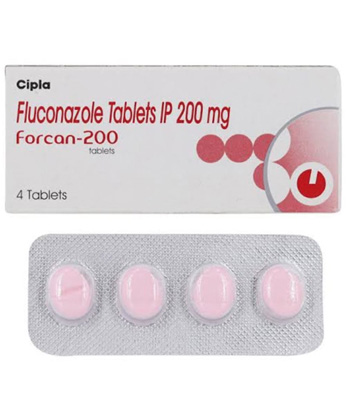
Other comparisons include itraconazole, fluconazole, and ketoconazole.
Systemic ketoconazole is now limited because of safety concerns, which is one reason prescribers choose alternatives carefully.
| Medicine | Condition Fit | Duration | Paediatric Use | Monitoring Burden | Cost/Access | Notable Safety Concern |
|---|---|---|---|---|---|---|
| Griseofulvin | Good for dermatophyte infections and tinea capitis | Longer | Useful because of suspension | Review liver risk and interactions | Often budget-friendly | Pregnancy, liver issues, photosensitivity |
| Terbinafine | Often preferred for some fungal infections | Shorter | Used selectively | Depends on case | Often covered, but varies | Liver monitoring concerns |
| Itraconazole | Alternative systemic antifungal | Variable | Selective use | Interaction review important | Coverage varies | Drug interactions |
| Fluconazole | Alternative for selected infections | Variable | Selective use | Interaction review important | Coverage varies | Liver and interaction issues |
| Ketoconazole | Limited systemic use | Not preferred | Rarely used systemically | High caution | Limited role | Safety concerns |
For Canadian families, the biggest preferences are often covered medications, simple dosing, and fewer pharmacy visits.
In that setting, griseofulvin can still make sense, especially when liquid formulation availability is the deciding factor.
Frequently Asked Questions
- Do I need a prescription for griseofulvin in Canada?
- Yes. Griseofulvin is prescription-only in major markets and Canadian access depends on the product and its DIN.
- How long does griseofulvin take to work for ringworm?
- It depends on the infection site. Tinea capitis and tinea corporis are often treated for 2 to 6 weeks, while nail infections can take months.
- Can children take the liquid form?
- Yes. The oral suspension is commonly used for children because it allows weight-based dosing and easier administration.
- Is griseofulvin covered by my drug plan?
- Coverage depends on the province, the specific product, and the plan. Public plans such as ODB, BC PharmaCare, and RAMQ can all affect the final cost.
- What should I do if I miss a dose?
- Take it as soon as remembered unless it is almost time for the next dose. Do not double up.
Guidelines For Proper Use: Pharmacist Advice And Follow-Up In Canada
Using griseofulvin correctly matters just as much as getting the prescription filled.
Store it at room temperature, between 15 and 30 degrees Celsius, away from moisture and sunlight.
Do not freeze suspensions, and shake the bottle well before each use.
Keep the original packaging so the product stays properly identified and stable.
If a dose is missed, take it as soon as remembered unless the next dose is close.
Do not double the dose.
In overdose, supportive care is used and poison centre or physician contact should happen right away, especially if nausea, vomiting, or dizziness occurs.
- Take exactly as prescribed.
- Finish the full course, even if the rash or scalp flaking improves early.
- Report rash, hives, severe sun sensitivity, or unusual symptoms promptly.
- Protect the skin from sunlight because photosensitivity can happen.
- Disclose pregnancy plans before starting treatment.
- Review all prescription, over-the-counter, and supplement use with the pharmacist.
Pharmacists at Canadian chains and independent pharmacies are key for adherence support and drug-interaction screening.
If symptoms persist, recur, or worsen, reassessment is important because dermatophyte infections can mimic other skin conditions.
Depending on the province, follow-up may happen through a family physician, a walk-in clinic, or pharmacy-based advice.
In our online pharmacy, griseofulvin is available without a prescription, with discreet delivery to Canada in 5 to 14 days.
Delivery Across Canada (English)
| City | Region | Delivery time |
|---|---|---|
| Toronto | Ontario | 5-7 days |
| Ottawa | Ontario | 5-7 days |
| Mississauga | Ontario | 5-7 days |
| Montreal | Quebec | 5-7 days |
| Quebec City | Quebec | 5-7 days |
| Vancouver | British Columbia | 5-7 days |
| Victoria | British Columbia | 5-7 days |
| Calgary | Alberta | 5-7 days |
| Edmonton | Alberta | 5-7 days |
| Winnipeg | Manitoba | 5-7 days |
| Halifax | Nova Scotia | 5-7 days |
| St. John's | Newfoundland and Labrador | 5-9 days |
| Saskatoon | Saskatchewan | 5-9 days |
| Regina | Saskatchewan | 5-9 days |
| Kelowna | British Columbia | 5-9 days |
For Canadian patients comparing griseofulvin latest research, practical access, and price, the bottom line is simple.
It remains a useful prescription antifungal Canada option when dermatophyte treatment, paediatric suspension, and provincial coverage all have to be weighed together.