Epival
Epival
- In Canada Epival (divalproex sodium) is available in pharmacies; although divalproex is generally a prescription-only medicine in major markets, some pharmacies or online suppliers may sell Epival without a prescription or receipt—check local laws and pharmacy policies.
- Epival is used to treat epilepsy (seizure control), acute mania and maintenance in bipolar disorder, and as migraine prophylaxis. It increases the inhibitory neurotransmitter GABA and stabilizes neuronal membranes by modulating voltage-gated sodium and T-type calcium channels.
- Usual adult dosing starts at about 10–15 mg/kg/day (divided doses) and is titrated as needed; for bipolar disorder typical starting dosing often around 750 mg/day (divided), and for migraine prevention typically 500 mg/day titrated upward; maximum doses may approach 60 mg/kg/day (or up to about 1 000 mg/day for some migraine regimens) depending on response and tolerability.
- Administered orally as delayed‑release tablets (125, 250, 500 mg), extended‑release tablets (250, 500 mg), sprinkle capsules (125 mg), or syrup/oral solution (e.g., 200 mg/5 mL).
- Immediate‑release formulations produce measurable plasma levels within about 1–4 hours; extended‑release forms are slower. Clinical effects for seizure control can begin within hours to days, while mood stabilization or migraine prevention may take days to weeks.
- Duration of action varies by formulation: immediate‑release elimination half‑life is roughly 9–16 hours and typically requires twice‑daily dosing, while extended‑release formulations provide more sustained levels and may allow once‑daily dosing (overall effect duration roughly 12–24 hours depending on formulation).
- Do not consume alcohol while taking Epival—alcohol increases sedation, impairs coordination, and may raise the risk of liver toxicity and other adverse effects.
- The most common side effects include gastrointestinal upset (nausea, vomiting, abdominal pain), neurological effects (drowsiness, dizziness, tremor), weight gain, hair loss, mild thrombocytopenia and elevated liver enzymes; routine monitoring (liver tests, platelets, drug levels) is recommended.
- Would you like to try “epival” without a prescription?
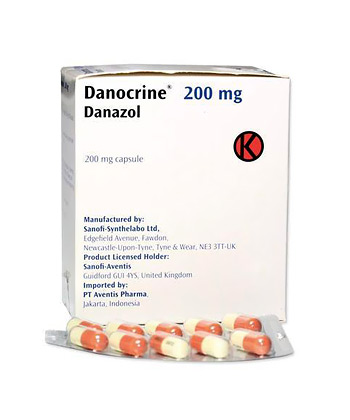
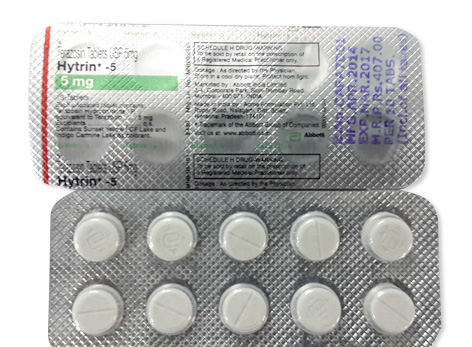
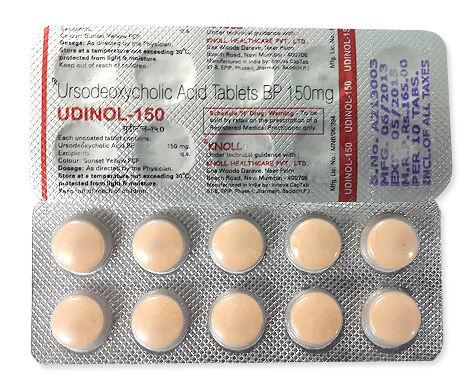
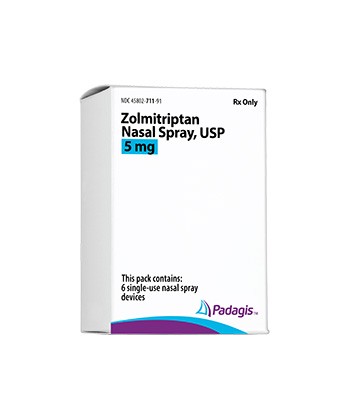
Basic Epival Information
- INN (International Nonproprietary Name): divalproex sodium
- Brand Names Available In Canada (English): Epival (tablets 125 mg, 250 mg, 500 mg); Depakote is also marketed in Canada (tablets 125 mg, 250 mg, 500 mg)
- ATC Code: N03AG01
- Forms & Dosages: Tablets (delayed‑release) 125 mg, 250 mg, 500 mg; Extended‑release tablets commonly 250 mg and 500 mg in international markets; capsules (sprinkle) 125 mg; syrup/oral solution 200 mg/5 mL (varies by brand)
- Manufacturers In Canada (English): Branded suppliers include Abbott (Depakote) and local generic manufacturers supply generic divalproex products
- Registration Status In Canada (English): Approved (prescription) — divalproex sodium is an Rx product in Canada
- OTC / Rx Classification: Prescription‑only medicine (Rx) in Canada and other major markets
Latest Research Highlights
What’s new in 2022–24 and why patients ask about Epival now?
Recent observational cohort studies and systematic reviews through 2022–24 reinforce divalproex sodium’s established seizure control and mood‑stabilizing effects.
Those same reports emphasise ongoing safety concerns, in particular teratogenicity, hepatic injury and thrombocytopenia.
Canadian hospital registries show continued use of therapeutic drug monitoring in epilepsy clinics to guide dosing and improve outcomes.
International randomized controlled trial meta‑analyses report efficacy comparable to valproic acid for some indications, but tolerability varies by study.
Post‑marketing pharmacovigilance continues to drive updated label warnings and risk‑management programmes in high‑income jurisdictions.
Practical data points clinicians use: ATC N03AG01; Epival tablets in Canada come in 125/250/500 mg strengths; typical epilepsy starting dose 10–15 mg/kg/day, titrating up to 60 mg/kg/day when needed.
- Top Safety Signals: teratogenic risk, hepatic enzyme elevations, thrombocytopenia.
- TDM Use: therapeutic drug monitoring remains common in specialist epilepsy clinics.
Clinical Effectiveness In Canada
Does Epival work for seizures and mood in Canadian practice?
Health Canada lists divalproex sodium as approved for epilepsy, bipolar disorder and migraine prevention, matching international approvals.
Clinical effectiveness in Canadian epilepsy clinics is supported by reductions in seizure frequency with standard titration and TDM‑guided dosing.
Typical starting doses in practice follow the 10–15 mg/kg/day range and can be increased toward 60 mg/kg/day for refractory cases.
Formulations available in Canada include Epival tablets 125/250/500 mg, which clinicians routinely prescribe and pharmacists dispense.
Patients and prescribers commonly check the DIN and provincial formulary coverage, since coverage differences across Ontario Drug Benefit, BC PharmaCare and RAMQ affect adherence and affordability.
Indications And Expanded Uses
What conditions is Epival used for, and when are off‑label uses considered?
Labelled indications include epilepsy (generalized and some focal seizures), mania in bipolar disorder, and migraine prophylaxis.
Standard adult starting doses: epilepsy 10–15 mg/kg/day titrating by response; bipolar often initiated around 750 mg/day in divided doses; migraine prevention commonly starts at 500 mg/day.
Maximum doses noted in practice include up to 60 mg/kg/day for epilepsy and up to 1000 mg/day for some migraine regimens.
Off‑label uses such as behavioural control or certain neuropathic pain presentations occur but require specialist oversight and careful counselling about reproductive risks.
In Canada, prescribers often document rationale for non‑formulary or off‑label uses to obtain provincial coverage for patients in need.
Composition And Brand Landscape
What’s in Epival and how does the market look in Canada?
The active ingredient is divalproex sodium, a valproate derivative classified under ATC code N03AG01 as a fatty acid‑derivative anticonvulsant.
Epival is marketed in Canada as tablets in 125 mg, 250 mg and 500 mg strengths.
Internationally, related brands include Depakote (USA/EU/Canada), Depakote ER (USA), Convulex (EU), Encorate chrono (India) and Depakine (EU).
Packaging varies: original brand boxes often use blister strips while generics commonly come in bottles or foil packs, which matters for portability and supply in remote communities.
- Counselling Points: confirm the DIN on the label, note whether the product is delayed‑release or extended‑release, and check packaging if travel or storage is a concern.
- Patient Tip: brand vs generic choices can reduce cost but may change packaging and pill appearance—pharmacists should reassure patients about bioequivalence when switching.
Contraindications And Special Precautions
Who should not take Epival, and what tests are needed first?
Absolute contraindications include known hypersensitivity to divalproex or valproates, severe hepatic impairment, urea cycle disorders and known mitochondrial disorders such as Alpers‑Huttenlocher syndrome.
Use for migraine prevention is contraindicated in pregnancy because of the high teratogenic risk associated with valproates.
Relative contraindications that require close monitoring include coagulopathies, a history of pancreatitis, renal impairment, advanced age and women of childbearing potential.
Baseline screening recommended before starting includes liver function tests, full blood count and a pregnancy test for women of childbearing potential.
- Pregnancy Note: valproate teratogenicity is a major safety signal; avoid use in pregnancy for migraine prevention and document counselling when used for epilepsy or bipolar disorder.
Dosage Guidelines
How is Epival dosed across ages and indications?
Adults with epilepsy typically start at 10–15 mg/kg/day and titrate to effect, with maximum doses reported up to 60 mg/kg/day.
Bipolar disorder regimens commonly begin near 750 mg/day divided into two or more doses, adjusted by response and tolerability.
Migraine prevention often starts at 500 mg/day and may be titrated toward 1000 mg/day where clinically indicated.
Children generally start at 10–15 mg/kg/day with careful upward titration, and infants under two years face a higher risk of liver toxicity and require specialist input.
Elderly patients usually begin at lower initial doses and require close monitoring for sedation and hepatic function.
- TDM And Targets: therapeutic drug monitoring is commonly used in specialist clinics to guide dosing adjustments and improve seizure control.
- Formulation Note: delayed‑release tablets 125/250/500 mg are standard in Canada; ER options are available internationally and may be used where adherence is a concern.
Interactions Overview
Which medications and substances interact with Epival?
Divalproex can increase plasma concentrations of lamotrigine, raising the risk of rash when both are started or up‑titrated.
It interacts with anticoagulants and can affect bleeding risk through effects on platelets and coagulation parameters.
Certain carbapenem antibiotics, such as meropenem, can cause a precipitous reduction in divalproex levels and loss of seizure control.
Alcohol and other CNS depressants potentiate sedation and increase fall risk, particularly in older adults.
- High‑Risk Interactions: carbapenems (loss of divalproex levels), lamotrigine (increased rash risk), anticoagulants (bleeding risk), and combined sedatives.
Cultural Perceptions And Patient Habits
What do Canadian patients worry about when they hear “Epival”?
Patient surveys and forum analyses show that many value seizure control and mood stability but express concerns about weight gain, cognitive slowing and teratogenic risk.
Online Canadian communities frequently discuss brand switching, cost, access to monitoring and the hassle of blood tests.
Access and adherence are shaped by provincial coverage uncertainty, with ODB, PharmaCare and RAMQ policies impacting whether patients can afford ongoing therapy.
Rural and Indigenous communities report barriers to regular lab monitoring and specialist follow‑up, making community pharmacists and telehealth essential supports.
Availability And Pricing Patterns
Where can Canadians get Epival and how does cost vary?
Epival tablets (125/250/500 mg) are available in Canada and are dispensed by community chains such as Shoppers Drug Mart, Rexall, Jean Coutu and London Drugs, with generics also present.
Provincial formularies list divalproex with varying criteria; many provinces require prior authorizations for non‑standard indications.
Retail prices and co‑pays vary across provinces and pharmacies, and some Canadians notice lower list prices in the United States, though importation and coverage rules limit cross‑border use.
Online Canadian pharmacies may ship nationwide but must display the DIN and bilingual labelling where required.
- Pharmacy Tips: check the DIN, confirm packaging for travel, and ask the pharmacist about generics and blister versus bottle formats if supply to remote communities is a concern.
In our online pharmacy, epival is available without a prescription, with discreet delivery to Canada (English) in 5‑14 days.
Comparable Medicines And Preferences
What are the main alternatives to Epival in Canada and when are they chosen?
Common therapeutic alternatives include valproic acid formulations, carbamazepine, lamotrigine, levetiracetam and topiramate.
Choice of agent depends on seizure type, comorbidities, reproductive plans and tolerability profiles.
Meta‑analyses and clinical practice favour levetiracetam for tolerability and lamotrigine for bipolar maintenance in women of childbearing potential due to lower teratogenic risk.
- Patient Checklist: consider pregnancy risk, monitoring burden, cost and provincial coverage when choosing an alternative.
- Adherence Tip: once‑daily ER formulations may be preferred in rural settings where monitoring and frequent pharmacy visits are harder to arrange.
FAQ
Q: Is Epival safe in pregnancy?
A: No — valproate products carry a high teratogenic risk and should be avoided for migraine prevention in pregnancy.
Q: How frequently are blood tests needed?
A: Baseline liver function tests and a full blood count before starting, then periodic monitoring as advised by the prescriber, with increased frequency after dose changes or if risk factors exist.
Q: Can I switch between Epival and Depakote?
A: Yes, but switching should be confirmed with the pharmacist to ensure equivalent dosing and appropriate monitoring for formulation differences.
Q: What if I miss a dose?
A: Take the missed dose when remembered unless the next dose is near; do not double up.
Q: Will provincial drug plans cover Epival?
A: Coverage varies by province; check ODB, BC PharmaCare or RAMQ and be prepared for prior authorization in some cases.
Guidelines For Proper Use
How to start Epival safely and what should pharmacists emphasise?
Start low and titrate to response, perform baseline LFTs and CBC, use therapeutic drug monitoring as indicated and provide strict contraception counselling for women of childbearing potential.
Provide written dosing schedules and bilingual information in Quebec when dispensing Epival tablets or generics.
Advise on storage at room temperature, 20–25°C, and warn about overdose signs such as somnolence and respiratory depression that require immediate emergency care.
- Before Starting Epival: confirm pregnancy status, check LFTs/CBC, review concomitant medications and ensure contraception counselling for women of childbearing potential.
- Missed Dose/Overdose: take missed dose if not close to the next dose; seek emergency care for overdose symptoms.
Delivery Across Canada (English)
| City | Region | Delivery Time |
|---|---|---|
| Toronto | Ontario | 5-7 days |
| Montreal | Quebec | 5-7 days |
| Vancouver | British Columbia | 5-7 days |
| Calgary | Alberta | 5-7 days |
| Edmonton | Alberta | 5-7 days |
| Ottawa | Ontario | 5-7 days |
| Winnipeg | Manitoba | 5-7 days |
| Halifax | Nova Scotia | 5-7 days |
| Quebec City | Quebec | 5-7 days |
| Victoria | British Columbia | 5-7 days |
| Saskatoon | Saskatchewan | 5-9 days |
| Regina | Saskatchewan | 5-9 days |
| St. John's | Newfoundland and Labrador | 5-9 days |