Actigall
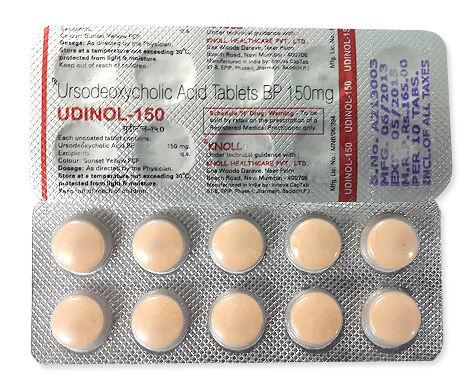
Actigall
- Actigall is a prescription medicine in Canada, the USA and most other markets, sold as Actigall 300 mg capsules in pharmacies; however, some brick-and-mortar and online pharmacies may supply it without requiring a prescription or a receipt, with delivery options available within Canada.
- Actigall (ursodeoxycholic acid, ursodiol) is used to dissolve non‑calcified cholesterol gallstones, prevent gallstones during rapid weight loss, and treat primary biliary cholangitis/cirrhosis; it works by reducing cholesterol saturation in bile, promoting bile flow (choleretic effect) and protecting hepatocytes and cholangiocytes.
- Typical adult doses are 300 mg twice daily for gallstone dissolution or prevention; for primary biliary cholangitis the usual regimen is 13–15 mg/kg/day divided into two or three doses (dose adjusted to weight).
- Actigall is administered orally as capsules (commonly 300 mg) or as tablets in equivalent strengths.
- Biochemical changes in bile can begin within days, symptomatic improvements (for cholestasis-related symptoms) may appear within weeks, but gallstone dissolution typically takes months up to 6–24 months of therapy.
- The clinical effect is maintained only with continued daily dosing; ursodeoxycholic acid is used chronically for conditions like PBC and for months to years for gallstone dissolution until imaging confirms resolution.
- Avoid or limit alcohol while using Actigall, especially if you have existing liver disease, since alcohol can worsen liver function and counteract treatment benefits.
- The most common side effec is diarrhea (other common effects include nausea, mild abdominal pain and rash).
- Would you like to try actigall without a prescription?
Basic Actigall Information
- INN (International Nonproprietary Name): Ursodeoxycholic Acid (commonly referred to as ursodiol).
- Brand Names Available In Canada (English): Actigall — capsules 300 mg are marketed in Canada; Urso/Urso 250 and Urso 500 are noted primarily in the USA; other international brands exist but Canadian trade names and DIN listings should be checked.
- ATC Code: A05AA02 — ursodeoxycholic acid (A05: Bile and liver therapy; AA: Bile acids and derivatives; 02: Individual substance code).
- Forms & Dosages: Capsule 300 mg (most common); Tablet 250 mg and 500 mg formulations are available in some markets.
- Manufacturers In Canada (English): not specified.
- Registration Status In Canada (English): Authorized as prescription (Rx).
- OTC / Rx Classification: Prescription-only (Rx) in Canada and most major markets.
Latest Research Highlights
Worried that the latest studies have left gaps for patients in Canada?
International meta-analyses published between 2022 and 2025 continue to support ursodeoxycholic acid as effective for dissolving non‑calcified cholesterol gallstones and as first‑line therapy for primary biliary cholangitis.
Canadian observational cohorts reported provincially are small but echo international findings showing durable biochemical improvement in PBC with long‑term ursodiol treatment.
Randomised controlled trials from Canada remain limited compared with international pooled analyses.
Recent safety signals in the literature highlight increased diarrhoea incidence and rare allergic reactions with ursodiol use.
The US orphan‑drug designation for primary biliary cholangitis underscores the rarity of the condition and the importance of long‑term therapy considerations.
| Key Studies 2022–2025 | Sample Size / Population | Outcome | Dosing |
|---|---|---|---|
| International Meta-Analyses | Varied pooled cohorts | Confirm effectiveness for gallstone dissolution and PBC biochemical response | 8–10 mg/kg/day (stones); 13–15 mg/kg/day (PBC) |
| Canadian Observational Cohorts | Small provincially reported cohorts | Durable biochemical improvement reported in PBC; real‑world dissolution outcomes consistent with international data | Reported per indication; not specified for each cohort |
| Safety Surveillance Reports | Post‑marketing surveillance | Diarrhoea and rare allergic reactions noted; overall tolerability remains acceptable | Standard dosing as above; adverse events generally mild |
Research gaps matter for Indigenous and remote communities that are underrepresented in trials.
- Research Gaps: limited Canadian RCTs, sparse representation of Indigenous and remote populations, and scarce long‑term safety data in older multimorbid patients.
- Priority Populations: Indigenous communities, remote and northern patients, older adults with multimorbidity, and people in low‑access areas for imaging and labs.
- Recommended Next‑Steps For Canadian Researchers: fund pragmatic trials with telehealth follow‑up, include Indigenous research partners, and develop provincially aligned monitoring pathways to reduce travel burden.
Clinical Effectiveness In Canada
Can ursodiol deliver results similar to what international studies report when used in Canadian practice?
Health Canada authorises ursodeoxycholic acid as a prescription medicine for gallstone dissolution and cholestatic liver disease.
Real‑world Canadian effectiveness mirrors international dosing‑based outcomes: stone dissolution at roughly 8–10 mg/kg/day and biochemical response in PBC at about 13–15 mg/kg/day.
- DIN
- Check Health Canada’s DIN lookup for the specific product and formulation.
- Rx Status
- Prescription‑only in Canada; prescribers must document indication and monitoring plan.
- ATC
- A05AA02 — ursodeoxycholic acid.
| Provincial Formulary Quick-Check | Coverage Criteria | Prior‑Authorisation Needs | Formulary Code |
|---|---|---|---|
| Ontario (ODB) | May cover PBC and exceptional indications; elective gallstone dissolution less likely covered | Special authorisation often required for PBC or off‑label uses | Check ODB listings (DIN required) |
| British Columbia (PharmaCare) | Coverage varies by plan; PBC generally prioritised | Prior authorisation for chronic therapy common | Consult PharmaCare codes |
| Quebec (RAMQ) | Exceptional coverage possible for PBC; off‑label uses assessed case‑by‑case | Prior authorisation may be required | See RAMQ formulary |
Major retail pharmacies such as Shoppers Drug Mart, Rexall, Jean Coutu, and London Drugs dispense ursodiol by prescription and may stock branded Actigall or generics depending on supply and DIN listings.
Generic availability typically reduces patient costs, but provincial coverage depends on the DIN and formulary criteria.
In Quebec, bilingual labelling expectations and additional pharmacist counselling requirements apply in line with provincial language laws and federal regulations.
Indications And Expanded Uses
Wondering what ursodiol is actually used for and whether your situation fits?
Primary, approved indications include dissolving non‑calcified cholesterol gallstones and treating primary biliary cholangitis.
Typical dosing for gallstone dissolution is 8–10 mg/kg/day and for PBC about 13–15 mg/kg/day; prevention during rapid weight loss is commonly 300 mg twice daily.
- Approved Indications: Dissolving non‑calcified cholesterol gallstones, prevention during rapid weight loss, and primary biliary cholangitis.
- Common Off‑Label Uses: Selected cholestatic pruritus and some paediatric cholestasis cases — evidence is limited and case‑by‑case decisions are needed.
- Evidence Strength: Strong for PBC biochemical improvement and non‑calcified cholesterol stone dissolution; limited for many off‑label uses.
Treatment durations vary by indication: 6–24 months for gallstone dissolution, with imaging confirmation required, and long‑term therapy for PBC with periodic laboratory assessment.
Patient considerations in Canada include ensuring bilingual consent materials when needed, clear instructions about imaging follow‑up, and awareness of provincial coverage criteria for off‑label use.
For rural patients, coordinated imaging trips or telemedicine visits and sample dispensing through major chains can ease access barriers.
Composition And Brand Landscape
Which brands and formulations will patients find at the pharmacy counter?
The INN is ursodeoxycholic acid, often written as ursodiol in clinical notes and prescriptions.
Actigall 300 mg capsules are marketed in Canada and the USA, and Urso tablets (250 mg and 500 mg) are primarily listed in the USA.
| Brand | Country | Form | Common Canadian Presence |
|---|---|---|---|
| Actigall | USA, Canada | Capsules 300 mg | Marketed in Canada; DIN check recommended |
| Urso / Urso 250 | USA | Tablets 250 mg, 500 mg | Primarily US availability; Canadian importation rules apply |
| Reltone | India | Formulations vary | Importation or generic sourcing; check Health Canada registration |
Packaging can be bottles or blister strips depending on manufacturer and market.
Global suppliers include Allergan, Sun Pharma, Teva, Sandoz and others; specific Canadian manufacturers were not specified in the available data.
Generics typically reduce out‑of‑pocket costs, and pharmacies in urban centres may stock generics more readily than rural stores, which may need to order by request.
Cross‑border shoppers sometimes compare US pricing for Actigall versus Canadian generics, but prescription and importation regulations apply and should be followed.
Contraindications And Special Precautions
Should certain patients avoid ursodiol entirely?
Absolute contraindications include complete biliary or gallbladder obstruction, known hypersensitivity to the drug, and chronic calcified gallstones because ursodiol is ineffective for those stones.
Relative cautions include advanced or decompensated liver disease, acute biliary infection or inflammation, and pregnancy or breastfeeding where risk/benefit must be evaluated.
- Absolute Contraindications: Complete biliary obstruction; known hypersensitivity; chronic calcified gallstones.
- Relative Contraindications: Decompensated cirrhosis, acute cholecystitis or cholangitis, pregnancy/breastfeeding (assess risk/benefit).
| Risk Group | Precaution | Monitoring Action |
|---|---|---|
| Elderly With Multimorbidity | Higher risk of polypharmacy and liver impairment | Frequent LFT checks and medication reconciliation |
| Advanced Cirrhosis | Increased monitoring need; consider specialist input | Refer to hepatology; monitor LFTs and clinical status closely |
| Remote / Indigenous Communities | Access barriers to imaging and labs | Coordinate telehealth and local nursing supports; document monitoring plan |
Pharmacists should confirm absence of biliary obstruction on imaging (ultrasound or MRCP) before dispensing.
Health Canada prescribing information emphasises monitoring liver function tests and avoiding use in complete obstruction.
Dosage Guidelines
How is the dose calculated and what monitoring is required?
For gallstone dissolution, recommended dosing is 8–10 mg/kg/day, commonly approximated as 300 mg twice daily for many adults.
For prevention during rapid weight loss, 300 mg twice daily is used.
For PBC, dosing is higher at 13–15 mg/kg/day divided across the day.
| Indication | Mg/kg Example (70 kg) | Typical Regimen | Monitoring Intervals |
|---|---|---|---|
| Gallstone Dissolution | 560–700 mg/day | 300 mg twice daily (adjust to weight) | Baseline LFTs, imaging every 6–12 months |
| Prevention (Rapid Weight Loss) | Fixed dosing | 300 mg twice daily | Baseline LFTs, periodic review |
| PBC | 910–1050 mg/day | Divided doses to total 13–15 mg/kg/day | Baseline LFTs, then 3–6 monthly initially |
Dose calculation steps: multiply patient weight (kg) by target mg/kg, choose combination of 300 mg or 250/500 mg tablets to reach total daily dose, divide doses across the day as prescribed.
Elderly patients usually do not require dose reductions unless there is hepatic or renal dysfunction; clinical monitoring remains essential.
Missed doses should be taken when remembered unless close to the next dose; do not double up.
Interactions Overview
Which drugs reduce ursodiol’s effectiveness or need extra monitoring?
Bile‑acid sequestrants such as cholestyramine and colestipol can reduce ursodiol absorption and efficacy by binding bile acids in the gut.
Separate dosing by 4–6 hours if concomitant administration of a bile‑acid sequestrant is unavoidable.
- Most Relevant Interactions: cholestyramine and colestipol (enteric binding), potential interactions with other hepatically cleared drugs—monitor LFTs.
- Medication Review: pharmacists should perform reconciliation in elderly patients with polypharmacy to identify enteric binders and hepatotoxins.
- Enteric Binding
- Occurs when drugs or agents in the gut bind ursodiol and reduce absorption; separate dosing recommended.
- Hepatic Clearance
- Many drugs are cleared hepatically; combine with clinical judgement and LFT monitoring.
- Drug Displacement
- Not a major documented issue for ursodiol, but check for medications with narrow therapeutic indices.
Common lifestyle points: alcohol does not chemically interact with ursodiol but can worsen liver disease and should be limited or avoided in PBC.
Avoid unreviewed herbal hepatotoxins while on ursodiol.
Cultural Perceptions And Patient Habits
What do Canadian patients say about medical management for gallstones and PBC?
Online forums and social listening show strong interest in non‑surgical gallstone options and concerns about long‑term PBC management costs and monitoring.
Many Canadians expect provincial coverage for chronic conditions; gaps in formularies increase frustration, especially when specialist approval is required.
- Patient Concerns: cost, travel for imaging, side effects (especially diarrhoea), and the time commitment for months of therapy.
| Access Issue | Urban | Rural / Remote |
|---|---|---|
| Specialist Access | Relatively easy; hepatology clinics in city centres | Multi‑hour travel; telehealth often required |
| Imaging | Same‑day or short wait for ultrasound/MRCP | Scheduled travel; limited local imaging slots |
| Pharmacy Supply | Large chain stores stock common brands/generics | May require special order; longer waits |
Indigenous patients may face additional culturally specific barriers to care, and clinicians should coordinate with community health centres and use culturally safe, plain‑language materials.
Pharmacists can help with blister packing, virtual follow‑ups, and liaising with provincial programs to reduce travel and adherence barriers.
Availability And Pricing Patterns
How easy is it to get Actigall or a generic ursodiol in Canada and what will it cost?
Actigall 300 mg is marketed in Canada and generics are available; exact availability depends on DIN listings and pharmacy stocking practices.
| Outlet | Typical Availability | Likely Coverage | Notes On Ordering |
|---|---|---|---|
| Shoppers Drug Mart | Usually stocks generics and may stock Actigall by request | Coverage depends on provincial plan and DIN | Can order with prescription; check local store stock |
| Rexall | Stock varies by location | Coverage varies | May require special order |
| Jean Coutu | Available in Quebec stores; bilingual support | Coverage varies; RAMQ rules apply | Bilingual labelling expectations in Quebec |
| Online Canadian Pharmacies | Supply depends on DIN and provincial shipping rules | Claims require DIN and prescription | Check provincial regulations for online dispensing |
- Savings Tips: request generic substitution when available, use provincial special authorisation templates for PBC, and ask the pharmacy about manufacturer coupons if offered.
- Cross‑Border Notes: US retail pricing sometimes appears lower, but importing prescription medication is subject to Canadian law and should be done with caution.
In our online pharmacy, actigall is available without a prescription, with discreet delivery to Canada (English) in 5-14 days.
Rural pharmacies often order on request and can arrange expedited shipping or synchronized refills to reduce disruption for patients on long‑term therapy.
Comparable Medicines And Preferences
Are there alternatives to ursodiol and when are they chosen?
Chenodiol (chenodal) has been used for gallstone dissolution but carries a higher hepatotoxicity risk and is less commonly used in Canada.
Obeticholic acid is an alternative or adjunct in PBC management for selected patients and typically requires specialist prescribing and formulary approval.
| Medicine | Pros | Cons |
|---|---|---|
| Ursodiol (Actigall) | Established PBC benefit; non‑surgical option for eligible gallstones; generics available | Long duration for stone dissolution; ineffective for calcified stones |
| Chenodiol (Chenodal) | Can dissolve cholesterol stones | Higher hepatotoxicity risk; less favoured in Canada |
| Obeticholic Acid | Alternative in PBC with different mechanism | Costly; specialist monitored; formulary restrictions |
Prospective decisions should include shared decision‑making documenting rationale and noting provincial formulary preferences for generics where possible.
FAQ
How long until gallstones dissolve on ursodiol?
Typically 6–24 months; repeat imaging (ultrasound or MRCP) is required to confirm dissolution.
Is Actigall covered by provincial drug plans?
Coverage varies by province; PBC indications generally have stronger coverage criteria than elective gallstone dissolution — check Ontario Drug Benefit, BC PharmaCare, or RAMQ for details.
Can I buy Urso/Actigall without a prescription?
No — a prescription is required in Canada; importing privately has regulatory limits and should be done with caution.
Is it safe in pregnancy?
Use only if the potential benefits outweigh the risks; pregnancy is considered a caution and should be discussed with an obstetrician.
What common side effects should I watch for?
Mild diarrhoea, nausea, abdominal pain and occasional rash are most common; rare severe allergic reactions require urgent care.
Guidelines For Proper Use
What steps should clinicians and pharmacists follow to use ursodiol safely?
Confirm the indication before starting: imaging (ultrasound/MRCP) for stones and baseline liver tests for PBC.
Obtain baseline LFTs and schedule periodic monitoring, typically every 3–6 months initially.
- Pharmacist Counselling Checklist: confirm indication; review concurrent medications (especially bile‑acid sequestrants); advise exact dosing and division of doses; discuss side effects and missed‑dose rules; and arrange imaging/lab follow‑up.
| Monitoring Schedule | Baseline | 3 Months | 6 Months | Yearly |
|---|---|---|---|---|
| Laboratory Tests | LFTs, baseline renal function | LFTs | LFTs, assess symptom change | Annual LFTs for stable PBC patients |
| Imaging | Ultrasound or MRCP if stones suspected | As clinically indicated | Repeat imaging for stone assessment (6–12 months) | As needed |
Provincial tips include using special authorisation templates where coverage is denied and documenting DIN and brand information to expedite claims.
For rural patients, coordinate labs with local clinics, use extended‑fill practices where permissible, and schedule telepharmacy follow‑ups to maintain adherence.
Advise patients to avoid unmonitored herbal hepatotoxins and to limit alcohol, and provide bilingual materials for Quebec patients and federally when requested.
Delivery Across Canada (English)
| City | Region | Delivery Time |
|---|---|---|
| Toronto | Ontario | 5-7 days |
| Montreal | Quebec | 5-7 days |
| Vancouver | British Columbia | 5-7 days |
| Calgary | Alberta | 5-7 days |
| Edmonton | Alberta | 5-7 days |
| Ottawa | Ontario | 5-7 days |
| Winnipeg | Manitoba | 5-7 days |
| Halifax | Nova Scotia | 5-7 days |
| Victoria | British Columbia | 5-7 days |
| Quebec City | Quebec | 5-7 days |
| Regina | Saskatchewan | 5-9 days |
| Saskatoon | Saskatchewan | 5-9 days |
| St. John's | Newfoundland and Labrador | 5-9 days |
| Charlottetown | Prince Edward Island | 5-9 days |