
Imodium
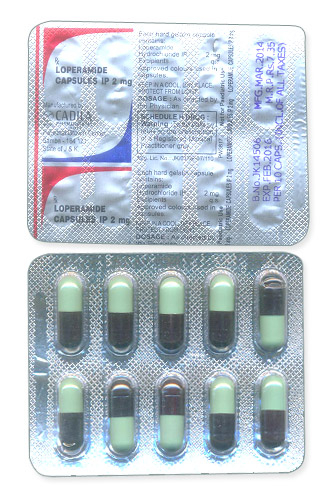
Imodium
- In our pharmacy, you can buy imodium without a prescription; it is available over-the-counter in Canada and in pharmacies and online in most countries.
- Imodium is used for acute nonspecific diarrhea, some forms of chronic diarrhea and to reduce ileostomy discharge; it works peripherally as a μ‑opioid receptor agonist in the gut to slow intestinal motility and increase fluid absorption.
- The usual dose for adults is 4 mg initially, then 2 mg after each loose stool (maximum 16 mg/day); pediatric dosing is reduced (commonly 2 mg initially then 1 mg after loose stool, max ~6 mg/day) and it is contraindicated under 2 years of age.
- Administration is oral: tablets and capsules (2 mg), oral solution (1 mg/5 mL) and orally disintegrating films (2 mg) are commonly used.
- Onset of effect is usually within about 1 hour (may take up to 2 hours in some people).
- Duration of action can last up to 24 hours after dosing; dosing frequency is guided by symptoms and maximum daily limits.
- Avoid or limit alcohol while taking imodium, as alcohol can worsen dehydration, dizziness and other adverse effects.
- The most common side effect is constipation; other common effects include abdominal cramps and nausea (rare but serious risks include severe constipation, toxic megacolon and cardiac arrhythmias in overdose).
- Would you like to try imodium without a prescription?
Loperamide (Imodium) Guide For Canada
Basic Imodium Information
- INN (International Nonproprietary Name): Loperamide
- Brand Names Available In Canada (English): Imodium; generics by Perrigo, Teva, Apotex (brands and manufacturer availability may vary by retailer)
- ATC Code: A07DA03
- Forms & Dosages: Tablets 2 mg; Capsules 2 mg; Oral Solution 1 mg/5 mL; Orally Disintegrating Film 2 mg
- Manufacturers In Canada (English): Johnson & Johnson (Imodium), plus generic suppliers such as Perrigo, Teva, Apotex (local distribution varies)
- Registration Status In Canada (English): Not specified
- OTC / Rx Classification: OTC in most settings for adults and children above local age cutoffs; prescription status may apply for some pediatric forms or high‑dose preparations
Latest Research Highlights
People often ask whether loperamide still works and whether new safety warnings change how it is used.
Loperamide remains the standard symptomatic antidiarrheal used worldwide for acute non‑specific diarrhoea and for reducing stool frequency in some chronic diarrhoea and ileostomy patients.
Regulatory agencies and post‑marketing data have emphasised rare but serious cardiac events when loperamide is taken in supratherapeutic doses or with interacting medicines that raise systemic exposure.
Recent advisories recommend limiting unit‑dose blister packaging as a harm‑reduction measure to reduce misuse and overdose risk.
Canadian randomised trial data are limited compared with European datasets, and much Canadian evidence comes from real‑world pharmacoepidemiology and extrapolation of international clinical trials.
Practical research trends favour short courses (usually 48 hours or less) for travellers’ and acute cases, while specialist‑supervised use is recommended for chronic IBS‑D patients.
| Item | Key Finding / Status | Notes |
|---|---|---|
| Effectiveness For Acute Diarrhoea | Supported | Rapid reduction in stool frequency; used as symptomatic relief |
| Chronic Diarrhoea / Ileostomy | Supported Under Supervision | Adjunctive use to reduce output; titrate to effect |
| Cardiac Safety | Safety Signal | Rare arrhythmias and QT issues with overdose or elevated exposure |
| Packaging Advisories | Regulatory Recommendation | Restrict unit‑dose blister sizes to reduce overdose risk |
| Canadian Trial Data | Not Specified | Most Canadian evidence is observational or extrapolated from international trials |
Packaging in Canada typically follows common formats of 2 mg tablets and 1 mg/5 mL oral solution, and Canadian patients often value bilingual safety labelling and pharmacist counselling when buying travel packs.
Clinical Effectiveness In Canada
Canadians often want a clear answer: does imodium work the way older adverts claimed?
Loperamide is effective for symptomatic relief of acute non‑specific diarrhoea and for reducing stool frequency in selected chronic diarrhoea or ileostomy patients.
Health Canada classifies loperamide for over‑the‑counter use in many adult formulations, and consumers should check the Drug Identification Number (DIN) on packaging before purchase.
Clinical practice in Canada aligns with international guidelines that recommend rapid symptom control for acute diarrhoea and specialist supervision for chronic use such as IBS‑D.
Standard adult dosing is 4 mg initially then 2 mg after each loose stool with a maximum of 16 mg per day.
Pediatric dosing is reduced and loperamide is contraindicated in children under two years of age.
- Indication
- Acute Non‑Specific Diarrhoea
- Level Of Evidence
- Supported By International Guidelines; Canadian RCT Data Limited
- Indication
- Chronic Diarrhoea / IBS‑D
- Level Of Evidence
- Supported For Symptom Control Under Specialist Supervision
| Indication | Evidence Grade |
|---|---|
| Acute Non‑Specific Diarrhoea | High (symptomatic relief) |
| Chronic Diarrhoea / IBS‑D | Moderate (specialist‑supervised) |
| Ileostomy Output Reduction | Moderate (clinical use, titration) |
Provincial formularies generally treat loperamide as an OTC medicine and do not list it for routine public coverage, except in select chronic or hospital situations; patients on provincial plans should check exceptional listings.
Community pharmacists at Shoppers Drug Mart, Rexall, London Drugs and independent rural pharmacies are the main access points for purchasing imodium and obtaining bilingual counselling where required.
Indications And Expanded Uses
The most common question is whether imodium is suitable for every kind of diarrhoea.
- Approved Uses: Acute non‑specific diarrhoea in adults and older children; chronic diarrhoea management in adults including IBS‑D; reduction of ileostomy output.
- Off‑Label / Specialist Uses: Short‑term adjunctive control during selected inflammatory bowel disease flares under GI supervision; symptomatic travel use as part of a first‑aid strategy.
Loperamide should not be used for invasive bacterial enteritis, pseudomembranous colitis, or unexplained abdominal pain with fever.
Pediatric use is age‑restricted with contraindication under two years of age and lower maximum doses in older children.
- If a patient has blood in stools, high fever, or severe dehydration, advise immediate medical assessment rather than giving imodium.
| Approved | Off‑Label / Specialist |
|---|---|
| Acute non‑specific diarrhoea | Short‑term adjunct in IBD flares under supervision |
| Chronic diarrhoea in adults (including IBS‑D) | Symptomatic travel kit use |
| Ileostomy output reduction | Not for invasive bacterial enteritis or C. difficile |
Pharmacists should flag red flags such as bloody diarrhoea, persistent fever, or signs of severe dehydration and refer the patient for urgent care when present.
Composition And Brand Landscape
People often ask whether they should buy Imodium or a generic when shopping in Canada.
The active ingredient is loperamide, commonly supplied as loperamide hydrochloride in many generics.
Common pharmaceutical forms are 2 mg tablets or capsules and a 1 mg/5 mL oral solution.
| Brand Name | Manufacturer | Form(s) Available In Canada | Notes On DIN / Labelling |
|---|---|---|---|
| Imodium | Johnson & Johnson | Tablets 2 mg, Capsules 2 mg, Oral Solution 1 mg/5 mL | Widely stocked; check DIN on package |
| Generic Loperamide | Perrigo, Teva, Apotex | Tablets 2 mg; Oral Solution 1 mg/5 mL | Lower cost; check product DIN and bilingual labelling |
| Loperamid‑ratiopharm (imported) | ratiopharm | Films/2 mg (availability varies) | Imported formulations may differ in packaging |
Packaging often comes as blister packs of 6, 12, or 24 tablets or capsules, and regulators have recommended limiting unit‑dose blister sizes to reduce overdose risk.
Generics usually cost less than the Imodium brand and are commonly chosen to reduce out‑of‑pocket expense.
Contraindications And Special Precautions
Who should not take imodium is an important safety question.
- Absolute Contraindications: Children under two years of age.
- Absolute Contraindications: Known hypersensitivity to loperamide or any excipient in the product.
- Absolute Contraindications: Acute dysentery with bloody stools and high fever.
- Absolute Contraindications: Acute ulcerative colitis and suspected invasive bacterial enterocolitis (Salmonella, Shigella, Campylobacter).
- Absolute Contraindications: Pseudomembranous colitis (C. difficile) and unexplained abdominal pain without diarrhoea.
- Relative Precautions: Hepatic impairment — use lower end of dosing range and monitor.
- Relative Precautions: Elderly patients — higher risk of constipation, paralytic ileus and complications.
- Relative Precautions: Cardiac conduction abnormalities or concurrent QT‑prolonging drugs — avoid when possible.
- Relative Precautions: Concomitant strong CYP3A4, CYP2C8 or P‑glycoprotein inhibitors — may raise systemic levels and risk.
| Who To Refer Urgently | Why |
|---|---|
| Children Under 2 Years | Contraindicated; risk of respiratory depression and cardiac effects |
| Patients With Bloody Diarrhoea Or High Fever | Possible invasive infection; requires medical assessment |
| Patients Showing Severe Dehydration | Need urgent rehydration and potential IV therapy |
Data highlights include overdose cardiac and CNS risks, rare toxic megacolon in severe colitis, and arrhythmia risk with supratherapeutic exposure.
High‑risk Canadian groups that may need extra attention include seniors in long‑term care and patients in remote Indigenous communities with limited acute care access.
Dosage Guidelines
Patients frequently ask exactly how much to take and when to stop.
Standard Adult Dosing: 4 mg initially, then 2 mg after each loose stool, maximum 16 mg per day.
Paediatric Dosing: Reduced dosing (for example 2 mg initially then 1 mg after each loose stool) with a typical maximum around 6 mg/day depending on age and weight; contraindicated under two years.
For chronic IBS‑D or ileostomy management, start low (for example 4 mg/day) and titrate under physician supervision up to 16 mg/day if needed.
| Patient Group | Typical Initial Dose | Max Daily Dose |
|---|---|---|
| Adult | 4 mg initially, then 2 mg per loose stool | 16 mg/day |
| Child (Age ≥2) | 2 mg initially, then 1 mg per loose stool | ~6 mg/day (age/weight dependent) |
| Elderly | As adult, but monitor for constipation | 16 mg/day with caution |
| Liver Impairment | Use lower end of dosing range | Adjust clinically |
Missed Dose: Take when remembered and do not double the next dose.
Overdose: Seek immediate medical attention because of the risk of cardiac arrhythmia and respiratory depression.
Pharmacist Counselling Points: Stop if no improvement in 48 hours or if fever or bloody stool develops, and record the DIN and lot when reporting adverse events to Health Canada.
Interactions Overview
People often worry about whether imodium will interact with their regular medicines.
Loperamide is a substrate for P‑glycoprotein and is metabolised in part by CYP enzymes, so inhibitors of those pathways can increase plasma exposure.
- Major Interaction Categories: Strong CYP3A4 inhibitors, strong CYP2C8 inhibitors, and strong P‑glycoprotein inhibitors can raise loperamide levels and therefore increase CNS and cardiac risk.
- QT‑Prolonging Drugs: Concurrent use with medicines that prolong QT interval raises arrhythmia risk and should be reviewed.
- Avoid Combining With Alcohol In Overdose Situations: Alcohol may worsen CNS depression in overdose and can increase dehydration risk in diarrhoea.
Common examples to mention when counselling include some azole antifungals, certain macrolide antibiotics, and select antiarrhythmics; always check local monographs for specifics.
- Major
- Strong inhibitors of CYP3A4/CYP2C8/P‑gp and QT‑prolonging drugs.
- Moderate
- Drugs with partial inhibition or interacting metabolic pathways.
- Minor
- Drugs with minimal expected effect on loperamide exposure.
Pharmacist Checklist: Review full medication list, including OTC and herbal products, and consult provincial e‑health records when available to verify interactions before recommending imodium.
Cultural Perceptions And Patient Habits
Many Canadian patients keep imodium in travel kits and expect quick symptom relief.
Online Canadian forums frequently recommend brief OTC use and stress the value of pharmacist advice before combining medicines.
Bilingual labelling is important for patients in Quebec and is widely expected on packaged products sold federally.
Indigenous communities and some remote populations often prefer in‑person counselling and culturally safe communication when medicines are supplied.
Urban Canadians have easier access to extended‑hour pharmacy chains and online refill services, while remote areas rely more on community health centres and may experience delays getting oral solutions or specific pediatric formulations.
| Access Point | Typical Availability |
|---|---|
| Urban Chain Pharmacies (Shoppers, Rexall, London Drugs) | High availability; bilingual info on request |
| Independent / Rural Pharmacies | Good counselling; occasional stock limits for liquids |
| Community Health Centres / Remote Clinics | Stocked selectively; may supply bulk for clinics |
Common Patient Questions Include When To Stop, Whether To Use With Probiotics, And If The Product Is Safe For Children; pharmacists should address these clearly and document advice.
Availability And Pricing Patterns
Where to buy imodium and how much it costs are frequent concerns.
Loperamide products are sold OTC at national chains such as Shoppers Drug Mart, Rexall, London Drugs, Quebec’s Jean Coutu, independent pharmacies, and licensed online Canadian pharmacies.
Common formats are 2 mg tablets/capsules and 1 mg/5 mL oral solution, with blister sizes often 6, 12 or 24 units.
Generics are typically cheaper than Imodium brand products, which command a premium in many stores.
In our online pharmacy, imodium is available without a prescription, with discreet delivery to Canada (English) in 5-14 days.
| Channel | Typical Price Pattern |
|---|---|
| Brand (Imodium) | Higher price; widely available in-store |
| Generic (Perrigo, Teva, Apotex) | Lower price; equivalent active ingredient |
| Online Licensed Pharmacies | Competitive pricing; discreet shipping |
Provincial reimbursement for short‑term OTC use is uncommon, but exceptions exist for chronic cases or specific criteria on programs such as Ontario Drug Benefit, BC PharmaCare and RAMQ.
Cross‑border purchases may appear cheaper but differ in formulation, packaging and regulatory protections, and returns or claims can be complicated.
Comparable Medicines And Preferences
What are safe alternatives to imodium when it is not appropriate?
| Medicine | Pros | Cons |
|---|---|---|
| Loperamide | Rapid motility slowing; OTC; multiple forms | Not suitable for invasive infections; overdose cardiac risk |
| Diphenoxylate/Atropine (Lomotil) | Effective antidiarrheal, Rx option | Prescription required; opioid‑related effects |
| Bismuth Subsalicylate (Pepto‑Bismol) | OTC; useful for traveller's diarrhoea; antacid action | Not for children with viral illness due to salicylate concerns; tastes strong |
| Racecadotril | Antisecretory effect (where available) | Availability and Rx/OTC status vary by market |
| Probiotics | Supportive therapy; may shorten some diarrhoeal episodes | Variable evidence by strain and product |
Practical Choice Considerations Include Age, Suspected Cause (Infectious Vs Functional), Cardiac Or Hepatic Comorbidities, And Provincial Coverage.
Many Canadian travellers combine loperamide with oral rehydration solutions and probiotics, and pharmacists should confirm expectations on onset and limits of symptomatic therapy.
Frequently Asked Questions
Can I give Imodium to my child?
Only follow age and weight guidance on the product monograph and seek pharmacist or physician advice for children aged two years and older; contraindicated under two years.
How quickly does loperamide work?
Symptom improvement is often seen within hours, but stop and seek care if there is no improvement within 48 hours or if fever or bloody stools develop.
Is loperamide safe for long‑term IBS‑D use?
Long‑term use can be considered under specialist supervision with periodic review and monitoring for constipation and ileus.
Any interactions I should worry about?
Yes — strong CYP3A4/CYP2C8 and P‑gp inhibitors, and QT‑prolonging medicines, can increase risk; bring a full medicine list to the pharmacist.
Where can I buy it in Canada?
Available OTC at national chains and independent pharmacies; check the DIN and bilingual labelling and ask about generic cost options.
- When To Seek Urgent Care: Persistent high fever, blood in stool, severe dehydration, or severe abdominal pain.
| Age Threshold | Recommendation |
|---|---|
| <2 Years | Contraindicated — refer for medical assessment |
| 2–12 Years | Use age‑appropriate dosing; consult product monograph |
| Adult | Standard adult dosing applies |
Guidelines For Proper Use
Follow a simple checklist to make safe, practical decisions about imodium.
- Confirm Indication: Ensure diarrhoea is non‑specific and there are no red flags indicating invasive infection.
- Check Age, DIN And Labelling: Validate the product is labelled for the patient’s age and has the product DIN.
- Advise Dosing And Stop Rules: Adults 4 mg initial then 2 mg per loose stool (max 16 mg/day); stop if no benefit in 48 hours or if red flags emerge.
- Review Concurrent Medicines: Look for CYP/P‑gp inhibitors and QT‑prolonging drugs.
- Storage: Store at room temperature below 25°C, protected from moisture, and keep liquids from freezing.
For travellers, include oral rehydration salts in the kit and explain when local medical care is necessary.
For rural and Indigenous patients, provide clear verbal instructions, translated or bilingual written labels where appropriate, and a plan for emergency transfer if symptoms worsen.
- Reporting: Encourage reporting adverse events to Health Canada with the DIN and lot number whenever possible.
Pharmacist Counselling Card (Summary): Dose instructions, stop rules (48 hours), red flags to watch for, interaction checks, and advice on rehydration and follow‑up.
Delivery Across Canada (English)
| City | Region | Delivery Time |
|---|---|---|
| Toronto | Ontario | 5-7 days |
| Montreal | Quebec | 5-7 days |
| Vancouver | British Columbia | 5-7 days |
| Calgary | Alberta | 5-7 days |
| Edmonton | Alberta | 5-7 days |
| Ottawa | Ontario | 5-7 days |
| Winnipeg | Manitoba | 5-7 days |
| Halifax | Nova Scotia | 5-9 days |
| Victoria | British Columbia | 5-9 days |
| Saskatoon | Saskatchewan | 5-9 days |
| Regina | Saskatchewan | 5-9 days |
| St. John’s | Newfoundland and Labrador | 5-9 days |
| Charlottetown | Prince Edward Island | 5-9 days |
| Whitehorse | Yukon | 5-9 days |
| Yellowknife | Northwest Territories | 5-9 days |
Closing Notes And Practical Tips
Always check the product DIN and expiry date before recommending or purchasing imodium for patients.
Pharmacists should document counselling, record the DIN and lot for any adverse events, and remind patients of signs that require urgent medical care.
When stock or formulation questions arise, suggest equivalent generics by manufacturer name and confirm bilingual labelling if the patient prefers English and French information.
Keep patient education concise: dosing, stop rules, red flags, hydration, and when to seek help.
For any suspected adverse reaction or overdose, report to Health Canada using the product DIN and lot number whenever possible.