Nexium
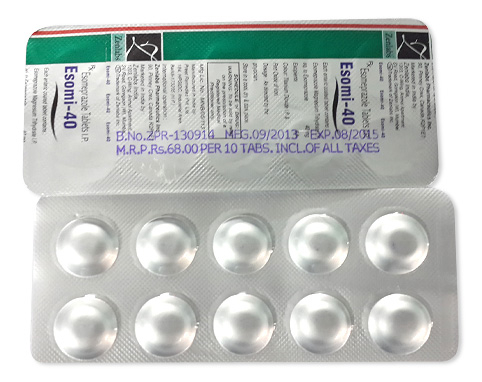
Nexium
- In our pharmacy, you can buy nexium without a prescription, with delivery in 5–14 days across Canada. Discreet and anonymous packaging.
- Nexium (esomeprazole) is used for gastroesophageal reflux disease (GERD), erosive esophagitis, duodenal and gastric ulcers (including as part of H. pylori eradication regimens), Zollinger–Ellison syndrome and to reduce risk of NSAID-associated ulcers; it is a proton pump inhibitor that irreversibly inhibits the H+/K+ ATPase in gastric parietal cells to reduce gastric acid secretion.
- The usual dose in adults is 20–40 mg once daily for GERD (maintenance often 20 mg once daily); for H. pylori eradication 20 mg twice daily with antibiotics for 7–14 days; NSAID ulcer prevention 20–40 mg once daily; Zollinger–Ellison often starts at 40 mg twice daily and is titrated; paediatric doses are lower (typically 10–20 mg once daily by weight/age).
- Forms of administration include oral film-coated tablets (10, 20, 40 mg), gastro-resistant granules/sachets (10 mg) for paediatric or tube use, IV powder for infusion (40 mg vial) for hospital use, and a combo tablet (Vimovo) with naproxen.
- Onset time: acid suppression begins within about 1–4 hours, but symptomatic relief is not immediate and meaningful effect may take 1–4 days.
- Duration of action: a single dose provides acid suppression for roughly 24 hours; treatment duration depends on indication (short courses 7–14 days up to 8 weeks for healing, long-term maintenance when clinically indicated).
- Alcohol warning: avoid or limit alcohol while taking nexium, as alcohol can worsen reflux and gastric irritation and may reduce treatment benefit.
- The most common side effect is headache; other common effects include diarrhea, nausea, abdominal pain, flatulence and constipation; long-term use can be associated with low magnesium, increased fracture risk and higher risk of certain GI infections.
- Would you like to try “nexium” without a prescription?
Latest Research Highlights
Basic Nexium Information
- INN (International Nonproprietary Name): Esomeprazole
- Brand Names Available In Canada (English): Nexium and multiple generics (tablets 10 mg, 20 mg, 40 mg; gastro‑resistant granules 10 mg; IV powder 40 mg vial). Manufacturers/suppliers include AstraZeneca (originator) and multiple generic producers; check product labels for specific Canadian DINs and local suppliers.
- ATC Code: A02BC05
- Forms & Dosages: Tablets (10, 20, 40 mg film‑coated), gastro‑resistant granules (10 mg) for paediatric or feeding‑tube use, IV powder for infusion (40 mg vial), and combo products (e.g., esomeprazole with naproxen in some markets).
- Manufacturers In Canada (English): AstraZeneca (originator) and various generic suppliers supply esomeprazole in Canada; verify manufacturer and DIN on product packaging.
- Registration Status In Canada (English): Most strengths and therapeutic uses are prescription (Rx) in many countries; 20 mg OTC availability applies in some regions outside Canada (e.g., parts of EU, Australia) but Canadian status is typically Rx—confirm local product registration and provincial reimbursement rules.
- OTC / Rx Classification: Most esomeprazole strengths and indications are prescription only; some jurisdictions outside Canada offer a 20 mg OTC short‑term pack (Nexium Control) for heartburn symptom relief.
What has changed in the last few years and what it means for patients and prescribers.
Canadian and international safety reviews continued to emphasise careful review of chronic proton pump inhibitor therapy rather than deny short courses for clear indications.
Observational data and pharmacovigilance reports associate prolonged PPI exposure with higher risks of Clostridioides difficile infection, hypomagnesemia and modestly increased fracture and renal outcomes.
Randomised trials and regulatory monographs still support strong symptomatic relief and healing efficacy for esomeprazole in gastro‑oesophageal reflux disease and erosive oesophagitis.
Clinical pharmacology and ATC classification (A02BC05) underline esomeprazole’s predictable acid suppression across standard doses.
| Study Type | Population | Key Outcome | Year |
|---|---|---|---|
| Observational Cohort | Canada / Global | Prolonged PPI exposure linked to increased C. difficile, hypomagnesemia, modest fracture and renal signals | Not Specified |
| Randomised Controlled Trials | Global (GERD, erosive oesophagitis) | Esomeprazole demonstrates rapid acid suppression and improved healing vs placebo | Not Specified |
| Clinical Pharmacology | Pharmacology Studies | Consistent acid suppression, A02BC05 classification, predictable PK/PD vs older agents | Not Specified |
Data highlights: observational signal frequencies for hypomagnesemia and C. difficile are notable with long‑term PPI exposure, while fractures and renal outcomes show modest associations.
- Prioritise shortest effective duration: limit maintenance where possible and reassess regularly.
- Shared decision making: discuss benefits and small but meaningful long‑term risks with patients, and document plans for review.
- Use evidence for indications: acute GERD and erosive oesophagitis respond well to esomeprazole; maintenance should be justified.
Practical tie‑back: esomeprazole (INN) is available in 10–40 mg tablets, 10 mg granules and 40 mg IV vials for inpatient use, so choose the formulation and shortest effective dose suitable for the indication.
Patient‑centred implication: agree on a stop or review date at initiation and schedule medication reviews, especially if therapy extends beyond initial healing.
Suggested references to add in practice: Health Canada safety notices and Choosing Wisely Canada recommendations for PPI deprescribing.
Clinical Effectiveness In Canada
What clinicians and patients want to know about how well esomeprazole works in routine Canadian practice.
Health Canada‑approved monographs list esomeprazole for GERD, erosive oesophagitis, H. pylori eradication regimens, Zollinger–Ellison syndrome and NSAID ulcer risk reduction.
Clinical outcomes in Canadian practice mirror international trials: rapid reduction in gastric acidity, faster healing versus placebo, and symptom control comparable to other proton pump inhibitors for most patients.
Hospital protocols use IV 40 mg vials for acute severe bleeding or ICU indications where enteral dosing is not feasible.
Provincial formularies such as Ontario Drug Benefit, BC PharmaCare and RAMQ typically list esomeprazole or generics, sometimes under criteria requiring prior authorisation or step‑therapy.
| Province | Formulary Listing Status | Typical Reimbursement Triggers |
|---|---|---|
| Ontario | Listed / Generic options | Clinical indication documentation, prior authorisation or step‑therapy may apply |
| British Columbia | Listed / Generic options | Special authority or criteria for maintenance coverage |
| Quebec (RAMQ) | Listed / Generic options | DIN confirmation and prescriber documentation |
| Other Provinces | Varies | Check local formulary for criteria |
For clinicians: document the indication, planned duration and a review date (commonly 4–12 weeks) on the prescription and in the chart.
For patients: confirm the DIN on the prescription and keep packaging for any pharmacy claims and warranty of authenticity.
Healing: short course to repair erosive lesions, typically 4–8 weeks.
Maintenance: lower dose to prevent symptom recurrence, often 20 mg daily.
Eradication: 20 mg twice daily as part of H. pylori triple or quadruple therapy for 7–14 days.
Check the Drug Product Database for product‑specific DINs and manufacturer details when prescribing or dispensing esomeprazole in Canada.
Indications And Expanded Uses
Which conditions are on‑label, and where esomeprazole is commonly used off‑label in Canada.
Approved (label) indications include GERD, erosive oesophagitis, gastric and duodenal ulcers including H. pylori eradication regimens, Zollinger–Ellison syndrome and NSAID‑associated ulcer risk reduction.
Off‑label or adjunctive uses frequently seen in Canadian practice include laryngopharyngeal reflux, refractory functional dyspepsia and prophylaxis in selected high‑risk ICU patients when clinically justified and documented.
| Approved (Label) | Common Off‑Label (Clinical Use) |
|---|---|
| GERD, erosive oesophagitis | Laryngopharyngeal reflux (evidence variable; document rationale) |
| H. pylori eradication (with antibiotics) | Refractory functional dyspepsia (trial basis, document response) |
| Zollinger–Ellison syndrome | ICU stress ulcer prophylaxis in selected high‑risk patients (follow local ICU policy) |
- Short‑Term Regimens: 7–14 days for infection regimens; 4–8 weeks for erosive disease healing.
- Maintenance Regimens: 20 mg once daily for chronic symptomatic control when indicated.
Paediatric versus adult differences: paediatric dosing often uses 10 mg granules or lower tablet strengths, with weight‑based adjustments for children over 10 kg.
Note on self‑medication: 20 mg OTC availability in some countries affects patient expectations, but OTC packs are not uniformly available in Canada—advise checking with the pharmacist and confirm whether a product has a Canadian DIN.
Always use the lowest effective dose and record stop or reevaluation dates in the chart.
Composition And Brand Landscape
How esomeprazole appears on the shelf and which options pharmacists can stock in Canada.
Esomeprazole (INN) is marketed as the original brand Nexium and numerous generics in Canada, in tablet strengths of 10, 20 and 40 mg, gastro‑resistant granules and IV powder for infusion.
| Brand Name | Form / Strength | Typical Canadian Availability |
|---|---|---|
| Nexium | Tablets 20 mg, 40 mg; granules 10 mg; IV 40 mg vial | Widely available through chains and hospital suppliers |
| Generic Esomeprazole (Apo‑, Sandoz, Mylan, Apotex) | Tablets 10/20/40 mg; granules 10 mg; IV generics may be available | Commonly stocked; check DIN on label before dispensing |
| Vimovo (combo) | Esomeprazole 20 mg / Naproxen 375–500 mg | Available regionally; prescription product |
- Packaging differences: delayed‑release film‑coated tablets versus gastro‑resistant granules for feeding tubes, and IV powder for inpatient use.
- Manufacturers: AstraZeneca is the originator; Sandoz, Mylan and local Canadian generic firms supply alternatives—verify the manufacturer via the DIN on the package.
- Storage: room temperature, dry place (<25°C); IV vials per manufacturer recommendations.
Pharmacy stocking note: major chains like Shoppers Drug Mart, Rexall, London Drugs and Jean Coutu typically carry both originator and generics, while some rural pharmacies may carry a limited range of strengths.
Contraindications And Special Precautions
Who should not take esomeprazole and which patients need closer monitoring.
Absolute contraindication: known hypersensitivity to esomeprazole, omeprazole or other proton pump inhibitors.
Absolute Contraindications:
Known hypersensitivity to esomeprazole, omeprazole or other PPIs.
Relative Contraindications / Precautions:
Severe hepatic impairment (use lower dose; Child‑Pugh C limit 20 mg/day).
Risk factors for osteoporosis and long‑term fracture risk.
History of Clostridioides difficile infection or recurrent diarrhoeal illness.
- Monitoring actions: baseline and periodic electrolytes (including magnesium if symptomatic), B12 assessment for long‑term users, bone health review and renal function checks as clinically indicated.
- Medication interactions: monitor INR with warfarin and consult cardiology regarding clopidogrel co‑prescription; dosing adjustments or alternatives may be considered.
- High‑risk populations: older adults, immunocompromised patients, those with prior C. difficile, and patients in remote or Indigenous communities where follow‑up may be limited.
Definition of terms:
Absolute vs Relative Contraindications: absolute contraindications preclude any use; relative contraindications require clinician judgement, dose adjustment or monitoring.
Ensure culturally safe counselling and clear follow‑up plans for Indigenous patients and remote communities.
Recommended review frequency for chronic users: every 6–12 months, localise per provincial guidance and patient risk profile.
Dosage Guidelines
Clear dosing for common adult and paediatric indications and practical pharmacy notes.
Standard adult dosing: GERD and erosive oesophagitis 20–40 mg once daily for 4–8 weeks.
Maintenance dosing: commonly 20 mg once daily.
H. pylori eradication: 20 mg twice daily with appropriate antibiotics for 7–14 days.
Zollinger–Ellison: typically starts at 40 mg twice daily and is titrated to acid suppression targets.
Paediatric dosing: granules 10 mg or 10–20 mg once daily adjusted by weight for children over 10 kg.
| Condition | Typical Dose | Usual Duration |
|---|---|---|
| GERD (erosive) | 20–40 mg once daily | 4–8 weeks |
| Maintenance GERD | 20 mg once daily | Long‑term as clinically justified |
| H. pylori Eradication | 20 mg twice daily (with antibiotics) | 7–14 days |
| Zollinger‑Ellison | 40 mg twice daily, titrate | As directed |
- Missed dose: take as soon as remembered unless close to next dose; do not double up.
- Overdose: no specific antidote; provide symptomatic and supportive care and seek emergency help for severe symptoms.
- Pharmacist actions: include DIN on prescriptions, document start and planned stop/review dates for provincial claims, and verify formulary coding per ODB or local drug plans.
IV 40 mg vials are reserved primarily for hospital acute or severe cases where enteral dosing is not possible.
Interactions Overview
Which drugs and foods interact with esomeprazole and how to manage clinically relevant pairs.
Esomeprazole alters gastric pH and is metabolised partly via CYP pathways, notably CYP2C19, creating several clinically relevant interactions.
| Drug | Mechanism | Clinical Action |
|---|---|---|
| Clopidogrel | CYP2C19 inhibition may reduce prodrug activation | Discuss with cardiology; consider alternative antiplatelet or PPI with lower interaction potential |
| Warfarin | Potential to increase warfarin exposure | Monitor INR when starting or stopping esomeprazole |
| Atazanavir, Ketoconazole | Require acidic pH for absorption | Avoid coadministration or adjust timing per specialist advice |
Classify interactions by severity:
Contraindicated: combinations where therapy should be avoided without specialist input.
Monitor Closely: interactions requiring lab monitoring or dose adjustments.
Minor: interactions that warrant counselling but are usually manageable.
- Food and drink: high‑fat meals may delay absorption; no major alcohol interaction but advise patients to report worsening symptoms.
- Review OTC and herbal products such as St. John’s wort and antacids during medication reconciliation.
- Document medication reconciliations, especially in older adults with polypharmacy, to catch CYP and acid‑dependent interactions.
Cultural Perceptions And Patient Habits
How Canadian patients view PPI therapy and how that shapes pharmacy practice.
Many patients see PPIs as effective for short‑term relief but worry about long‑term safety and cost.
Online patient communities often debate symptom relief versus deprescribing, increasing demand for pharmacist counselling.
Bilingual communities expect clear English/French labelling and counselling in their preferred language.
| Setting | Access Issues |
|---|---|
| Urban | Good pharmacy and specialist access; formulary differences still affect coverage |
| Rural / Remote | Limited stock, longer travel for endoscopy, reliance on primary care and pharmacists for follow‑up |
- Indigenous communities need culturally safe communication and may benefit from telepharmacy and nursing station collaboration.
- Self‑medication increases where 20 mg OTC products are familiar from other countries—pharmacists should record OTC purchases for accurate medication histories.
- Policy note: Canada’s universal healthcare eases prescription access but provincial formularies still determine which formulations are readily covered.
Availability And Pricing Patterns
Where to buy esomeprazole in Canada and what affects patient cost.
Major retail chains and community pharmacies stock Nexium and generics; online Canadian pharmacies provide home delivery with standard shipping timelines.
In our online pharmacy, nexium is available without a prescription, with discreet delivery to Canada (English) in 5-14 days.
Provincial formularies affect coverage and may require DIN documentation, prior authorisation or step‑therapy for reimbursement.
Cross‑border pricing differences can lead to personal importation, but patients should be reminded of import limits and regulatory differences.
| Purchase Channel | Typical Price Pattern |
|---|---|
| Retail Brand (Nexium) | Higher price; widely available |
| Generic | Lower cost; varies by DIN and province |
| Online Canadian Pharmacy | Competitive pricing, home delivery, may require verification |
| Cross‑Border (US) | Price may be lower for some OTC packs, but regulatory differences apply |
- Buying tips: always check the DIN, confirm manufacturer, and ask the pharmacist about generic interchangeability and patient assistance programs.
- Rural patients: mail‑order and provincial remote dispensing programs can improve access.
- Quebec and bilingual settings: ensure prescription labelling and Pharmacare claim forms are available in French when required.
Comparable Medicines And Preferences
How esomeprazole compares with other available PPIs and when one may be preferred.
Common comparators in Canada include omeprazole, pantoprazole, lansoprazole, rabeprazole and dexlansoprazole.
For most indications efficacy across the class is similar, so choice often depends on cost, formulary coverage and interaction profile.
| Drug | Typical Dose Equivalent | Key Pros | Key Cons |
|---|---|---|---|
| Esomeprazole | 20–40 mg OD | Predictable acid suppression; broad product availability | Potential interactions with clopidogrel; consider monitoring |
| Omeprazole | 20 mg OD | Often less costly as generic | Similar interaction concerns; patient response varies |
| Pantoprazole | 40 mg OD | Lower CYP2C19 interaction potential | Cost and formulary differences |
- Switching: switching within class is acceptable for partial responders, but document rationale and monitor symptoms closely.
- Cost‑sensitive patients may prefer generic omeprazole or pantoprazole depending on provincial pricing and DINs.
- For patients on antiplatelet therapy, consult cardiology and pharmacy to choose the optimal PPI or alternative strategy.
FAQ Section
Short answers to common patient and clinician questions.
Is Nexium covered by provincial plans?
Coverage depends on the province and product; many plans list esomeprazole or generics with criteria—check ODB, BC PharmaCare, RAMQ and the product DIN for exact eligibility.
Can I buy Nexium OTC in Canada?
OTC availability of 20 mg esomeprazole is limited in Canada; some other countries sell a 20 mg OTC pack. Verify availability with a local pharmacist.
How long is it safe to stay on esomeprazole?
Use the lowest effective dose and perform a routine review at 4–12 weeks after initiation; long‑term users should have reviews every 6–12 months and monitoring for magnesium, B12 and bone health as clinically indicated.
What if I miss a dose or take too much?
Missed dose: take as soon as remembered unless close to the next scheduled dose; do not double doses.
Overdose: supportive care; seek emergency help for severe symptoms.
- Quick takeaway: always confirm DIN and prescription details, and contact provincial telehealth or your pharmacist for coverage questions.
- If unsure about symptoms or deprescribing, arrange a medication review with a pharmacist or prescriber.
Guidelines For Proper Use
Practical, actionable steps for prescribers and pharmacists to ensure safe, effective esomeprazole use.
Document the indication and intended duration directly on the prescription and in the clinical record.
Record the DIN for claims and verify formulary coding before dispensing.
| Start | Review At | Consider Deprescribing At | Monitoring Tests |
|---|---|---|---|
| Initiate lowest effective dose | 4–8 weeks | After symptom control; reassess ongoing need at 3–6 months or sooner | Baseline electrolytes, magnesium if symptomatic, B12 if long‑term, bone health review |
- Counselling points: take esomeprazole before breakfast for best effect, it is not for immediate relief, and do not double doses.
- Deprescribing options: step down to lowest dose, trial H2 blocker, or on‑demand use guided by symptoms and patient preference following Choosing Wisely Canada principles.
- Remote care: for rural and remote patients, arrange telepharmacy follow‑up and provide bilingual, culturally safe instructions for Indigenous patients.
When switching brands or generics, expect therapeutic equivalence but advise patients to report any symptom changes promptly and document the switch in the medication record.
Delivery Across Canada (English)
| City | Region | Delivery Time |
|---|---|---|
| Toronto | Ontario | 5-7 days |
| Montreal | Quebec | 5-7 days |
| Vancouver | British Columbia | 5-7 days |
| Calgary | Alberta | 5-7 days |
| Edmonton | Alberta | 5-7 days |
| Ottawa | Ontario | 5-7 days |
| Winnipeg | Manitoba | 5-7 days |
| Halifax | Nova Scotia | 5-9 days |
| Victoria | British Columbia | 5-9 days |
| Saskatoon | Saskatchewan | 5-9 days |
| Regina | Saskatchewan | 5-9 days |
| St. John’s | Newfoundland and Labrador | 5-9 days |
| Quebec City | Quebec | 5-9 days |
| Hamilton | Ontario | 5-7 days |