Pepcid
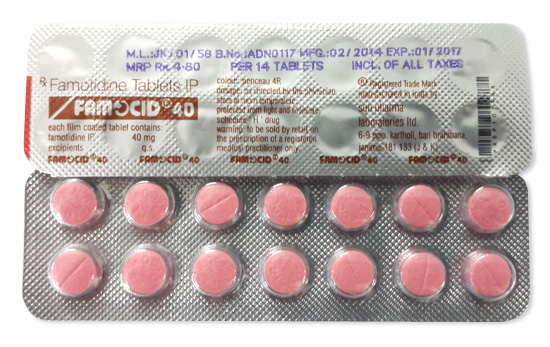
Pepcid
- In our pharmacy, you can buy pepcid without a prescription—lower strengths (10–20 mg) are available OTC in many markets including Canada, while higher strengths (40 mg), liquid suspensions and some pediatric formulations may require a prescription; delivery across Canada available with discreet packaging.
- Pepcid (famotidine) is used to treat heartburn, gastro-oesophageal reflux disease (GERD), and peptic ulcers; it is a histamine H2‑receptor antagonist that reduces gastric acid secretion by blocking H2 receptors on stomach parietal cells.
- Usual dosage: adults commonly 20 mg twice daily for heartburn/GERD; for active ulcers 20 mg twice daily or 40 mg once daily; doses are adjusted in renal impairment and paediatric dosing is weight-based (adult doses generally used for those ≥40 kg).
- Form of administration: oral tablets (10, 20, 40 mg), chewable tablets, orally disintegrating tablets, and powder for reconstitution as an oral suspension.
- Onset time (how fast it starts working): symptom relief typically begins within 30–60 minutes after oral dosing.
- Duration of action: acid suppression usually lasts about 10–12 hours, with individual variation and depending on dose.
- Alcohol warning: avoid excessive alcohol while taking pepcid as alcohol can worsen gastrointestinal symptoms and may increase side effects; consult your healthcare provider if unsure.
- The most common side effec is headache.
- Would you like to try pepcid without a prescription?
Pepcid (Famotidine): What Canadians Need To Know
Basic Pepcid Information
-
INN (International Nonproprietary Name): famotidine
-
Brand Names Available In Canada (English): not specified
-
ATC Code: A02BA03
Classification: Histamine H2‑receptor antagonists (blockers).
-
Forms & Dosages:
Tablets: 10 mg, 20 mg, 40 mg.
Powder for suspension: 40 mg/5 mL (reconstituted; Rx only).
Chewable tablets: 10 mg, 20 mg.
Orally disintegrating tablets: 20 mg.
-
Manufacturers In Canada (English): not specified
-
Registration Status In Canada (English): not specified
-
OTC / Rx Classification:
Over‑the‑counter: lower strengths (e.g., 10 mg, 20 mg) in many markets for heartburn/reflux.
Prescription only: higher strengths (e.g., 40 mg), liquid suspensions, pediatric use.
-
Standard Dosages Per Condition (Selected):
Gastric ulcer (active): 40 mg once daily at bedtime (adult).
Duodenal ulcer (active): 20 mg twice daily or 40 mg once daily (adult).
GERD/Heartburn: 20 mg twice daily (adult).
Prevention/heal/relapse: 20 mg once daily.
-
Dosage Adjustments:
Children: not recommended under 3 months; above 40 kg use adult dosages.
Elderly: caution due to renal impairment.
Renal impairment: reduce dose in moderate–severe kidney dysfunction (e.g., halve usual dose if CrCl < 50 mL/min).
-
Typical Treatment Durations:
Ulcer treatment: 6–8 weeks.
GERD: 6–12 weeks.
-
Missed Dose / Overdose:
Missed dose: take as soon as remembered unless near next dose; do not double dose.
Overdose: may cause confusion, fainting, low blood pressure; seek medical attention.
-
Storage: store below 25°C, keep dry, avoid moisture and direct light.
-
Absolute Contraindications: known allergy to famotidine or other H2 blockers.
Latest Research Highlights
Worried whether Famotidine still belongs in the medicine cabinet after recent studies?
Systematic reviews from 2022–mid‑2024 reconfirm that histamine H2‑receptor antagonists reduce gastric acid and improve mild to moderate reflux symptoms compared with placebo.
Those same reviews also show that proton‑pump inhibitors outperform H2 blockers for healing erosive oesophagitis.
Canadian observational cohort data show famotidine remains commonly used in community settings for episodic heartburn.
Small hospital audits in Canada report that clinicians often switch to PPIs when GERD is severe or erosive disease is suspected.
Early pandemic‑era observational signals proposing better COVID outcomes with famotidine proved inconclusive and were not adopted into clinical guidelines.
- Famotidine reduces nocturnal acid and provides symptomatic relief for mild–moderate reflux versus placebo.
- PPIs remain superior to H2RAs for mucosal healing in erosive oesophagitis.
- Community prescribing in Canada still shows frequent OTC and short‑course famotidine use for episodic heartburn.
- Hospital practice trends favour PPIs for severe GERD or ulcer healing, reserving famotidine where PPIs are contraindicated.
- Renal‑guided dosing is emphasised for older adults to reduce adverse events and accumulation.
| Study Type | Population | Primary Outcome | Effect Size / Conclusion | Year |
|---|---|---|---|---|
| Systematic Review / Meta‑analysis | Community and clinical trial populations | Symptom relief / mucosal healing | H2RAs reduce symptoms vs placebo; PPIs superior for healing | 2022–2023 |
| Observational Cohort (Canada) | Community patients with episodic heartburn | Use patterns and symptom control | Famotidine commonly used for episodic relief | 2022 |
| Hospital Audits (Small) | Inpatients with GERD / ulcers | Formulary switching and outcomes | Switch to PPIs for severe GERD; famotidine used when PPI contraindicated | 2023–2024 |
| Observational COVID Era Studies | Hospitalized COVID patients | Mortality / clinical improvement | Signals inconclusive; not guideline‑adopted | 2020–2021 |
Patient‑centred note: recent evidence supports short‑term symptom control with famotidine but stresses renal dosing for older adults to avoid accumulation.
Canadians commonly value clear bilingual (EN/FR) counselling materials and short risk–benefit explanations when choosing between OTC options.
Clinical Effectiveness In Canada
Are Canadians getting good symptom relief from famotidine compared with other options?
Health Canada‑aligned monographs and international reviews list famotidine (INN famotidine; ATC A02BA03) as effective for symptomatic relief of heartburn and for selected ulcer indications.
Comparative trials and meta‑analyses show H2 blockers reduce nocturnal acid and episodic reflux, with PPIs better for mucosal healing.
Canadian hospital formularies commonly list famotidine as a step‑therapy option for mild GERD, stress‑ulcer prophylaxis when indicated, or when PPIs are contraindicated.
Provincial drug coverage varies across programs such as Ontario Drug Benefit and BC PharmaCare, and DIN presence often determines reimbursement eligibility.
Community pharmacists at retail chains like Shoppers Drug Mart and London Drugs frequently counsel patients on OTC dosing versus prescription regimens and recommend renal checks for older adults.
- famotidine
- H2RA (histamine H2‑receptor antagonist).
- OTC vs Rx
- Lower strengths (10–20 mg) often OTC; higher strengths (40 mg), suspensions and paediatric use generally Rx.
- DIN
- Drug Identification Number used for reimbursement and formulary listings.
| Clinical Indication | Typical Canadian Formulary Status |
|---|---|
| Mild Episodic Heartburn | OTC availability / listed as step option |
| Gastric/Duodenal Ulcer | Prescription; listed for specific ulcer indications |
| Stress Ulcer Prophylaxis | Formulary option when clinically indicated or PPI contraindicated |
Indications & Expanded Uses
Wondering what famotidine is approved for and when it’s used off‑label?
Worldwide approved adult indications include duodenal and gastric ulcers, GERD/heartburn, and prophylaxis in selected settings.
Standard adult dosing aligns with regulatory labels such as duodenal ulcer 20 mg twice daily or 40 mg once daily.
Common off‑label Canadian uses include short‑term prevention of NSAID‑induced dyspepsia, adjunct use in some functional dyspepsia trials, and limited ICU stress‑ulcer prophylaxis where PPIs pose risk.
COVID‑related hypotheses were investigated early in the pandemic but were not adopted into routine care or recommendations.
Clear distinction between approved and off‑label use matters for provincial coverage and informed consent.
- Approved Adult Indications: duodenal ulcer, gastric ulcer, GERD/heartburn, prevention of relapse.
- Common Off‑Label Uses: NSAID dyspepsia prevention, adjunct for functional dyspepsia, selective ICU prophylaxis when PPI risk is a concern.
- Paediatric Caveats: not recommended under 3 months; weight‑based dosing with adult dosing above ~40 kg.
Cultural note: bilingual patient leaflets should list approved uses and encourage Indigenous and remote communities to consult local health centres for supply and follow‑up.
Composition & Brand Landscape
Which brands and formulations are people likely to find on pharmacy shelves in Canada?
The active ingredient is famotidine (INN famotidine).
Globally it is marketed as Pepcid in the United States and generically in many countries.
Common forms and strengths include tablets (10/20/40 mg), chewables (10/20 mg), suspension powder (40 mg/5 mL) for reconstitution, and orally disintegrating 20 mg tablets.
In Canada the market usually mixes branded Pepcid products and generics, with supply from global manufacturers and local wholesalers.
DINs determine reimbursement and are the key identifier on provincial formularies.
| Brand | Strength | Canadian DIN |
|---|---|---|
| Pepcid (brand) | 10 mg / 20 mg / 40 mg | not specified |
| Generic Famotidine | 10 mg / 20 mg / 40 mg | not specified |
- Common pack examples: blister packs for chewables and tablets; bottles for bulk OTC or Rx packs.
- Retail availability: Shoppers Drug Mart, Rexall, Jean Coutu, London Drugs commonly stock OTC lower strengths, while pharmacies supply Rx suspensions.
Cultural detail: bilingual EN/FR packaging and labelling are expected, and rural clinics may rely on generics for cost containment.
Contraindications & Special Precautions
Are there patients who must not take famotidine?
Absolute contraindication: known allergy to famotidine or other H2 blockers such as ranitidine, cimetidine, or nizatidine.
Relative contraindications include severe renal or hepatic impairment, history of QT prolongation or serious arrhythmias, and situations in pregnancy or breastfeeding where risk must be weighed.
Immunocompromised patients on prolonged acid suppression should be monitored because suppression can increase infection risk.
Older adults are more sensitive to adverse events and often need renal dose reduction.
- Absolute Contraindications: known allergy to famotidine or H2 blocker class.
- Relative Contraindications / Cautions: renal impairment, hepatic impairment, QT prolongation, pregnancy/breastfeeding caution, immunocompromised status.
Data highlight: in renal impairment halve the usual general dose if creatinine clearance is less than 50 mL/min.
Provincial coverage often requires documented renal monitoring for continued reimbursement of higher‑strength or prolonged therapy.
Dosage Guidelines
How should famotidine be dosed for different conditions and populations?
Gastric ulcer: 40 mg once daily at bedtime in adults.
Duodenal ulcer: 20 mg twice daily or 40 mg once daily in adults.
GERD: 20 mg twice daily in adults.
Renal impairment: halve usual doses when creatinine clearance is under 50 mL/min.
Paediatric: avoid use in infants under 3 months; above 40 kg use adult dosing.
| Indication | Adult Dose | Pediatric Note | Typical Duration |
|---|---|---|---|
| Gastric Ulcer | 40 mg once daily (bedtime) | 40 mg once daily if appropriate | 6–8 weeks |
| Duodenal Ulcer | 20 mg twice daily or 40 mg once daily | 40 mg once daily if appropriate | 6–8 weeks |
| GERD / Heartburn | 20 mg twice daily | 40 mg once daily for older children / adolescents | 6–12 weeks |
- Missed Dose: take as soon as remembered unless close to the next dose; do not double dose.
- Overdose: confusion, fainting, or low blood pressure possible; seek urgent care.
Pharmacists should verify weight for adolescents and renal function for elderly patients, and document counselling for provincial reimbursement criteria.
Bilingual dosing cards and pictograms help patients with limited literacy or who are non‑English speakers.
Interactions Overview
What drugs or products should be reviewed before starting famotidine?
Famotidine has fewer cytochrome P450 interactions than cimetidine, but interactions remain clinically relevant.
Key concerns include additive risk with QT‑prolonging drugs and altered absorption when given with antacids.
Drugs that require gastric acidity for absorption should be monitored for therapeutic effect when given with famotidine.
Health Canada labels advise caution with cardiac medications and in polypharmacy, especially for older adults.
- Notable drug classes to check: antiarrhythmics, certain antifungals, and some antiretrovirals.
- Over‑the‑counter antacids containing calcium or magnesium change timing and can affect famotidine absorption if taken together.
- Foods and drinks that commonly worsen reflux symptoms include coffee, alcohol, and spicy foods; lifestyle advice often complements drug therapy.
In rural areas telepharmacy consults can help reconcile medication lists when local prescribers or pharmacists need support.
Cultural Perceptions & Patient Habits
How do Canadians actually use famotidine and what do they expect from pharmacists?
Online forums and provincial health portals show many Canadians use famotidine for episodic heartburn and appreciate OTC convenience.
There is a common preference for short courses rather than long‑term acid suppression due to perceived side‑effect concerns.
Rural communities often report limited stock at smaller pharmacies and rely on mail‑order or regional health centres for supplies.
Urban patients may prefer branded Pepcid due to familiarity, while cost‑sensitive or remote patients often choose generics or use provincial coverage programs.
- Common behaviours: OTC self‑treatment for intermittent heartburn, pharmacist consultations for dosing, and online searches for quick remedies.
- Community pharmacies play a key education role and many support telepharmacy or First Nations health programs to maintain continuity of care.
Culturally safe, bilingual counselling improves adherence, particularly in Indigenous and immigrant populations.
Availability & Pricing Patterns
Where can Canadians buy famotidine and what should they expect to pay?
Famotidine is sold OTC at lower strengths (10/20 mg) and by prescription for higher strengths and suspensions.
Major Canadian retailers such as Shoppers Drug Mart, Rexall, Jean Coutu, and London Drugs stock both branded and generic options at store locations and online.
Branded Pepcid typically costs more than generics, and provincial formularies influence out‑of‑pocket costs for chronic prescriptions.
Some Canadians compare US retail pricing but cross‑border importation is complicated by lack of Canadian DINs and import rules.
| Product | Typical Canadian Price Per Unit | US Retail Price Per Unit (Example) |
|---|---|---|
| Pepcid 20 mg Tablet | varies by retailer / higher than generic | typically lower in US retail; varies |
| Generic Famotidine 20 mg | lower cost per tablet; common OTC option | often comparably priced or lower in US |
In our online pharmacy, pepcid is available without a prescription, with discreet delivery to Canada (English) in 5‑14 days.
- Check provincial programs (ODP, PharmaCare, RAMQ) or private plans for coverage details.
- Contact major chains for price matching or bulk discounts on chronic supplies.
Stockouts are more common in remote communities and some provincial programs support extended supplies or mail delivery.
Comparable Medicines And Preferences
Should patients choose famotidine or a PPI for heartburn and reflux?
Competitors include other H2RAs such as cimetidine and nizatidine, though ranitidine has been largely withdrawn from many markets.
PPIs (omeprazole, esomeprazole and others) are superior for mucosal healing and moderate‑to‑severe GERD but have different long‑term risk profiles.
Cimetidine has more drug‑interaction potential; famotidine is favoured when fewer interactions are desired.
| Drug Class / Drug | Onset | Efficacy For Healing | Interaction Risk | Cost |
|---|---|---|---|---|
| Famotidine (H2RA) | Faster symptom relief for episodic heartburn | Less effective than PPIs for mucosal healing | Lower CYP interaction risk than cimetidine | Moderate; generics less costly |
| Proton Pump Inhibitors (Omeprazole) | Slower onset for symptom relief | Superior for erosive disease | Different interaction profile; long‑term safety considerations | Varies; generics widely available |
| Cimetidine | Moderate | Similar to famotidine for symptoms | Higher CYP‑mediated interaction risk | Often low cost |
Patient checklist: compare onset, duration, interaction potential and cost when selecting therapy, and document rationale for therapeutic choice for formulary or funding purposes.
FAQ Section
What quick answers do patients need about Pepcid and famotidine?
Can I buy Pepcid OTC in Canada?
Lower strengths (commonly 10–20 mg) are available OTC; higher strengths (40 mg) and suspensions often require a prescription and DIN checks for coverage.
Is famotidine safe for older adults?
With renal dosing adjustments it is generally safe; pharmacists should confirm creatinine clearance and review concurrent medications.
Can I use famotidine during pregnancy or breastfeeding?
Only if clearly needed and after discussion with an obstetric care provider; assess risk versus benefit.
How long before I should switch to a PPI?
If symptoms persist or there is evidence of oesophagitis, switch to a PPI is preferred; document trials of H2RA when required by formulary processes.
What if I live in a remote community?
Contact your local health centre about mail‑order stocks or telepharmacy services; some provincial programs support extended supplies.
- When to seek care: red‑flag symptoms such as weight loss, difficulty swallowing, vomiting blood or black tarry stools.
- How to check coverage: review DIN on the product label and contact provincial drug program or pharmacy benefits administrator.
Guidelines For Proper Use
What should pharmacists cover when counselling someone prescribed famotidine?
Use the lowest effective dose for the shortest duration appropriate to the indication.
Confirm indication, check renal function and current medications, and advise on timing with meals and antacids.
Advise patients about red‑flag symptoms such as unexplained weight loss, dysphagia, or GI bleeding that require urgent GP referral.
- Counselling Checklist: confirm indication and dose, verify renal function, reconcile medication list for interactions, explain missed‑dose and overdose actions, provide bilingual written instructions.
- Document DIN and clinical rationale when applying for provincial coverage (e.g., ODP, PharmaCare, RAMQ).
Definition: missed dose — take as soon as remembered unless near next dose; do not double up.
Definition: overdose — possible confusion, fainting, hypotension; seek emergency care.
Storage guidance: store below 25°C, keep dry and out of direct light.
Pharmacists should liaise with First Nations health authorities for continuity of care and supply in remote communities.
Delivery Across Canada (English)
| City | Region | Delivery time |
|---|---|---|
| Toronto | Ontario | 5‑7 days |
| Vancouver | British Columbia | 5‑7 days |
| Montreal | Quebec | 5‑7 days |
| Calgary | Alberta | 5‑7 days |
| Ottawa | Ontario | 5‑7 days |
| Edmonton | Alberta | 5‑7 days |
| Winnipeg | Manitoba | 5‑7 days |
| Halifax | Nova Scotia | 5‑7 days |
| London | Ontario | 5‑9 days |
| St. John’s | Newfoundland and Labrador | 5‑9 days |
| Saskatoon | Saskatchewan | 5‑9 days |
| Regina | Saskatchewan | 5‑9 days |
| Victoria | British Columbia | 5‑9 days |
| Yellowknife | Northwest Territories | 5‑9 days |