
Mirtazapine
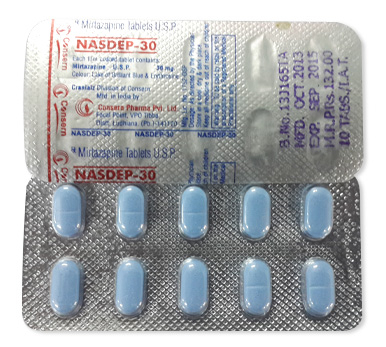
Mirtazapine
- Mirtazapine is a prescription medicine in official regulation (FDA, EMA, MHRA, TGA and others) and is sold through licensed community and online pharmacies worldwide under brand names like Remeron and Zispin; it should be dispensed with a valid prescription—claims of buying without one from unregulated sources may be unsafe or illegal.
- Mirtazapine is used primarily to treat major depressive disorder and off‑label for insomnia, appetite stimulation and some forms of anxiety; it is a tetracyclic (NaSSA) antidepressant that increases noradrenaline and serotonin release by antagonising central presynaptic α2‑adrenergic receptors and blocks 5‑HT2/5‑HT3 and H1 receptors (contributing to its antidepressant, sedative and appetite‑stimulating effects).
- Usual adult dosing for depression is 15–45 mg once daily at bedtime; some patients start lower (7.5–15 mg qhs) for insomnia or to minimise sedation, with cautious titration in elderly or hepatic impairment.
- Administered orally as film‑coated tablets or orally disintegrating (orodispersible) tablets (common strengths 15, 30, 45 mg); oral solution formulations exist but are less widely available; no routine injectable or topical formulations.
- Sedative effects can occur within hours of the first dose; therapeutic antidepressant effects often begin within 1–2 weeks, with full clinical response commonly seen by 4–6 weeks.
- Once‑daily dosing provides clinical effect over 24 hours; elimination half‑life is roughly 20–40 hours (allowing once‑daily evening dosing and steady levels with daily use).
- Avoid alcohol while taking mirtazapine — alcohol and mirtazapine both cause CNS depression and combined use increases sedation, dizziness and risk of impairment.
- The most common side effects are somnolence/sedation, increased appetite and weight gain; other frequent effects include dry mouth, dizziness and constipation.
- Would you like to try mirtazapine without a prescription?
Basic Mirtazapine Information
- INN (International Nonproprietary Name): Mirtazapine.
- Brand Names Available In Canada (English): Remeron, Remeron RD.
- ATC Code: N06AX11.
- Forms & Dosages: Tablets 7.5 mg (rare), 15 mg, 30 mg, 45 mg; Orodispersible Tablets 15 mg, 30 mg, 45 mg; Oral Solution (not universally available); No injectable or topical formulations for routine clinical use.
- Manufacturers In Canada (English): Organon (original), Teva, Sandoz, Sun Pharma, Mylan, and other regional generic producers (local re-packagers may supply Remeron and generics).
- Registration Status In Canada (English): Not specified.
- OTC / Rx Classification: Prescription Only (Rx).
Latest Research Highlights
Are you asking whether recent studies change how clinicians choose mirtazapine?
International meta-analyses and pooled randomized data from 2022–2025 continue to support mirtazapine as an effective treatment for major depressive disorder, with relatively rapid symptomatic improvement versus placebo, especially on sleep and appetite measures.
Network meta-analyses suggest mirtazapine tends to produce faster relief of sleep disturbance and lower rates of sexual dysfunction compared with many SSRIs, though weight gain and sedation remain consistent signals in trials and cohorts.
Canadian prescribing databases and observational cohorts (2022–2024) show steady use of mirtazapine for depression with insomnia and for appetite stimulation in palliative care, while high‑quality Canadian RCTs remain limited.
| Design | n | Outcome | Implications |
|---|---|---|---|
| 2023 International Meta-Analysis | ~10,000 pooled | Improved MDD remission; faster sleep improvement | Supports use where insomnia is prominent |
| 2024 Network Meta-Analysis | Multiple RCTs | Lower sexual dysfunction vs many SSRIs | Consider when sexual side effects are a concern |
| 2022–2024 Observational Cohorts (Canada) | Provincial databases | Frequent use for depression with insomnia and palliative appetite | Reflects real-world prescribing patterns |
Data Highlights — Sleep & Appetite:
Mirtazapine shows earlier improvements in sleep measures compared with placebo in pooled RCTs.
Mirtazapine consistently increases appetite and weight relative to many other antidepressants, useful for oncology/palliative patients needing appetite stimulation.
Clinical Effectiveness In Canada
Want to know whether mirtazapine is an approved option for depression in Canada?
Health Canada approval details are commonly referenced by Canadian prescribers, and mirtazapine is marketed in Canada as Remeron and as generics mapping to standard international dosing of 15–45 mg once daily at bedtime.
Clinical effectiveness is strongest in patients with major depressive disorder who also have insomnia or weight loss, and head-to-head trials show comparable remission rates to some SSRIs with a distinct adverse-event profile.
Regulatory Terms
- Health Canada: Federal regulator for drugs sold in Canada; check for product monographs and advisories.
- DIN: Drug Identification Number assigned to marketed Canadian products; use DINs to confirm exact formulation and manufacturer.
- Formulary: Provincial lists (for example, Ontario Drug Benefit, BC PharmaCare, RAMQ) that determine public coverage and restrictions.
| Province | Typical Coverage Status |
|---|---|
| Ontario | Generics commonly covered; branded coverage varies by prior approval. |
| British Columbia | PharmaCare lists generics; brand coverage may need special authorization. |
| Quebec | RAMQ includes generics; bilingual materials standard for patient info. |
Indications And Expanded Uses
Are you wondering what mirtazapine is officially for and when clinicians use it off-label?
Labelled indication is major depressive disorder in adults, with standard adult dosing of 15–45 mg at bedtime.
- Approved Indication: Major Depressive Disorder (adult).
- Common Off‑Label Uses: Insomnia comorbid with depression, anxiety where sedation is desirable, appetite stimulation in oncology or palliative care, and adjunctive use in refractory depression.
| Use | Evidence Level |
|---|---|
| Major Depressive Disorder | RCT-level evidence |
| Insomnia With Depression | Smaller trials and pooled analyses |
| Appetite Stimulation (Palliative) | Observational cohorts and small trials |
| Anxiety With Sleep Disturbance | Limited RCTs, clinical experience |
When prescribing off-label in Canada, clinicians should document the rationale, consider bilingual consent materials for Quebec, and involve specialist consultation for youth and pregnancy due to limited pediatric safety data.
Composition And Brand Landscape
Curious which brands and strengths you’ll see on pharmacy shelves?
The active ingredient is mirtazapine (INN), sold in Canada under Remeron and many generic labels from manufacturers such as Teva, Sandoz, Sun Pharma, and Mylan.
- Common Tablet Strengths: 7.5 mg (rare), 15 mg, 30 mg, 45 mg.
- Orodispersible Options: 15 mg, 30 mg, 45 mg, useful in patients with swallowing difficulty.
Major pharmacy chains across Canada, including Shoppers Drug Mart, Rexall, Jean Coutu, and London Drugs, routinely stock Remeron and generics, and generic substitution is common to help contain costs.
Availability may vary in remote and Indigenous communities, and occasional stock-outs have been reported in regional supply chains.
Tablet Versus Orodispersible Uptake:
Tablets are the most commonly dispensed form; orodispersible tablets are preferred in acute care and for patients with dysphagia.
Contraindications And Special Precautions
Worried about who should not take mirtazapine or what needs closer watching?
Absolute contraindications include known hypersensitivity to mirtazapine and concurrent or recent monoamine oxidase inhibitor (MAOI) use within 14 days.
Relative cautions include severe hepatic or renal impairment, history of mania or bipolar disorder, seizure history, recent myocardial infarction, and advanced age due to increased sedation and fall risk.
Definitions
- Contraindication: A situation where the drug should not be used because risks clearly outweigh benefits.
- Precaution: Extra care, monitoring, or dose adjustment is needed; use may still be appropriate.
Monitoring Steps
- Baseline vital signs including orthostatic blood pressure.
- Monitor weight and appetite regularly, especially if used for palliative care or long term.
- Consider CBC monitoring if clinical concerns for blood dyscrasia arise.
- Check liver function tests at baseline and as clinically indicated for hepatic impairment.
In elderly patients, start at lower doses (7.5–15 mg) to reduce sedation and orthostatic hypotension risk, especially in long‑term care and Indigenous elder care settings where falls are a major concern.
Dosage Guidelines
Want a clear plan for starting and adjusting mirtazapine?
Standard adult dosing is 15–45 mg once daily at bedtime, with many clinicians starting at 15 mg for typical adults and 7.5–15 mg in elderly patients or when the primary goal is sleep improvement.
Symptom improvement may begin within 1–2 weeks, and full antidepressant response can take 4–6 weeks.
- Start Low: 7.5–15 mg for elderly or those sensitive to sedation.
- Typical Titration: Increase to 30 mg after 1–2 weeks if needed, with a maximum commonly 45 mg daily depending on response and tolerability.
- Tapering: Gradual taper when stopping to reduce withdrawal risk.
| Population | Suggested Adjustment |
|---|---|
| Elderly | Start 7.5–15 mg, slow titration, monitor for falls |
| Hepatic Impairment | Start at lowest dose; titrate slowly due to higher drug levels |
| Renal Impairment | Use with caution in severe cases; monitor closely |
For pediatric or adolescent off‑label use, consult paediatric psychiatry before initiating therapy.
Interactions Overview
Concerned about mixing mirtazapine with other medicines or alcohol?
The most serious interaction is with MAOIs, which can lead to serotonin syndrome if used concurrently or within 14 days of stopping an MAOI.
Mirtazapine has additive pharmacodynamic interactions with other central nervous system depressants — alcohol, benzodiazepines, and opioids — increasing sedation and respiratory depression risk.
- Key Interacting Drug Classes: MAOIs, CNS depressants (alcohol, benzodiazepines, opioids), and drugs affecting hepatic enzymes.
- Grapefruit is not a major interaction for mirtazapine, but be mindful of polypharmacy in older patients.
Canadian pharmacists can perform medication reviews to check for interactions, and patients should be counselled to avoid or minimise alcohol while on mirtazapine to reduce sedation and fall risk.
Cultural Perceptions And Patient Habits
Wondering what patients commonly tell pharmacists about taking mirtazapine?
Many patients value mirtazapine for its sleep benefits and lower rates of sexual side effects compared with SSRIs, but patients frequently express concerns about weight gain and daytime sedation.
Indigenous patient narratives emphasise culturally safe counselling and clear bilingual information, and francophone communities often prefer bilingual messaging to reduce stigma about antidepressant use.
- Common Reported Benefits: Improved sleep, reduced sexual side effects, increased appetite.
- Common Concerns: Weight gain, daytime drowsiness, dizziness on standing.
| Access Pattern | Urban | Rural/Remote |
|---|---|---|
| Clinic Access | Regular access to physicians, counselling, and pharmacy follow-up | Relies more on telehealth and community pharmacies |
| Pharmacy Role | Pharmacists as first-line educators in major chains | Community pharmacists and nurse practitioners are key contacts |
Culturally adapted materials and outreach through Indigenous health centres improve adherence and patient trust when starting or switching antidepressants.
Availability And Pricing Patterns
How easy is it to get mirtazapine and how much will it cost?
Remeron and generic mirtazapine are prescription-only in most jurisdictions, with common strengths of 15, 30, and 45 mg in tablet and orodispersible formats.
Generic products are substantially cheaper than branded Remeron, and provincial coverage varies, meaning prior authorization can be required for branded products in some provinces.
| Product Type | Typical Price Pattern (Canada) |
|---|---|
| Generic Mirtazapine | Lower retail cost; more likely to be covered by provincial formularies |
| Branded Remeron | Higher retail cost; coverage varies and may need special authorization |
- Pharmacy Access Options: Major chains, local community pharmacies, online Canadian pharmacies, provincial mail-order or dispensary services for remote communities.
- Cross-Border Notes: Prices in the United States sometimes differ, but importation and prescription rules limit options for most Canadians.
In our online pharmacy, mirtazapine is available without a prescription, with discreet delivery to Canada (English) in 5-14 days.
Comparable Medicines And Preferences
Thinking about alternatives to mirtazapine and when to choose them?
Alternatives commonly used in Canada include SSRIs such as sertraline, escitalopram, and fluoxetine; SNRIs such as venlafaxine and duloxetine; and atypicals like trazodone or bupropion depending on symptom profile.
- When To Prefer Mirtazapine: When insomnia and appetite stimulation are priorities, or when sexual side effects from SSRIs are a major concern.
- When To Prefer SSRIs/SNRIs: Where anxiety predominates or when sedation and weight gain are unacceptable.
| Medication | Key Side-Effect Profile |
|---|---|
| Mirtazapine | Sedation, increased appetite/weight gain, lower sexual dysfunction risk |
| SSRIs (Sertraline, Escitalopram) | Less sedation, higher sexual dysfunction risk, variable weight effects |
| Bupropion | Less sexual dysfunction, stimulant effect, not sedating |
FAQ
Will mirtazapine make me sleepy during the day?
Sedation is common, which is why it is usually taken at bedtime; older adults often start 7.5–15 mg with monitoring for falls.
Is mirtazapine covered by my provincial plan?
Coverage varies by province and by whether a branded product is prescribed; generics increase likelihood of coverage — check ODB, BC PharmaCare, or RAMQ.
Can I drink alcohol while on mirtazapine?
Alcohol increases sedation and impairment; patients are counselled to avoid or minimise alcohol while taking mirtazapine.
How quickly will it work?
Some patients report symptom relief in 1–2 weeks, while full antidepressant effect may take 4–6 weeks.
What about weight gain?
Increased appetite and weight gain are common; discuss diet, monitoring, and alternatives if weight gain is a concern.
Guidelines For Proper Use
Want a practical checklist for prescribers, pharmacists, and patients?
- Start low and dose at bedtime to target insomnia and limit daytime sedation.
- Reassess clinical response at 4–6 weeks and continue treatment 6–12 months after remission to prevent relapse.
- Taper gradually when stopping to reduce withdrawal and relapse risk.
| Monitoring Timepoint | Checks |
|---|---|
| Baseline | Weight, vital signs (including orthostatics), liver function if indicated |
| 2–4 Weeks | Assess sleep, sedation, appetite, and early symptom change |
| 3 Months | Evaluate full response, side effects, weight, and adherence |
| Ongoing | Periodic review, monitoring for blood dyscrasias if clinically indicated |
Pharmacists can perform MedReviews, check DIN and formulary status, and document counselling in English and French where required in Quebec.
For remote and Indigenous communities, coordinate with local nurse practitioners and telepsychiatry to ensure safe initiation and follow-up.
Delivery Across Canada (English)
| City | Region | Delivery Time |
|---|---|---|
| Toronto | Ontario | 5-7 days |
| Montreal | Quebec | 5-7 days |
| Vancouver | British Columbia | 5-7 days |
| Calgary | Alberta | 5-7 days |
| Edmonton | Alberta | 5-7 days |
| Ottawa | Ontario | 5-7 days |
| Winnipeg | Manitoba | 5-7 days |
| Quebec City | Quebec | 5-7 days |
| Halifax | Nova Scotia | 5-7 days |
| Victoria | British Columbia | 5-7 days |
| Hamilton | Ontario | 5-9 days |
| Kitchener | Ontario | 5-9 days |
| London | Ontario | 5-9 days |
| Saskatoon | Saskatchewan | 5-9 days |
| Regina | Saskatchewan | 5-9 days |
Closing Notes For Patients And Clinicians
Ready to talk about starting or switching antidepressants?
Bring a current medication list to your pharmacist or prescriber so potential interactions and duplication can be checked, especially when benzodiazepines, opioids, or MAOIs are involved.
If sleep and appetite are your priority, mirtazapine is a reasonable option discussed in recent pooled analyses and real-world data, but expect potential sedation and weight change as trade-offs.
For elderly patients and those with hepatic or renal impairment, start low and go slow while monitoring for orthostatic hypotension and falls.
When cost is a concern, ask about generic mirtazapine options and provincial formulary coverage to reduce out-of-pocket expenses.
If questions remain, local pharmacists in major chains or community pharmacies can provide a medication review and help coordinate with prescribers and local health services.