Propranolol
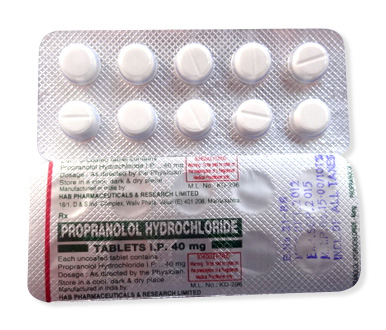
Propranolol
- In pharmacies and hospitals, propranolol is usually sold as a prescription-only medicine in Canada and most other countries. Availability depends on local regulations and product listings, and it is commonly dispensed through community pharmacies, hospital pharmacies, and some online pharmacies. Although you mentioned it may be possible to buy it without a prescription in some places, that is not the standard legal status in most regions.
- Propranolol is used for hypertension, angina, cardiac arrhythmias, migraine prevention, essential tremor, anxiety symptoms, hyperthyroidism, and infantile hemangioma. It is a non-selective beta-blocker that works by blocking beta-adrenergic receptors, which lowers heart rate, reduces blood pressure, and decreases the heart’s workload.
- The usual dose depends on the condition: hypertension, 40 mg 2–3 times daily; angina, 40–80 mg 2–3 times daily; arrhythmias, 10–30 mg 3–4 times daily; migraine prevention, 80–160 mg/day in divided doses; essential tremor, 40 mg twice daily titrated as needed; hyperthyroidism, 10–40 mg 3–4 times daily; anxiety, 10–40 mg up to 3 times daily. For infantile hemangioma, specialist-guided dosing is 1–3 mg/kg/day.
- Propranolol is available as film-coated tablets, prolonged-release capsules, oral solution or syrup, and injectable IV ampoules. Common strengths include 10 mg, 20 mg, 40 mg, 80 mg, 160 mg tablets; 60 mg, 80 mg, 120 mg, and 160 mg extended-release capsules; and oral liquid formulations such as 5 mg/mL or 10 mg/mL.
- Propranolol usually begins working within about 30 to 60 minutes after an oral dose, with peak effect often seen a few hours later. Extended-release forms start more gradually.
- The duration of action depends on the formulation: immediate-release tablets typically last about 6 to 12 hours, while extended-release capsules can provide coverage for about 24 hours. Injectable propranolol acts more rapidly but for a shorter time.
- Alcohol should be avoided or used with great caution because it can increase dizziness, low blood pressure, and sedation. Drinking alcohol may also make side effects harder to notice, especially when propranolol is started or the dose is changed.
- The most common side effects are fatigue, dizziness, slow heart rate, low blood pressure, cold hands or feet, nausea, vomiting, diarrhea, sleep disturbance, and sometimes bronchospasm in people with asthma or COPD.
- Would you like to try propranolol without a prescription?
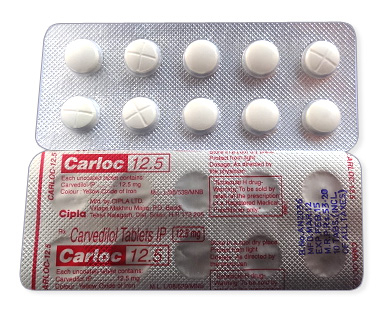
Latest Research Highlights On Propranolol In Canada And Internationally
- INN (International Nonproprietary Name): Propranolol.
- Brand names available in Canada (English): Inderal, Inderal LA, Detensol, Novo-Pranol.
- ATC Code: C07AA05.
- Forms & dosages: film-coated tablets 10 mg, 20 mg, 40 mg, 80 mg, 160 mg; prolonged-release capsules 60 mg, 80 mg, 120 mg, 160 mg; oral solution 5 mg/mL and 10 mg/mL; injectable 1 mg/mL.
- Manufacturers in Canada (English): Pfizer, AstraZeneca, Teva, and others listed in the product data.
- Registration status in Canada (English): Prescription only in most regions, with country-specific registration and provincial access rules.
- OTC / Rx classification: Rx in most countries.
Has propranolol really stood the test of time in modern care?
Recent 2022–2025 literature still supports propranolol hydrochloride as a useful beta-blocker for several established indications, especially cardiovascular control, migraine prophylaxis, essential tremor, anxiety symptoms, and infantile hemangioma.
The strongest evidence remains in cardiovascular practice and infantile hemangioma, while migraine prevention and tremor benefit are also well supported.
Use for anxiety symptoms is common in real-world practice, but in Canada it is often treated as situational and may be off-label depending on the indication and prescriber judgement.
What the data show is fairly consistent.
Propranolol can reduce symptoms effectively, but non-selective beta-blockade means safety screening matters, especially in patients with asthma, bradycardia, diabetes, or liver disease.
Adherence tends to be better when patients understand whether they are taking immediate-release tablets or a long-acting product such as Inderal LA.
Compared with selective beta-blockers like atenolol or metoprolol, propranolol remains distinctive because it crosses into the central nervous system more readily and is still preferred for migraine prophylaxis, tremor, and hemangioma in many care pathways.
In Canadian practice, Health Canada approval and provincial formularies shape how evidence is translated into daily use, so a medicine with decades of history can still matter when it remains effective, familiar, and affordable.
| Use Area | Evidence Strength | Canadian Practice Note |
|---|---|---|
| Cardiovascular indications | Strong | Commonly used with monitoring |
| Migraine prophylaxis | Strong | Established but often individualised |
| Essential tremor | Moderate to strong | Used when symptoms affect daily life |
| Anxiety symptoms | Moderate | Often situational and off-label |
| Infantile hemangioma | Strong | Specialist-directed dosing and monitoring |
Clinical Effectiveness In Canada: What Health Care Providers Use It For
What does propranolol actually get used for in Canadian clinics and pharmacies?
In practice, propranolol indications span both approved and commonly accepted off-label uses, and Canadian prescribers weigh benefit against its non-selective beta-blockade on a case-by-case basis.
It is a prescription medicine, so access usually starts with a family physician, cardiologist, paediatric specialist, or emergency physician, then continues with pharmacist monitoring and follow-up.
Canadian prescribing commonly includes:
- Hypertension.
- Angina pectoris.
- Cardiac arrhythmias.
- Migraine prophylaxis.
- Essential tremor.
- Hyperthyroidism or thyrotoxicosis symptom control.
- Anxiety symptoms, especially situational use.
- Infantile hemangioma under specialist care.
From a pharmacy guidance point of view, approved uses are the cardiovascular indications and other established therapeutic uses listed in product information, while some neurological and anxiety-related use may be off-label in Canada depending on the exact situation.
That distinction matters because a patient may hear that propranolol tablets help with performance anxiety, but the prescribing decision still needs to fit the person’s heart rate, breathing history, and other medicines.
Access can also depend on provincial drug plans or private insurance, even when the medicine itself is well established and widely recognised.
Propranolol Brand Names, Forms, And Canadian Product Landscape
Which propranolol product is actually in the bottle matters more than many people realise.
The international nonproprietary name is propranolol, and Canadian patients may see this as propranolol hydrochloride, propranolol HCl, or a brand such as Inderal depending on the supplier and strength.
Canadian references from the product data include Inderal, Inderal LA, Detensol, and Novo-Pranol, while Inderal LA is the familiar long-acting version.
Packaging and strengths vary by country, so patients should check the DIN and the exact label before assuming two products are interchangeable.
| Form | Strengths | Typical Use |
|---|---|---|
| Immediate-release tablets | 10 mg, 20 mg, 40 mg, 80 mg, 160 mg | Day-to-day dose titration |
| Extended-release capsules | 60 mg, 80 mg, 120 mg, 160 mg | Once-daily or simplified dosing |
| Oral solution | 5 mg/mL, 10 mg/mL | Paediatric or swallowing needs |
| Injectable hospital product | 1 mg/mL | Hospital use |
- Inderal.
- Inderal LA.
- Detensol.
- Novo-Pranol.
In Canadian retail practice, propranolol capsules and propranolol tablets may look similar across brands, but the release pattern is not the same.
That is why a switch from propranolol 40 mg immediate-release tablets to a prolonged-release capsule should always be confirmed by a pharmacist before the first dose is taken.
Contraindications And Special Precautions For Canadian Patients
Who should not take propranolol, or at least needs a very close review first?
The strongest safety findings are clear: propranolol should be avoided in asthma, severe chronic obstructive pulmonary disease, severe bradycardia, heart block greater than first degree unless a pacemaker is present, uncompensated heart failure, pheochromocytoma without an alpha-blocker, and known hypersensitivity to propranolol or its excipients.
Canadian clinicians also watch carefully for relative cautions such as diabetes, peripheral vascular disease, mild to moderate chronic bronchitis or emphysema, a history of anaphylaxis, and hepatic or renal impairment.
Warning points to keep in mind:
- Asthma can worsen because bronchospasm is a known propranolol side effect.
- Bradycardia and hypotension can become clinically important in older adults.
- Diabetes is a concern because propranolol may mask hypoglycaemia symptoms.
- Past anaphylaxis matters because response to epinephrine may be altered.
- Liver disease may require a lower dose because propranolol is extensively metabolised hepatically.
In Canada, older adults, rural patients with less frequent follow-up, and some Indigenous communities facing access barriers may need extra support with monitoring and dose changes.
That is one reason pharmacists and primary care teams are so important: they can catch risk factors before a problem starts, rather than after a Friday-evening refill goes wrong.
Dosage Guidelines: Canadian-Style Dosing, Titration, And Adjustment
How much propranolol is usually prescribed?
Dosing depends on the reason for treatment, the formulation, and the person’s age and organ function.
For hypertension, the supplied range is 40 mg two to three times daily, up to 320 mg per day.
For angina, the usual range is 40 to 80 mg two to three times daily.
For cardiac arrhythmias, the initial dose is 10 to 30 mg three to four times daily.
For migraine prophylaxis, the range is 80 to 160 mg per day in divided doses.
For essential tremor, 40 mg twice daily is a common starting point, with titration up to 320 mg per day.
For anxiety symptoms, 10 to 40 mg up to three times daily is commonly used.
For infantile hemangioma, paediatric dosing is 1 to 3 mg/kg/day in two to three divided doses, with careful titration and specialist monitoring.
| Indication | Typical Adult Dose | Adjustment Note |
|---|---|---|
| Hypertension | 40 mg 2–3 times daily | May increase to 320 mg/day |
| Migraine prophylaxis | 80–160 mg/day | Review after several months |
| Essential tremor | 40 mg twice daily | Titrate as needed |
| Anxiety | 10–40 mg up to 3 times daily | Often situational |
| Infantile hemangioma | 1–3 mg/kg/day | Specialist-led dosing |
Children are dosed by weight, the elderly usually start lower, renal impairment usually does not require a formal adjustment but the lowest effective dose is preferred, and hepatic impairment calls for dose reduction and close monitoring.
A few titration tips help a lot:
- Use the exact product and strength prescribed, especially with propranolol HCl tablets.
- Do not split modified-release capsules unless a prescriber or pharmacist specifically says so.
- Check with a pharmacist before switching between propranolol tablets and propranolol capsules.
- Keep the dose schedule consistent so blood pressure and symptom control stay steady.
For long-term conditions, treatment is often continuous, while situational anxiety may be taken only before exposure.
Drug And Lifestyle Interactions Relevant To Canadian Daily Life
What gets people into trouble with propranolol most often?
Interactions are a big part of the answer, especially when a patient is also taking blood pressure medicines, antiarrhythmics, diabetes treatments, asthma inhalers, or over-the-counter cold products.
The main concern in diabetes is masking hypoglycaemia, since propranolol can blunt warning signs such as tremor or palpitations.
Bronchospasm risk is another major issue, particularly in asthma or reactive airway disease.
Pharmacy-led medication review matters because patients may use prescriptions from different clinics, over-the-counter products bought at Canadian chains, or natural health products from cross-border online sellers.
| Interaction Type | Why It Matters | Practical Advice |
|---|---|---|
| Other blood-pressure medicines | May increase low pulse or low blood pressure | Monitor symptoms and readings |
| Diabetes medications | Hypoglycaemia warning signs may be masked | Watch for sweating, confusion, or weakness |
| Asthma inhalers and lung disease | Bronchospasm risk can rise | Review suitability before starting |
| Alcohol | May worsen dizziness or fatigue | Use caution until response is known |
The prescription-only context is important here because propranolol should not be casually mixed with other medicines without a proper medication review.
That includes purchases from US pharmacies or online sellers, since a product may look familiar but still be the wrong strength or formulation.
Cultural Perceptions And Patient Habits In Canada
Why do so many Canadians feel comfortable with propranolol?
Part of the answer is simple familiarity.
It is an older medicine, trusted by many prescribers, and often discussed in patient forums for performance anxiety, migraine, tremor, and other “situational” symptoms.
Patients also notice practical things such as bilingual labelling, provincial drug coverage, and quick access to pharmacists.
That combination tends to build trust, especially when someone has used the same brand for years and knows what to expect.
- Anxiety symptoms often drive short-term use.
- Migraine prevention usually feels like a long game.
- Tremor control can change daily confidence quickly.
- Brand availability influences whether people stay on therapy.
Urban patients may have more pharmacy choice and specialist follow-up, while rural patients often rely on mail-order services or the local dispensing pharmacy.
Neither setting is better by default, but the access path can shape adherence and expectations.
A patient asking about propranolol Canada on a community forum is often asking a very human question: “Will this help me feel normal at work, on stage, or in public?”
That is a fair question, and the answer is best given without stigma and with enough clinical detail to keep the person safe.
Availability And Pricing Patterns Across Canadian Pharmacies
Where do Canadians actually get propranolol?
Most people access it through a prescription at chains such as Shoppers Drug Mart, Rexall, Jean Coutu, and London Drugs, as well as local independent pharmacies and online Canadian pharmacies.
Availability can vary by DIN, province, and strength, and long-acting versions may be less consistent than standard tablets.
Provincial drug plans such as Ontario Drug Benefit, BC PharmaCare, and RAMQ may cover propranolol differently depending on brand, generic substitution, and indication.
Private insurance often changes the final out-of-pocket cost more than the list price does.
| Access Channel | Typical Availability | Patient Consideration |
|---|---|---|
| Large chain pharmacies | Usually good | May substitute by DIN |
| Independent pharmacies | Usually good | Personal counselling is often strong |
| Hospital pharmacies | For inpatient use | Injectable product may be stocked |
| Online Canadian pharmacies | Variable | Check legitimacy and product details |
In our online pharmacy, propranolol is available without a prescription, with discreet delivery to Canada in 5 to 14 days.
Cross-border comparison still matters because some Canadians look to the United States for perceived savings, but access rules, insurance, and prescription requirements can change the real cost quickly.
Rural delivery and stock variability matter most for less common strengths and long-acting capsules.
If a refill is time-sensitive, it is worth calling ahead before relying on a drive across town.
Canadian Coverage: Dins, Formularies, And Health Canada Context
How does propranolol fit into the Canadian regulatory system?
Health Canada approval means the medicine has been reviewed for safety, quality, and effectiveness for its authorised use in Canada.
The DIN, or Drug Identification Number, is the product code pharmacists and patients can use to confirm the exact legitimate item being dispensed.
That matters because propranolol Canada coverage may differ across Ontario Drug Benefit, BC PharmaCare, and RAMQ, especially for branded products versus generics or for certain use cases.
A prior authorisation or special coverage review may be needed when a plan wants extra confirmation of the indication or the exact formulation.
- Health Canada
- The federal authority that reviews and authorises medicines in Canada.
- DIN
- The identifier used to confirm a specific drug product and strength.
- Formulary
- The list of medicines a public drug plan may cover, with conditions.
Bilingual packaging and consistent Canadian standards support safety, but the pharmacy label is still the final word on which propranolol tablets or propranolol capsules a patient should take.
Comparable Medicines And When Canadians May Prefer An Alternative
Is propranolol always the best beta-blocker?
Not always.
Canadian alternatives include atenolol, metoprolol, bisoprolol, and carvedilol, and the best choice depends on the reason for treatment and the patient’s lung and heart history.
Propranolol stays preferred for some uses because it is non-selective and has central nervous system penetration, which helps explain its role in migraine prevention, essential tremor, and infantile hemangioma.
| Medicine | Main Type | Typical Reason To Choose It |
|---|---|---|
| Propranolol | Non-selective beta-blocker | Migraine, tremor, hemangioma |
| Atenolol | Selective beta-1 | Heart-related use when lung caution matters |
| Metoprolol | Selective beta-1 | Cardiac indications with beta-1 selectivity |
| Bisoprolol | Selective beta-1 | Focused cardiac control |
| Carvedilol | Non-selective with alpha blocking | Selected heart failure or blood pressure situations |
Pros and cons are easiest to remember this way.
- Propranolol strengths: broad use, familiar dosing, useful for migraine and tremor.
- Propranolol limits: asthma warning, masking of hypoglycaemia, more interaction checks.
- Selective beta-blocker strengths: often preferred when airway disease is a concern.
- Selective beta-blocker limits: not always the best fit for tremor or hemangioma.
In Canadian practice, the best medication is usually the one that fits the diagnosis, the comorbidities, and the person’s ability to stay on therapy.
Frequently Asked Questions About Propranolol In Canada
Can I get propranolol in Canada without a prescription?
Propranolol is generally prescription only in Canada and most other regions, although access policies can vary by pharmacy and jurisdiction.
What if I miss a dose of propranolol?
Take it as soon as you remember unless it is close to the next dose.
Do not double up.
Is propranolol safe with asthma?
No, asthma is an absolute contraindication because propranolol can cause bronchospasm.
Why did my pharmacy switch brands?
That usually comes down to DIN availability, stock, or formulary rules, but the strength and release type still need to match the prescription.
Does my provincial plan cover it?
Coverage varies by province, product, and indication, so the pharmacy should check the plan details before dispensing.
Guidelines For Proper Use And Pharmacy Counselling In Canada
What do Canadian pharmacists usually want patients to remember before leaving the counter?
Take propranolol at the same time every day if it is prescribed on a regular schedule.
Do not double a dose if one is missed.
Store it below 25°C and keep it protected from light and moisture, ideally in the original packaging.
Know the warning signs of overdose: bradycardia, hypotension, bronchospasm, hypoglycaemia, and possible seizures.
If chest symptoms, severe dizziness, wheezing, or low blood sugar symptoms occur, urgent help is needed.
A few counselling points make day-to-day use safer:
- Switching between immediate-release and extended-release products should be supervised.
- Abrupt discontinuation should be avoided unless a prescriber advises it.
- Alcohol can worsen dizziness or fatigue.
- Missed-dose instructions should be reviewed before the first refill.
- Hospital injectable propranolol is a separate setting and not a home product.
For many Canadians, the easiest access point is still the pharmacy, especially where family doctor appointments are limited.
That makes pharmacist advice a practical part of propranolol counselling, not just a nice extra.
Delivery Across Canada (English)
| City | Region | Delivery time |
|---|---|---|
| Toronto | Ontario | 5-7 days |
| Ottawa | Ontario | 5-7 days |
| Hamilton | Ontario | 5-7 days |
| Mississauga | Ontario | 5-7 days |
| Calgary | Alberta | 5-7 days |
| Edmonton | Alberta | 5-7 days |
| Vancouver | British Columbia | 5-7 days |
| Victoria | British Columbia | 5-7 days |
| Winnipeg | Manitoba | 5-7 days |
| Regina | Saskatchewan | 5-7 days |
| Saskatoon | Saskatchewan | 5-7 days |
| Halifax | Nova Scotia | 5-7 days |
| Québec City | Quebec | 5-7 days |
| Moncton | New Brunswick | 5-9 days |
| St. John's | Newfoundland and Labrador | 5-9 days |