Tretinoin Cream
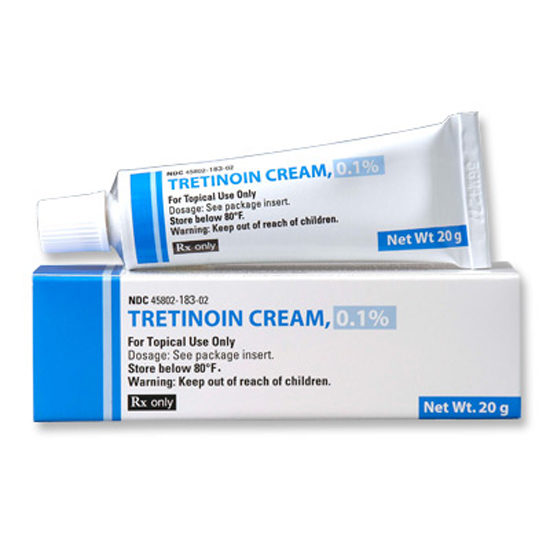
Tretinoin Cream
- In some online pharmacies in Canada, tretinoin cream may be offered without a prescription; however, in most countries and for standard legal supply, it is prescription-only (Rx). Availability and delivery depend on local regulations and the pharmacy.
- Tretinoin cream is used for acne vulgaris and, in some cases, photoaging and fine wrinkles. It is a topical retinoid that helps normalise skin cell turnover, unclog pores, and reduce inflammation.
- The usual dose is to apply a thin layer once daily, usually at night, to the affected skin. Common strengths are 0.025%, 0.05%, and 0.1%.
- The form of administration is topical cream applied to the skin.
- The effect usually starts gradually; some improvement may be seen in 2–4 weeks, but full benefit typically takes 6–12 weeks.
- The duration of action is about 24 hours, which is why it is generally used once daily.
- Alcohol does not have a known direct interaction with topical tretinoin cream, but heavy drinking can worsen skin irritation and dryness, so use with caution.
- The most common side effects are skin redness, peeling, dryness, burning, itching, and increased sensitivity to sunlight.
- Would you like to try tretinoin cream without a prescription?
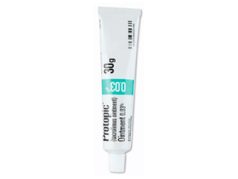
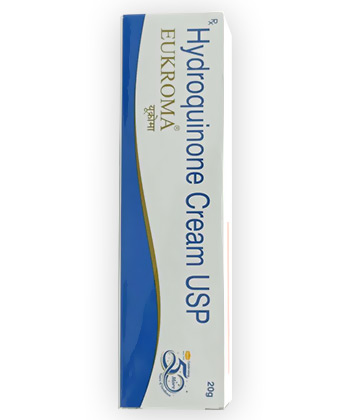
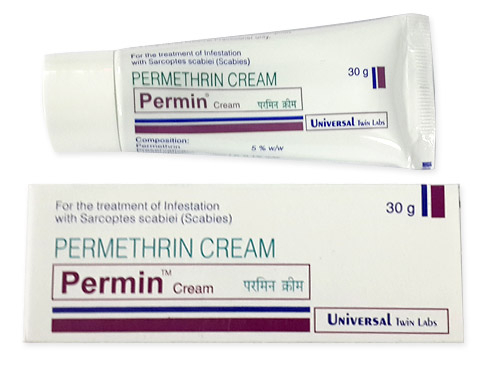
Basic Tretinoin Cream Information
- INN (International Nonproprietary Name): Tretinoin
- Brand Names Available In Canada (English): Not specified
- ATC Code: D10AD01
- Forms & Dosages: Cream 0.025%, 0.05%, 0.1% in 20 g or 30 g tubes; gel 0.01%, 0.025%, 0.05% in 15 g, 20 g, or 30 g tubes; lotion 0.05% in a 45 g bottle; capsules 10 mg for oral use in APL
- Manufacturers In Canada (English): Not specified
- Registration Status In Canada (English): Health Canada-endorsed for dermatologic use; prescription-only in nearly all markets
- OTC / Rx Classification: Prescription-only (Rx) in nearly all markets
Latest Research Highlights: Canadian And International Evidence, 2022–2025
What keeps tretinoin cream at the top of acne and photoaging care, even with newer options on the shelf?
Recent dermatology reviews and comparative studies continue to place topical tretinoin among the most effective retinoids for comedonal acne and texture improvement.
The consistent message is that efficacy is strong, but irritation control and adherence are what decide real-world results.
That matters in tretinoin Canada, where patients often start in winter, when dry air and indoor heating can make a prescription retinoid cream harder to tolerate.
International evidence supports nightly use for most patients, with tretinoin remaining the globally recognised INN and ATC D10AD01 topical retinoid for acne treatment.
Canadian prescribing is still practical and conservative, with family physicians, dermatologists, and pharmacists helping patients titrate from lower strengths when needed.
| Finding | What It Means In Practice | Comparison With Adapalene / Tazarotene |
|---|---|---|
| Efficacy | Strong for acne vulgaris and useful for photoaging treatment | Similar class effect; choice often depends on tolerance and access |
| Tolerability | Dryness, peeling, and irritation are common, especially at higher strengths | Adapalene is often better tolerated; tazarotene can be more irritating |
| Onset Of Benefit | Usually judged after 6–12 weeks of regular use | Comparable timeline, but some patients stop too early because of irritation |
| Best Use Case | Nightly acne control, maintenance therapy, and long-term skin smoothing | Adapalene may suit sensitive skin; tazarotene is usually reserved for selected cases |
Data Highlight: The usual evaluation window is 6–12 weeks, and the 0.1% strength has a higher irritation risk than lower-strength options.
Clinical Effectiveness In Canada: What Health Canada-Style Use Means In Practice
How does tretinoin fit into everyday Canadian acne care?
It fits best when prescription access, counselling, and follow-up are treated as part of the therapy, not an afterthought.
Topical tretinoin is Rx-only in nearly all markets, and Canadian patients are usually started on a lower strength to reduce irritation and improve adherence.
That is why a pharmacist will often reinforce the same basics at the counter: thin layer, nightly use, dry skin, and patience.
Patients also ask whether the product has a DIN, especially when comparing pharmacy listings or cross-border options, and that detail matters for Canadian dispensing and plan claims.
Coverage can vary by province and by listed formulation, including Ontario Drug Benefit, BC PharmaCare, and RAMQ, so the brand and indication can affect the final out-of-pocket cost.
- Topical retinoid
- A vitamin A–derived acne medicine applied to the skin to help unclog pores and support cell turnover.
- DIN
- Drug Identification Number, the Canadian identifier used on approved medication products.
- Maintenance therapy
- Ongoing use after improvement to help keep acne from returning.
In practical terms, tretinoin cream usually improves comedonal acne, smooths texture, and reduces inflammatory lesions over time, but it works more slowly than quick-fix acne products.
Indications And Expanded Uses: Approved, Off-Label, And Dermatology Reality
Most people start here because they want help with acne, but what else is tretinoin actually used for?
The main approved use is acne vulgaris.
Expanded dermatology use includes photoaging, fine wrinkles, and texture improvement, depending on the product and prescriber judgement.
In some regions, 0.05% cream is used once daily for photoaging, and that is the concentration many patients recognise from Retin-A anti-aging cream discussions online.
- Approved use: Acne vulgaris with once-daily nightly topical treatment.
- Common off-label dermatology use: Photoaging treatment, fine wrinkles, and skin texture refinement.
- Non-dermatologic oral use: Acute promyelocytic leukaemia treatment under oncology supervision; this is a separate medicine use, not a cosmetic substitute.
Family doctors in Canada often prescribe tretinoin for acne, while dermatologists are more likely to guide off-label photoaging treatment and irritation management.
People with sensitive skin, eczema history, or dry Prairie winters often need a slower introduction and more moisturiser support.
Canadian counselling also tends to include bilingual labelling awareness, because clear instructions help reduce misuse and improve routine consistency.
Composition And Brand Landscape: Cream, Gel, Lotion, And Global Product Names
Is tretinoin cream different from tretinoin gel, or is it mostly packaging?
The active ingredient is the same: tretinoin, the INN recognised internationally for both topical and oral forms.
The difference is the vehicle, strength, and feel on the skin, which can change comfort and adherence quite a bit.
Common topical forms include cream, gel, and lotion, with the cream often preferred in Canadian winter climates because it is generally less drying than gel.
International brand names include Retin-A, Retacnyl, Avita, Atralin, and Acnatac, although Canadian products may be sold under different DIN-listed names.
| Form | Typical Feel | Best-Fit Skin Type |
|---|---|---|
| Cream | More moisturising and generally easier to tolerate | Normal to dry skin, or anyone starting tretinoin in winter |
| Gel | Lighter but often more drying | Oilier skin or patients who prefer a fast-drying finish |
| Lotion | Spreadable and lightweight | Patients who want a less heavy texture |
Packaging and labelling vary by country, and Canadian consumers may see bilingual English/French instructions and pharmacy-specific stock limits.
If someone says “Retin-A,” the brand cue helps, but the active ingredient and DIN matter more than the marketing.
Contraindications And Special Precautions: Pregnancy, Eczema, And Sensitive Skin
What is the biggest safety concern with tretinoin?
Pregnancy comes first.
Topical tretinoin is generally contraindicated in pregnancy in many settings, and oral tretinoin is especially high risk.
Known hypersensitivity to tretinoin or excipients, eczema-prone skin, sunburned skin, and severely irritated skin are also reasons to pause and speak with a clinician.
- Absolute contraindications
- Pregnancy, known hypersensitivity, and use on eczematous, sunburned, or severely irritated skin.
- Relative contraindications
- Planning pregnancy, breastfeeding, a history of eczema, highly sensitive skin, or concurrent use of other topical irritants or keratolytics.
Canadian patients often ask pharmacists whether tretinoin is safe during pregnancy, and the conservative answer is to check with a prescriber first.
That caution matters even more for people using several actives at once, because irritation can stack up quickly.
Older adults may not need a formal dose change, but thinner skin can make them more irritation-prone.
For rural or remote patients, including some Indigenous communities where access and continuity can be harder, respectful and culturally safe counselling matters more than blanket advice.
Data Highlight: The common irritation profile includes redness, peeling, dryness, burning, itching, photosensitivity, and sometimes an acne flare in the first few weeks.
Dosage Guidelines: Canadian Starting Strategies, Titration, And Duration
What does a sensible start look like in Canada?
Usually, it means low and slow.
Acne is typically treated with a thin layer once nightly, and common strengths are 0.025%, 0.05%, and 0.1% creams or gels.
For first-time retinoid users, starting lower and increasing only if tolerated is common clinical practice, especially in winter.
| Indication | Strength | Frequency | Expected Onset | Who Should Start Low |
|---|---|---|---|---|
| Acne vulgaris | 0.025%, 0.05%, 0.1% | Once nightly | 6–12 weeks | Most new users |
| Photoaging | Usually 0.05% | Once nightly | 6–12 weeks and beyond | Sensitive or dry skin |
| Oral APL use | 45 mg/m²/day in two divided doses | Oncology-directed | Specialist protocol | Specialist supervision only |
Children over 12 may use lower strengths under specialist care, and older adults usually do not need a dose adjustment, although they may be more irritation-prone.
Apply to dry skin, use only a pea-sized amount, and consider alternate-night initiation if the prescriber recommends it.
Pharmacists dispensing under Ontario Drug Benefit, BC PharmaCare, or RAMQ claims often reinforce these steps before the patient leaves the pharmacy.
Interactions Overview: What Conflicts Matter In Everyday Canadian Use
What usually causes problems is not food or drink.
It is the skincare routine around tretinoin.
Layering too many irritants can turn a good acne plan into a very dry one.
- Over-washing or scrubbing the face.
- Using salicylic acid or glycolic acid at the same time without advice.
- Applying alcohol-heavy toners.
- Waxing on treated areas.
- Mixing tretinoin with other harsh acne products too quickly.
Benzoyl peroxide timing matters as well, and a pharmacist can help sequence products so the routine is workable.
Canadian winter conditions make this even more important, because cold weather, indoor heating, hockey rink exposure, and snow glare can all worsen irritation and photosensitivity.
For oral tretinoin, interaction management is much more complex and specialist-led.
Data Highlight: Dry, irritated skin becomes much more likely when tretinoin is combined with aggressive cleansing, exfoliating acids, or frequent shaving.
Cultural Perceptions And Patient Habits: Canadian Experience, Forums, And Adherence
How do Canadians usually describe tretinoin?
As slow, helpful, and a bit demanding.
Patient forums and Reddit Canada-style discussions often talk about purging, dryness, and whether the results are worth the prescription cost, but those are anecdotes rather than evidence.
Adherence drops when expectations are poor, especially if someone thinks it should work fast.
- “It should work fast.” It usually does not; the normal assessment window is weeks, not days.
- “More is better.” A pea-sized amount is usually enough.
- “It only matters for acne.” It is also used for photoaging and texture improvement.
- “It is the same as adapalene.” They are related, but tolerance, access, and preference can differ.
Canadians often value pharmacist access and public coverage, but out-of-pocket costs still matter when formulary status changes from one province to another.
Urban patients may see a dermatologist sooner, while rural patients may rely on family doctors, telehealth, or mail-order pharmacies.
For anyone comparing options online, clear English/French counselling is a real advantage because it reduces misuse and helps routines stick.
In our online pharmacy, tretinoin cream is available without a prescription, with discreet delivery to Canada in 5–14 days.
Availability And Pricing Patterns: Pharmacies, Online Access, And Cross-Border Comparisons
Where do Canadians usually get tretinoin?
Most often through a prescription at major chains such as Shoppers Drug Mart, Rexall, Jean Coutu, and London Drugs, as well as independent pharmacies and legitimate online Canadian pharmacies.
Availability can vary by province, stock, brand, and DIN, so the product a patient finds in one city may not be the same one available elsewhere.
| Access Channel | Pros | Insurance Or Coverage Notes |
|---|---|---|
| Major pharmacy chains | Reliable counselling and substitution options | Coverage depends on province and listed formulation |
| Independent pharmacies | Personal service and local follow-up | May special-order certain strengths |
| Legitimate online Canadian pharmacies | Convenience and discreet ordering | Useful when rural access is limited |
| Cross-border US listings | Helpful for comparison shopping | Prescription validity, import rules, and product differences matter |
Patients often compare Canadian prices with US Retin-A listings, but provincial coverage, generic availability, or pharmacist substitution can offset the gap.
Tube size, brand, and whether the product is a cream or gel also change the final price.
Rural and remote communities may face longer waits or limited brand choice, which is why mail-order access can be useful.
Data Highlight: A lower sticker price is not always the cheaper option once coverage, tube size, and dispensing fees are included.
Comparable Medicines And Preferences: Adapalene, Tazarotene, And Isotretinoin
Is tretinoin the only good retinoid choice?
No, and that is why comparisons come up so often.
Adapalene, tazarotene, and isotretinoin all have a place, but they are not interchangeable.
| Medicine | Access | Irritation | Pregnancy Precautions | Typical Preference |
|---|---|---|---|---|
| Tretinoin | Prescription-only in nearly all markets | Moderate to high, especially at 0.1% | Avoid in pregnancy | Long-term acne control and photoaging treatment |
| Adapalene | Low strengths may be OTC in some markets | Often better tolerated | Still requires caution | Sensitive skin or easier access |
| Tazarotene | Prescription topical retinoid | Often more irritating | Strict precautions | Selected acne or dermatology cases |
| Isotretinoin | Oral, prescription-only, tightly regulated | Systemic side effects | High teratogenic risk | Severe acne under specialist care |
Some patients tolerate adapalene better, while others prefer tretinoin for long-term texture and acne control.
The best choice depends on skin type, prior irritation, and prescription coverage, not just online popularity or a forum recommendation.
Frequently Asked Questions About Tretinoin Cream
How long does tretinoin cream take to work?
Most patients are assessed after 6–12 weeks, and some people need longer for full benefit.
Can I use tretinoin in winter in Canada?
Yes, but winter dryness is common, so moisturiser support and lower-frequency use are often needed at the start.
Is tretinoin covered by OHIP, BC PharmaCare, or RAMQ?
Coverage varies by province, eligibility, and DIN-listed product.
What is the difference between tretinoin and adapalene?
Both are topical retinoids, but adapalene is often better tolerated, while tretinoin has long-standing use for acne and photoaging.
Can I buy tretinoin over the counter in Canada?
It is generally prescription-only, so ask a clinician or pharmacist before starting.
Guidelines For Proper Use: Pharmacist Tips, Skin Care Routine, And Storage
What works best with tretinoin is a simple, repeatable routine.
Most skin problems come from using too much, too often, or with too many other actives.
- Wash gently and pat the skin dry.
- Wait until the skin is fully dry before applying.
- Use a pea-sized amount for the whole face unless directed otherwise.
- Avoid the eyes, corners of the mouth, and broken skin.
- Follow with a moisturiser if your prescriber or pharmacist recommends it.
- Use sunscreen every day, especially with Canadian snow glare and outdoor exposure.
Storage is straightforward: keep it below 25°C, avoid freezing, protect it from light and moisture, and keep the tube tightly closed.
Topical overdose usually means more irritation, while oral overdose is urgent and needs immediate medical attention.
Pharmacists at Shoppers Drug Mart, Rexall, Jean Coutu, or London Drugs commonly reinforce these points at dispensing.
Data Highlight: Irritation is usually reduced by lower frequency, moisturiser buffering, and consistent sunscreen use.
If side effects become severe, contact a prescriber or pharmacist rather than stopping without advice when possible.
Delivery Across Canada (English)
| City | Region | Delivery time |
|---|---|---|
| Toronto | Ontario | 5-7 days |
| Montreal | Quebec | 5-7 days |
| Vancouver | British Columbia | 5-7 days |
| Calgary | Alberta | 5-7 days |
| Ottawa | Ontario | 5-7 days |
| Edmonton | Alberta | 5-7 days |
| Winnipeg | Manitoba | 5-7 days |
| Quebec City | Quebec | 5-7 days |
| Hamilton | Ontario | 5-7 days |
| Kitchener | Ontario | 5-9 days |
| London | Ontario | 5-9 days |
| Halifax | Nova Scotia | 5-7 days |
| St. John’s | Newfoundland and Labrador | 5-9 days |
| Saskatoon | Saskatchewan | 5-9 days |