{{ __('Your cart') }}0
0,00 $
0
items
0,00 $
Fungal infections are common health conditions that affect millions of Canadians each year. These infections occur when fungi invade the body and multiply in areas where they shouldn't be present. Fungal infections can range from minor skin conditions to serious systemic diseases that require immediate medical attention. Understanding how these infections develop and spread is the first step toward effective treatment and prevention.
Fungi are naturally occurring microorganisms found in soil, water, and air. While most fungi are harmless, certain types can cause infections in humans, particularly when the immune system is weakened or when conditions allow fungal growth. Risk factors for fungal infections include warm and moist environments, poor hygiene, weakened immunity, and prolonged antibiotic use. Common types of fungal infections include athlete's foot, candidiasis, ringworm, and toenail fungus. Each type requires different treatment approaches and antifungal medications. The severity of fungal infections can vary greatly, from superficial skin conditions to deep tissue and organ infections that pose serious health risks.
Antifungal medications work by targeting the fungal cell wall or interfering with fungal cell metabolism. There are several classes of antifungal drugs available in Canada, each with specific uses and effectiveness profiles. Understanding these different types helps patients and healthcare providers choose the most appropriate treatment for their condition.
Topical antifungals are applied directly to the skin and are used for surface infections. These include creams, ointments, and lotions containing ingredients like miconazole, clotrimazole, and terbinafine. Topical antifungals are effective for athlete's foot, jock itch, and fungal skin rashes. They typically have minimal side effects since absorption through the skin is limited.
Oral antifungals are taken by mouth and treat more serious or widespread fungal infections. These systemic medications enter the bloodstream and reach infected areas throughout the body. Oral antifungals are prescribed for nail fungus, oral thrush, and systemic fungal infections. They require careful monitoring due to potential side effects and drug interactions.
Antifungal powders are used for prevention and management of moisture-prone areas. These are commonly used in skin folds and between toes to keep areas dry and prevent fungal growth. Powders are often recommended as maintenance therapy after initial treatment with creams or oral medications.
Several antifungal medications are readily available in Canadian pharmacies, both over-the-counter and by prescription. Knowing which medications are available helps patients understand their treatment options.
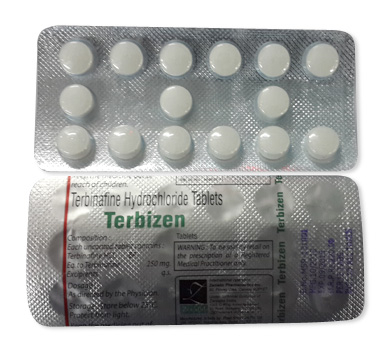
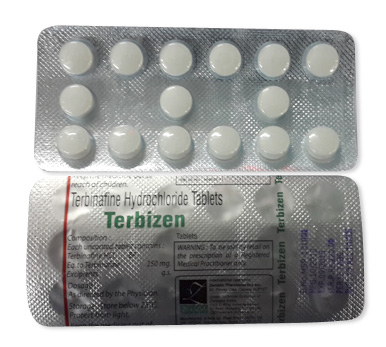
Terbinafine is one of the most commonly prescribed antifungals in Canada. Available as Lamisil, terbinafine comes in cream form for topical use and tablets for oral treatment. It is highly effective against toenail fungus and athlete's foot. Terbinafine is often the first choice for fungal nail infections because of its effectiveness and relatively short treatment duration.
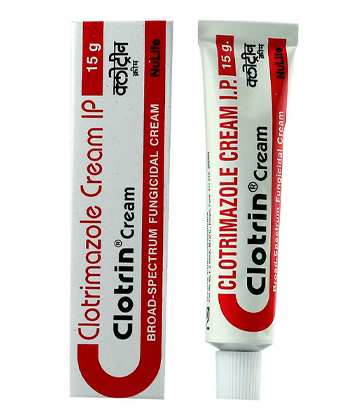
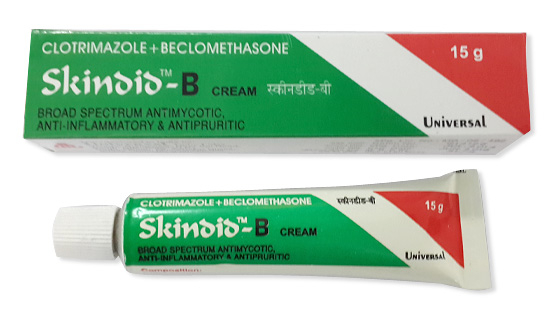
Miconazole and clotrimazole are azole antifungals available over-the-counter in various brands. These are found in products like Canesten and other generic formulations. They are effective for yeast infections, athlete's foot, and ringworm. These medications are available as creams, lotions, and vaginal treatments.
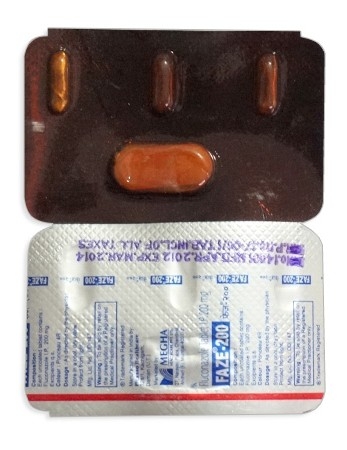
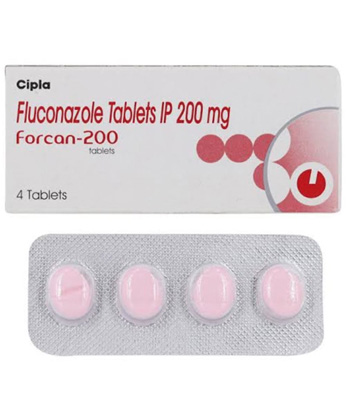
Fluconazole is an oral antifungal prescription medication used for serious fungal infections, including candidiasis and other systemic infections. It is known by brand names like Diflucan and is often prescribed for vaginal yeast infections when topical treatments are insufficient.
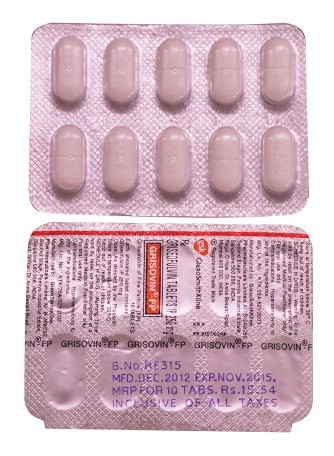
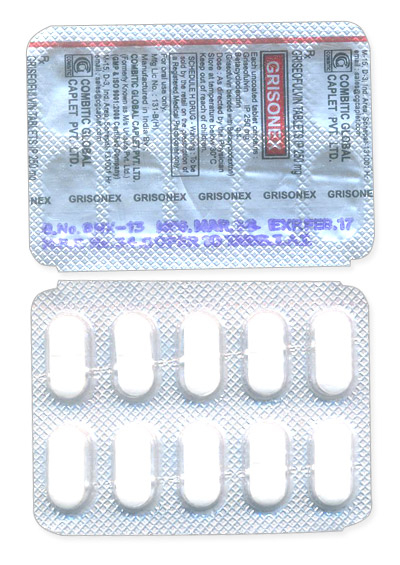
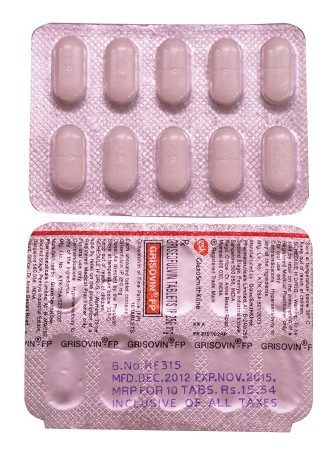
Griseofulvin is a prescription antifungal used for severe fungal infections affecting hair and nails. While less commonly used than newer antifungals, it remains an option for specific fungal conditions. Ketoconazole is available as a topical cream for fungal skin infections and as shampoo for fungal scalp conditions, available in various Canadian pharmacies under different brand names.
Different fungal infections require different treatment approaches and medication choices. Understanding how specific conditions are treated helps patients manage their infections effectively.
Athlete's foot and ringworm typically respond well to topical antifungals like terbinafine or miconazole. Most cases can be treated with over-the-counter creams applied twice daily for two to four weeks. If the infection is severe or doesn't improve with topical treatment, oral antifungals may be recommended.
Candida yeast infections are among the most common fungal infections in Canada. Vaginal yeast infections are treated with topical creams like miconazole or clotrimazole, or with single-dose oral fluconazole. Oral thrush is treated with clotrimazole lozenges or oral fluconazole.
Toenail and fingernail fungus requires more aggressive treatment than surface infections. Terbinafine oral tablets are typically prescribed for twelve weeks, or longer for toenails. Topical antifungal nail lacquers like amorolfine may be used alongside oral medication to improve results.
Fungal scalp infections are treated with medicated shampoos containing ketoconazole or zinc pyrithione, combined with oral antifungals for more severe cases. Treatment duration typically ranges from six to twelve weeks.
Proper use of antifungal medications is essential for effective treatment and minimizing side effects. Patients should follow specific guidelines when using these medications.
Consistency and duration are critical for success. Fungal infections are stubborn and may appear to improve before the fungus is completely eliminated. Stopping treatment too early can result in infection recurrence. Prevention during treatment includes keeping affected areas clean and dry, wearing breathable clothing, and avoiding sharing personal items like towels and nail clippers.
Preventing fungal infections is often easier than treating them. Several preventive measures can reduce your risk of developing fungal infections in Canada's varied climate.
Keep skin dry in moisture-prone areas like between toes, under breasts, and in skin folds. Change out of wet clothing promptly, especially after exercise or swimming. Use antifungal powder in areas prone to moisture. Maintain good hygiene by washing regularly with soap and water, especially after exercise. Trim nails properly and avoid injury to nail beds. Use clean towels and don't share personal grooming tools. Wear appropriate footwear in public areas like gyms, swimming pools, and change rooms. Shower shoes help prevent athlete's foot and other foot infections. Choose breathable shoes and moisture-wicking socks to keep feet dry throughout the day.
See a healthcare provider if infections are severe, widespread, or don't improve with over-the-counter treatment after two weeks. Seek immediate advice if you develop signs of systemic fungal infection, including fever or persistent symptoms. Immunocompromised patients should consult healthcare providers before using any antifungal medication. Pregnant women should discuss antifungal options with their healthcare provider to ensure safety for both mother and baby. Your pharmacist can also provide valuable guidance on selecting appropriate treatments and ensuring safe use of antifungal medications.