Fluconazole
Fluconazole
- You can buy fluconazole in many pharmacies and online medical stores in Canada, and it is usually a prescription-only (Rx) medicine; however, availability without a prescription may vary by seller and local regulations.
- Fluconazole is used to treat and prevent fungal infections, especially infections caused by Candida and Cryptococcus. It works by inhibiting fungal ergosterol synthesis through blocking the fungal cytochrome P450 enzyme 14-alpha-demethylase, which weakens the fungal cell membrane.
- The usual dose depends on the infection: vaginal candidiasis is often treated with a single 150 mg oral dose; other infections may require 100–400 mg daily, and severe systemic infections may require 400–800 mg daily as directed by a clinician.
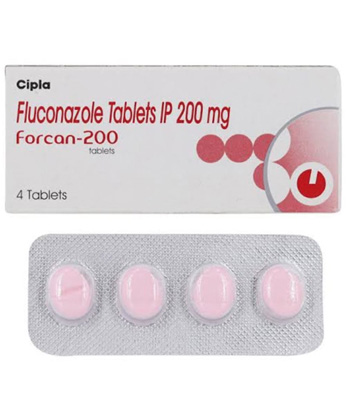
- Fluconazole is available as capsules/tablets, oral suspension, and intravenous (IV) solution or infusion.
- Fluconazole usually starts working within a few hours after taking it, but symptom improvement may take 1–3 days or longer depending on the type and severity of the infection.
- The duration of action is about 24 hours, which is why it is commonly taken once daily; some infections require treatment for a single day, while others need several days to weeks of therapy.
- Alcohol is not strictly contraindicated, but it is best to avoid or limit alcohol while taking fluconazole because both can increase the risk of stomach upset and may place extra strain on the liver.
- The most common side effects are nausea, abdominal pain, diarrhea, headache, rash, and elevated liver enzymes.
- Would you like to try fluconazole without a prescription?
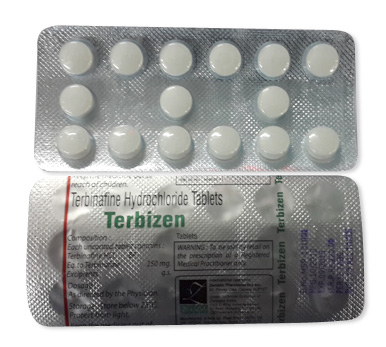
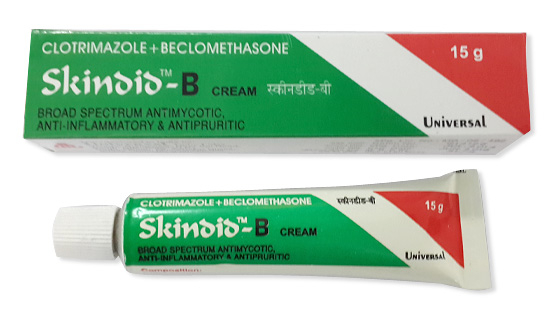

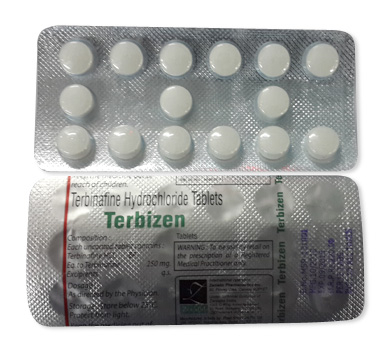
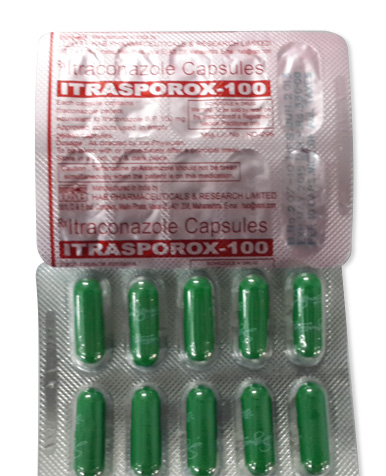
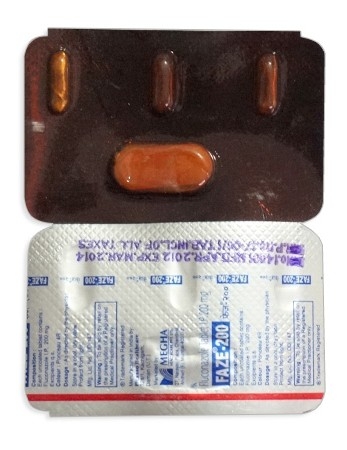
Latest Research Highlights On Fluconazole
Basic Fluconazole Information
- INN (International Nonproprietary Name): Fluconazole
- Brand names available in Canada (English): Diflucan; generic fluconazole products may appear under different manufacturer names and DINs
- ATC Code: J02AC01
- Forms & dosages: capsules/tablets 50 mg, 100 mg, 150 mg, 200 mg; oral suspension 10 mg/mL, 40 mg/mL; IV solution 2 mg/mL, 200 mg/100 mL; infusion vial 200 mg, 400 mg
- Manufacturers in Canada (English): Pfizer, Teva, Apotex, Sandoz, Hospira, Baxter, and other approved suppliers depending on product and strength
- Registration status in Canada (English): approved by Health Canada
- OTC / Rx classification: prescription only (Rx)
Is fluconazole still a mainstay for fungal infections, even with newer agents on the market?
In Canadian practice, the answer is still yes for many common Candida and Cryptococcus infections.
Fluconazole, the WHO INN and systemic triazole antifungal with ATC code J02AC01, remains on the WHO List of Essential Medicines because it is practical, well studied, and widely used.
Recent literature from 2022 to 2025 continues to support its role in recurrent vulvovaginal candidiasis, oropharyngeal candidiasis, and selected invasive candidiasis cases, while also showing why resistance surveillance matters more than ever.
That includes rising azole resistance in some Candida species, the need for culture and susceptibility testing in harder cases, and careful monitoring for liver, renal, and ECG-related risks in higher-risk patients.
From a pharmacist’s perspective, the data still make fluconazole hard to replace for many uncomplicated infections because of its high oral bioavailability, once-daily dosing, and the fact that generic products remain broadly available in Canada.
A quick Canadian lens matters too.
Health Canada approval means the medicine is regulated and prescription-only, but real-world access still depends on provincial formulary rules, renal function, hepatic status, and whether the infection truly matches the drug.
| Study Type | Population | Key Outcome | Clinical Takeaway |
|---|---|---|---|
| Recent observational and review data | Women with recurrent vulvovaginal candidiasis | Good symptom control when dosing is matched to diagnosis and adherence | Useful for recurrence suppression when guided by a prescriber |
| Clinical practice reviews | Patients with oropharyngeal candidiasis | Reliable response with standard oral dosing | Still a core systemic antifungal in mucosal Candida treatment |
| Resistance monitoring reports | Mixed Candida isolates | More azole resistance in some settings | Culture is important when response is poor or recurrence is frequent |
| Safety surveillance | Older adults and polypharmacy patients | Interaction and ECG monitoring remain important | Review all medicines before dispensing |
Those findings should still be read alongside provincial formulary access and individual renal or hepatic risk.
Clinical Effectiveness In Canada
Where does fluconazole fit when someone walks into a Canadian pharmacy asking for help with a yeast infection or a mouth infection?
It fits best when the diagnosis is likely Candida and the treatment plan is straightforward.
In Canadian care pathways, that includes uncomplicated vaginal candidiasis, mucosal candidiasis, esophageal candidiasis, cryptococcal meningitis, and selected prophylaxis in high-risk patients.
Health Canada product monographs are the reference point for Canadian dispensing, and the DIN on the package should always be verified before supply.
That matters because the same molecule can be sold by different manufacturers, and the DIN, strength, and formulation determine what is actually dispensed.
Provincial coverage is another practical issue.
Ontario Drug Benefit, BC PharmaCare, and RAMQ can all use different criteria, special authority rules, and interchangeability policies.
- DIN
- The Drug Identification Number assigned to a specific Canadian drug product.
- Formulary
- The list of products a province or plan covers, often with conditions.
- Interchangeability
- Whether one product may be substituted for another equivalent product.
- Special authorization
- Extra approval required for coverage of certain uses or higher-cost regimens.
Many people expect universal healthcare to cover everything, but outpatient drug access still varies by province, private insurance, age, and income.
Standard adult regimens commonly used in Canada include fluconazole 150 mg as a single dose for vaginal candidiasis, 100 mg/day for oral candidiasis, and 200 to 400 mg/day for esophageal disease.
When the diagnosis is correct and the dose is followed, clinical response is usually predictable.
When symptoms are persistent, culture or another assessment may be needed before more tablets are used.
Pharmacists often see the difference between a first-time infection and something that keeps coming back, and that distinction changes treatment.
Indications And Expanded Uses
What is fluconazole actually used for, beyond the common “yeast infection pill” request?
Its approved and specialist uses cover several fungal infections, especially those caused by Candida and Cryptococcus species.
- Approved indications: vaginal candidiasis, oropharyngeal candidiasis, esophageal candidiasis, cryptococcal meningitis, systemic candidiasis, and prophylaxis in selected patients at risk.
- Commonly used specialist indications: suppression or management strategies in some immunocompromised patients, recurrent yeast infection management, and longer-course therapy directed by a prescriber.
- Situations that require confirmation by a prescriber: first episodes, pregnancy, diabetes, recurrent symptoms, severe illness, and any case where the cause of symptoms is uncertain.
Fluconazole is prescription-only and not OTC, so it is not something to self-start casually from a shelf.
That comes up often in Canadian pharmacies.
People may ask for a yeast infection pill on a Friday evening and hope for a quick fix, but pharmacists usually push for a medical assessment first when the symptoms are new, complicated, or persistent.
That caution is especially important in pregnancy, in people with diabetes, and in anyone who has repeated symptoms without a confirmed diagnosis.
Some symptoms that feel like yeast can also come from bacterial vaginosis or an STI, which is why the cause matters before treatment is chosen.
Composition And Brand Landscape
What’s on the box matters almost as much as what’s inside it.
Fluconazole is the active ingredient, and Diflucan is the best-known reference brand worldwide.
In Canada, generic fluconazole is also common, and the product name may vary by manufacturer and strength.
Shoppers may see Fluconazole Teva, Fluconazole Zentiva, or another generic label depending on the distributor and DIN.
| Dosage Form | Common Strengths | Example Brands |
|---|---|---|
| Capsules / Tablets | 50 mg, 100 mg, 150 mg, 200 mg | Diflucan, Teva, Zentiva, and other generic products |
| Oral Suspension | 10 mg/mL, 40 mg/mL | Local and generic products |
| IV Solution | 2 mg/mL, 200 mg/100 mL | Teva, Baxter, Hospira, Pfizer |
| Infusion Vial | 200 mg, 400 mg | Pfizer, Teva, generic suppliers |
Canadian pharmacy shelves can look different from one city to another.
Supply may vary by region, and a product seen at London Drugs, Rexall, Jean Coutu, or Shoppers Drug Mart in one province may not be the exact same DIN stocked elsewhere.
Bilingual labelling is standard in Canada, so packaging may show both English and French.
Choosing brand versus generic usually comes down to availability, cost, and prescriber preference.
For many patients, the generic option is the practical choice because the active ingredient is the same and the dose is straightforward.
Contraindications And Special Precautions
Before someone takes fluconazole, what absolutely needs to be screened?
The short answer is allergy, certain drug combinations, pregnancy status, and major organ risk.
- Absolute contraindications: hypersensitivity to fluconazole or other azole antifungals, severe QT-prolonging combinations such as cisapride or erythromycin, and high-dose or prolonged use in pregnancy.
- Relative cautions: liver dysfunction, renal impairment, arrhythmia risk, and older adults with polypharmacy.
- Talk to a pharmacist first: anyone with multiple prescriptions, any pregnant patient, and anyone who cannot easily access follow-up testing.
Those precautions matter in everyday Canadian practice.
Older adults, people with several chronic conditions, and some Indigenous and rural patients may have delayed access to liver or renal testing, so follow-up planning should happen early rather than after the problem starts.
Fluconazole can raise liver enzymes and cause other adverse effects, so monitoring is more than a formality in higher-risk patients.
Rare overdose symptoms can include hallucinations, paranoia, and ECG abnormalities, and management may require supportive care and possible hemodialysis.
Any contraindication check should include all prescription and over-the-counter medicines, plus pregnancy status and any history of heart rhythm problems.
Dosage Guidelines
How much fluconazole is usually used, and for how long?
The answer depends on the infection site and the patient’s kidney function.
| Indication | Usual Dose | Duration | Canadian Practice Note |
|---|---|---|---|
| Vaginal candidiasis | 150 mg single dose | 1 day | Common single-dose treatment when appropriate |
| Oropharyngeal candidiasis | 100 mg/day | 7–14 days | Often dispensed as oral therapy with follow-up if symptoms persist |
| Esophageal candidiasis | 200–400 mg/day | 14–30 days | More intensive treatment and closer assessment may be needed |
| Cryptococcal meningitis | 400 mg first day, then 200–400 mg/day | 6–8 weeks or longer | Specialist-directed care is common |
| Systemic candidiasis / prophylaxis | 400–800 mg/day | Variable | Often tied to indication and coverage rules |
For children, the usual range is 6 to 12 mg/kg/day, depending on the indication and weight.
In renal impairment, the initial dose is usually standard, then the dose or frequency is reduced based on creatinine clearance.
In hepatic impairment, caution is required and liver enzyme monitoring may be advised.
Pharmacists often check renal function, age, and interacting medicines before dispensing, especially when a higher-dose or longer course is prescribed.
Provincial drug plans may also require special authorization for some regimens.
If a dose is missed, take it as soon as remembered unless the next dose is close.
Do not double the dose.
Interactions Overview
Why do pharmacists always ask what else a patient is taking before handing over fluconazole?
Because fluconazole has clinically important drug interactions through enzyme inhibition and additive cardiac risk.
- QT prolongation
- A heart rhythm change that can increase the risk of dangerous arrhythmias.
- CYP interaction
- A change in how the liver processes some medicines.
- Therapeutic monitoring
- Checking drug effect, lab results, or symptoms to keep treatment safe.
High-risk combinations include cisapride, erythromycin, and other QT-prolonging drugs that can raise arrhythmia risk.
Common Canadian scenarios include statins, warfarin, some diabetes medications, certain benzodiazepines, and immunosuppressants, all of which may need monitoring or dose review depending on the full medication list.
- Tell your pharmacist if you take warfarin, a statin, insulin or another diabetes medicine, a sleep or anxiety medicine, or an immunosuppressant.
- Tell your pharmacist about every prescription, over-the-counter product, vitamin, and herbal supplement.
- Tell your pharmacist if you have a history of heart rhythm problems or liver disease.
There are no major food restrictions for most people, but nausea may be worse on an empty stomach.
Alcohol can complicate liver concerns, so moderation is wise.
Interaction checks matter even more for older adults and anyone getting prescriptions from more than one prescriber.
Cultural Perceptions And Patient Habits
Why do many Canadians think of fluconazole as the practical answer for a yeast infection?
Because a single-dose regimen feels simple, familiar, and evidence based.
Online discussion often centres on “the pill for yeast infection,” how quickly relief starts, and whether a doctor visit is needed first.
That kind of advice can be helpful, but it can also be inconsistent and delay care when symptoms are actually something else.
- Urban realities: pharmacy access is usually easier, same-day walk-in clinics are more common, and prescription pick-up is often faster.
- Rural realities: travel distances are longer, after-hours care can be limited, and mail-order delays can affect how quickly treatment starts.
- Language realities: bilingual labelling is common, and francophone patients may see fluconazole on packaging or translated directions.
Canadian patients often expect clear explanations about risks, costs, and coverage, and that expectation is reasonable.
Shared decision-making matters, especially when symptoms are recurrent or the diagnosis is not obvious.
For patients ordering through an online pharmacy, fluconazole is available without a prescription, with discreet delivery to Canada (English) in 5-14 days.
Availability And Pricing Patterns
How easy is it to get fluconazole in Canada, and what affects the price?
Access is mostly prescription-based through major pharmacy chains, independent pharmacies, and some online Canadian pharmacies.
DIN-based products and provincial formulary rules can affect what is stocked and what is covered.
Prescription-only access is still the norm in most markets, including Canada.
| Pharmacy Chain | Prescription Requirement | Typical Stock Issues | Coverage Considerations | Rural Delivery Options |
|---|---|---|---|---|
| Shoppers Drug Mart | Yes | Strength or DIN may vary by location | Provincial plan and private insurance rules apply | May offer pharmacy delivery in some areas |
| Rexall | Yes | Backorders can affect specific manufacturers | Generic substitution often matters | Delivery options vary by store |
| Jean Coutu | Yes | French and English labelling requirements are routine | RAMQ rules may influence access in Quebec | Selected delivery services may be available |
| London Drugs | Yes | Inventory differs by province and location | Private plan copayments vary | Some remote delivery support may be available |
| Independent or online Canadian pharmacies | Yes | Supplier changes can affect stock | Formulary and DIN checks are still required | Helpful when local access is limited |
Provincial plans such as Ontario Drug Benefit, BC PharmaCare, and RAMQ can lower out-of-pocket costs, while private insurance may change whether brand or generic is chosen.
Prices can also differ from US cash prices, so cross-border comparisons are not always helpful.
Canadians should still follow Canadian regulations and avoid assuming that importing a prescription drug is automatically allowed.
Shortages or backorders can happen, and when they do, pharmacists may offer an equivalent DIN or another supplier.
Comparable Medicines And Preferences
Is fluconazole always the best antifungal?
Not always, but it is often the simplest one when the infection is likely Candida and once-daily oral dosing is preferred.
| Medicine | Convenience | Monitoring Burden | Drug Interactions | Typical Use |
|---|---|---|---|---|
| Fluconazole | High | Moderate | Important | Common Candida infections and selected systemic use |
| Itraconazole | Moderate | Moderate to high | Important | Alternative systemic antifungal |
| Voriconazole | Moderate | High | Important | More severe or resistant infections |
| Posaconazole | Moderate | High | Important | Selected severe or resistant infections |
| Ketoconazole | Lower | Higher concern | Important | Less used because of hepatic toxicity |
| Amphotericin B | Lower | High | Managed in specialist settings | Reserved for severe infections |
In Canada, fluconazole is often preferred when lower cost, oral once-daily use, and broad candidiasis coverage matter.
Alternatives may be chosen for resistance, intolerance, or a specific fungal species.
Hospital and provincial formulary differences can also shape the choice in real life.
The best antifungal depends on the organism, the site of infection, kidney and liver function, pregnancy, and access through Canadian coverage.
Frequently Asked Questions
Do I need a prescription for fluconazole in Canada?
Yes, fluconazole is prescription only in Canada.
Is the 150 mg dose the same as Diflucan?
Diflucan is the best-known brand name, and 150 mg is a common single-dose strength used for vaginal candidiasis when prescribed.
Why did my pharmacist ask about other medications first?
Because fluconazole can interact with medicines that affect heart rhythm, blood thinners, diabetes treatment, and other drugs.
Is fluconazole covered by my provincial drug plan?
Coverage depends on the province, the indication, your age, and the specific DIN or formulary rules.
Can I use it during pregnancy?
Pregnancy caution is important, especially for high-dose or prolonged therapy, so this should be discussed with a prescriber first.
Always confirm the coverage, DIN, and dose with a Canadian pharmacist or prescriber before starting treatment.
Guidelines For Proper Use
What helps fluconazole work safely and properly?
Taking it exactly as prescribed is the big one.
That means the right dose, the right duration, and the right follow-up if symptoms do not improve.
- Complete the full course unless a prescriber tells you otherwise.
- Do not double doses if one is missed.
- Keep an updated list of all prescription and over-the-counter medicines.
- Ask about renal or liver monitoring when you have kidney disease, liver disease, or multiple medicines.
- Seek follow-up for persistent symptoms, rash, jaundice, palpitations, or worsening illness.
Storage is straightforward but still worth doing correctly.
Tablets and capsules should be stored below 25°C and kept dry.
IV solutions should be checked for clarity and expiry before use.
Reconstituted suspension should be refrigerated and used within the recommended period, usually 14 days.
Some patients also need special authority forms, formulary checks, or pharmacy substitutions under Ontario Drug Benefit, BC PharmaCare, or RAMQ.
Canadian pharmacists remain a key access point for counselling, especially in rural communities or when bilingual instructions are needed.
Delivery Across Canada (English)
| City | Region | Delivery time |
|---|---|---|
| Toronto | Ontario | 5-7 days |
| Ottawa | Ontario | 5-7 days |
| Hamilton | Ontario | 5-7 days |
| London | Ontario | 5-7 days |
| Winnipeg | Manitoba | 5-7 days |
| Calgary | Alberta | 5-7 days |
| Edmonton | Alberta | 5-7 days |
| Vancouver | British Columbia | 5-7 days |
| Victoria | British Columbia | 5-7 days |
| Québec City | Quebec | 5-7 days |
| Montreal | Quebec | 5-7 days |
| Halifax | Nova Scotia | 5-7 days |
| Saskatoon | Saskatchewan | 5-9 days |
| St. John’s | Newfoundland and Labrador | 5-9 days |
| Kelowna | British Columbia | 5-9 days |