Lotrisone
Lotrisone
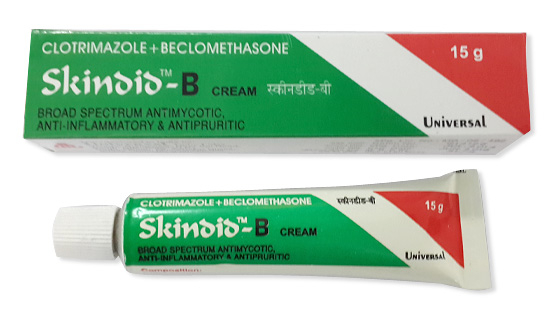
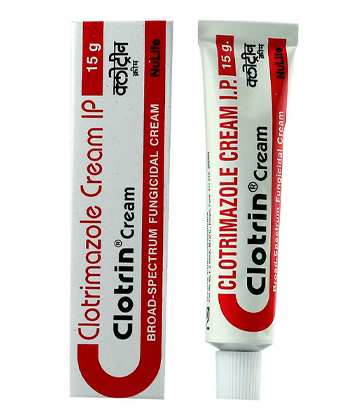
- Lotrisone is normally dispensed in pharmacies (branded Lotrisone in the US; Lotriderm/PMS variants in Canada) in 15 g and 30 g tubes; it is prescription-only in major markets (US, Canada), although availability varies and some pharmacies or online sellers may supply it without a prescription/receipt.
- Lotrisone combines clotrimazole (an imidazole antifungal that inhibits fungal cell membrane ergosterol synthesis) with betamethasone dipropionate (a potent topical corticosteroid that reduces inflammation, redness and itching) and is used for fungal skin infections such as athlete’s foot, jock itch and ringworm.
- Usual dosage for adults and adolescents 17+ is to apply a thin film to the affected area twice daily (morning and evening): up to 2 weeks for tinea corporis/cruris and up to 4 weeks for tinea pedis; do not exceed 45 g per week.
- Administered topically as a cream (standard: 1% clotrimazole / 0.05% betamethasone dipropionate); a lotion formulation exists in some countries.
- Symptom relief from the corticosteroid component (reduced itching and inflammation) is often noticed within 24–48 hours, while antifungal effects develop over several days.
- Effect from a single application is generally short-term (hours to a day for steroid symptom relief); recommended treatment courses continue up to 2–4 weeks depending on the condition to achieve full antifungal effect.
- There is no specific alcohol interaction with topical Lotrisone; drinking alcohol does not change its topical effectiveness—but avoid excessive alcohol use if overall health or wound healing is a concern and consult a healthcare provider if you expect significant systemic steroid absorption.
- The most common side effects are local skin reactions such as burning, stinging, irritation, dryness or redness; prolonged use can cause skin atrophy, folliculitis, acneiform eruptions or other corticosteroid-related local effects.
- Would you like to try lotrisone without a prescription?
Latest Research Highlights
- INN (International Nonproprietary Name): Clotrimazole and Betamethasone dipropionate.
- Brand Names Available In Canada (English): Lotriderm; Pms-Clotrimazole And Betamethasone (cream/lotion).
- ATC Code: D01AC20.
- Forms & Dosages: Cream — 1% clotrimazole / 0.05% betamethasone dipropionate (as 0.643 mg betamethasone dipropionate per 1 g cream); typical packaging 15 g and 30 g tubes.
- Manufacturers In Canada (English): Organon (Lotriderm) and Pharmascience (Pms-Clotrimazole And Betamethasone).
- Registration Status In Canada (English): Health Canada approved; prescription-only (Rx).
- OTC / Rx Classification: Prescription only in Canada.
What Does Recent Research Say About Combination Therapy Versus Antifungal Alone?
Systematic reviews and randomized trials from 2022–2025 report that combining clotrimazole with betamethasone provides faster symptomatic relief than antifungal monotherapy.
Patients tend to experience quicker reduction in erythema and pruritus with the combination product.
However, evidence is limited that combination therapy improves long‑term mycological cure over antifungal monotherapy.
Safety signals in the literature emphasise short‑course use to reduce the risk of corticosteroid‑related skin atrophy and possible HPA axis suppression when applied widely or under occlusion.
Canadian randomized data remain sparse and guidance often relies on Health Canada monographs and international meta‑analyses.
Postmarketing pharmacovigilance from national agencies notes common local reactions such as burning and irritation, and rare systemic steroid effects typically associated with misuse.
| Study Type / Year | Population | Comparator | Primary Outcomes | Adverse Events |
|---|---|---|---|---|
| Systematic Reviews (2022–2025) | Adults With Superficial Dermatophyte Infections | Antifungal Monotherapy | Faster Symptom Relief With Combination; No Clear Long‑Term Mycological Advantage | Local Irritation; Rare Systemic Steroid Effects With Misuse |
| Randomized Controlled Trials (2022–2025) | Inflamed Tinea Corporis/Cruris/Pedis | Clotrimazole Or Other Antifungal Alone | Earlier Reduction In Itch And Redness | Burning, Stinging, Occasional Skin Thinning With Prolonged Use |
| Real‑World Pharmacovigilance | Postmarketing Reports | NA | Adverse Event Reporting Emphasises Local Reactions | Common: Irritation. Rare: Systemic Corticosteroid Effects With Overuse |
How Should Canadians Interpret These Findings?
Access differences shape practical use; urban specialist clinics may favour short supervised courses, while rural community pharmacies often provide initial assessment and close counselling.
Trial materials and patient information are sometimes not bilingual, which can affect comprehension in francophone regions.
Research gaps remain, notably paediatric safety under 17 years, long‑term recurrence rates, and head‑to‑head trials comparing combination therapy with terbinafine.
| Regulatory Body | Safety Advisory Summary |
|---|---|
| Health Canada | Prescription status; monitor for skin atrophy and systemic steroid effects with prolonged or extensive use. |
| FDA | Similar postmarketing notes: local irritation common; rare systemic steroid effects reported with misuse. |
Clinical Effectiveness In Canada
Canadians Want To Know If Combination Cream Works Better Than Single‑Agent Antifungals.
Health Canada product monographs describe clotrimazole/betamethasone as providing symptomatic relief from inflammation and antifungal action for dermatophyte infections.
The combination is marketed in Canada as Lotriderm and generics such as Pms‑Clotrimazole And Betamethasone.
Available cream strength is 1% clotrimazole with 0.05% betamethasone dipropionate in 15 g and 30 g tubes.
Health Canada approval makes these products prescription‑only, and they carry a Drug Identification Number (DIN); pharmacists should confirm the DIN in the Health Canada Drug Product Database when counselling.
Provincial formularies commonly list antifungal monotherapy such as topical terbinafine or clotrimazole more broadly than steroid combinations.
Coverage under provincial plans such as Ontario Drug Benefit, BC PharmaCare, and RAMQ may be limited or require special‑authority for steroid–antifungal combinations.
| Label Recommendation (Health Canada) | Common Provincial Formulary Notes |
|---|---|
| Apply Thin Film Twice Daily; Up To 2 Weeks For Body/Groin; Up To 4 Weeks For Foot; Max 45 g/week | Monotherapy Often Preferred; Combination May Require Special‑Authority Or Restriction |
Clinical Practice Points For Pharmacists And Prescribers.
Short courses deliver rapid itch relief and improved sleep quality for inflamed lesions.
Mycological cure still depends on antifungal adherence and correct duration of therapy.
For rural patients, community pharmacists frequently act as the first clinical contact and should emphasise steroid risks and referral triggers.
Indications And Expanded Uses
When Is A Combination Cream Appropriate?
Labelled indications in Canada include tinea corporis, tinea cruris, and tinea pedis when inflammation and itching warrant combined therapy.
The INN is clotrimazole and betamethasone dipropionate.
- Labelled
- Treatment of inflamed dermatophyte infections such as athlete’s foot, jock itch, and ringworm.
- Off‑Label
- Occasional use for eczematized tinea or mixed inflammatory fungal eruptions, but not routine for undifferentiated rashes.
- Topical Corticosteroid Risk
- Prolonged or extensive use can cause skin atrophy and, rarely, systemic steroid effects.
- Mycological Cure
- Depends on antifungal exposure and duration; symptomatic improvement does not guarantee fungal eradication.
Paediatric Use And Pregnancy.
Safety and efficacy are not established in patients under 17 years; avoid use unless prescribed by a specialist.
Pregnancy and lactation require weighing benefits against potential risks; consult provincial teratogen information services for advice.
Red Flags And Referral Triggers.
- Rapidly spreading rash or failure to improve after recommended duration.
- Systemic symptoms such as fever or malaise.
- Periorificial involvement, facial rashes, or suspected secondary bacterial infection.
Composition And Brand Landscape
What’s In The Tube And Who Makes It?
The cream contains 1% clotrimazole and 0.05% betamethasone dipropionate, expressed as 0.643 mg betamethasone dipropionate per 1 g of cream.
ATC classification is D01AC20, under dermatological antifungals (imidazole class).
| Brand | Manufacturer | Strength | Tube Sizes | DIN Presence |
|---|---|---|---|---|
| Lotriderm | Organon | 1% / 0.05% | 15 g, 30 g | Health Canada Approved — Confirm DIN In DPDB |
| Pms‑Clotrimazole And Betamethasone | Pharmascience | 1% / 0.05% | 15 g, 30 g | Health Canada Approved — Confirm DIN In DPDB |
| Lotrisone (US) | Merck/Schering‑Plough (Branded) | 1% / 0.05% | 15 g, 30 g | US FDA Approved — Not A Canadian DIN |
Bilingual Labelling And Supply Considerations.
Packaging and patient leaflets in Canada must meet English/French labelling requirements, which is especially important for Quebec patients.
Community chains such as Shoppers Drug Mart, Rexall, Jean Coutu, and London Drugs stock patterns vary and northern shortages can occur.
Procurement options include generic substitution, local compounding where appropriate, or provincial special‑authority requests when a product is unavailable.
Contraindications And Special Precautions
Who Should Not Use This Cream?
Absolute contraindications include known hypersensitivity to clotrimazole, betamethasone dipropionate, or any excipients.
The cream is not for ocular, oral, or intravaginal use.
Special Cautions In Practice.
- Children under 17 years — safety not established; avoid unless specialist‑prescribed.
- Limit application area and duration to reduce systemic steroid absorption.
- Monitor elderly and Indigenous patients with thinner or compromised skin for atrophy.
- Occlusion
- Covering treated skin increases steroid absorption and risk of systemic effects.
- HPA Suppression
- Prolonged or extensive use can suppress adrenal function; assess clinically if suspected.
Drug Interactions And Comorbidities.
For patients on systemic corticosteroids or with poorly controlled diabetes, prefer antifungal monotherapy when feasible and document baseline glucose control.
Do not exceed 45 g per week of cream.
Dosage Guidelines
How To Use The Cream Safely And Effectively.
Adults and adolescents 17 years and older should apply a thin film twice daily to affected areas in the morning and evening.
Typical durations are up to 2 weeks for tinea corporis and tinea cruris, and up to 4 weeks for tinea pedis.
Maximum weekly use is 45 g of cream.
- Clean and dry the area before application.
- Apply a thin film and rub in gently.
- Wash hands after application unless treating the hands.
Missed Dose And Overdose.
If a dose is missed, apply as soon as remembered; do not double up doses.
Topical overdose is unlikely, but excessive or prolonged use risks HPA suppression; consider morning cortisol testing if clinical concerns arise.
| Package Size | Estimated Treatment Duration (Typical) |
|---|---|
| 15 g Tube | Not Specified — Variable Based On Area Treated; Check Prescribed Quantity |
| 30 g Tube | Not Specified — Variable Based On Area Treated; Check Prescribed Quantity |
Interactions Overview
Will The Cream Interact With Other Medicines?
Topical clotrimazole/betamethasone has minimal systemic interactions when used as directed.
Extensive or prolonged application increases the chance of systemic steroid absorption and potential interactions.
- Concurrent systemic corticosteroids can additively suppress the HPA axis.
- Potent CYP inhibitors are unlikely to be clinically relevant for topical clotrimazole but remain theoretically possible.
- Patients on antidiabetic medications should monitor blood glucose if large‑area therapy is used.
- CYP Interaction
- Topical clotrimazole may have minimal systemic exposure and typically does not cause clinically meaningful CYP interactions.
- HPA Axis
- Extensive treatment or occlusion may increase systemic corticosteroid absorption and risk adrenal suppression.
Pharmacist Monitoring Recommendations.
Record current medications in the patient profile and flag interactions for pregnant, elderly, and Indigenous patients.
Cultural Perceptions And Patient Habits
What Patients Often Worry About.
Many Canadians prioritise clear instructions, safety, and cost when selecting topical treatments.
Online forums frequently praise rapid symptom relief but warn about steroid misuse and limited follow‑up.
Bilingual labelling and French‑language counselling are essential in Quebec, and culturally safe care is important for Indigenous communities.
- Common habits include trying OTC antifungals first, sharing tubes among family members, and stopping treatment early when symptoms improve.
- Urban patients often seek rapid access through chains such as Shoppers Drug Mart and Rexall.
- Rural patients rely more on mail‑order or clinic delays and may use provincial telehealth services.
| Setting | Typical Access | Suggested Pharmacy Workflow |
|---|---|---|
| Urban | Same‑day Pharmacy Access | In‑person Counselling, Quick Follow‑Up |
| Rural | Mail‑Order Or Delayed Clinic Access | Teledermatology Referral, Photo Triage |
Availability And Pricing Patterns
Where Canadians Can Find Combination Creams And What It Might Cost.
In Canada, Lotriderm and generics like Pms‑Clotrimazole And Betamethasone are prescription‑only and stocked at major chains and community pharmacies.
Private insurance commonly covers prescription creams, while provincial public drug plans may not list steroid–antifungal combinations broadly.
Some patients consider US purchases of Lotrisone for savings, but cross‑border products may not carry a Canadian DIN or bilingual labelling.
In our online pharmacy, lotrisone is available without a prescription, with discreet delivery to Canada (English) in 5‑14 days.
- Cost reduction tactics: choose a generic, consider antifungal monotherapy where appropriate, check patient assistance programmes.
- Remote northern communities should check local pharmacy stock and provincial procurement routes to avoid delays.
| Location | Typical Retail Price Range | Notes |
|---|---|---|
| Major Canadian Cities | Not Specified | Prices Vary By Pharmacy And Insurance Coverage |
| United States List Prices (Lotrisone) | Not Specified | Availability And Pricing May Differ From Canadian Products |
Comparable Medicines And Preferences
How To Choose Between Combination Products And Single‑Agent Antifungals.
| Product | Active Ingredient | Steroid Potency | Typical Indication | OTC Vs Rx |
|---|---|---|---|---|
| Clotrimazole/Betamethasone (Lotriderm) | Clotrimazole + Betamethasone Dipropionate | Potent Topical Steroid | Inflamed Tinea With Itch | Rx |
| Clotrimazole (Canesten) | Clotrimazole | None | Mild Non‑inflamed Tinea | OTC |
| Terbinafine (Lamisil) | Terbinafine | None | Tinea Pedis/Corporis — High Mycological Cure | OTC/Prescription (Form Dependent) |
Decision Checklist For Primary Care And Pharmacy.
- Mild, non‑inflamed tinea → antifungal monotherapy (avoids steroid risks).
- Inflamed, itchy lesions → short‑course combination therapy with planned follow‑up.
- Document rationale when prescribing combination therapy, especially where formularies prefer monotherapy.
Faq Section
Common Patient Questions In Plain Language.
Q1: Is Lotrisone/Lotriderm Available Without A Prescription In Canada?
A1: No — Health Canada classifies clotrimazole/betamethasone as prescription only; always check the DIN on the package and talk to your pharmacist.
Q2: Can I Use This For Athlete’s Foot Or Jock Itch?
A2: Yes — the product is labelled for tinea pedis, tinea corporis, and tinea cruris; apply a thin film twice daily for up to 4 weeks for the foot and up to 2 weeks for body or groin.
Q3: What Side Effects Should I Expect And When Should I Stop?
A3: Mild burning, stinging, or redness are common; stop and seek care if you have severe irritation, spreading rash, signs of infection, or any systemic symptoms.
Q4: Can I Buy US Lotrisone Cheaper And Use It In Canada?
A4: Cross‑border purchases may be less expensive but often lack a Canadian DIN and bilingual labelling; check authenticity and consult a Canadian pharmacist before using.
Q5: Can Children Or Pregnant People Use This?
A5: Avoid use in those under 17 unless prescribed by a specialist; in pregnancy or breastfeeding use only if benefits outweigh risks after consulting your provider.
Guidelines For Proper Use (Pharmacist Advice)
What Pharmacists Should Do At Dispensing.
Begin With A Focused History And Skin Examination: onset, household spread, prior treatments, and symptom severity.
If Diagnosis Is Uncertain, Refer To Dermatology Or Use KOH Microscopy Where Available.
- Counsel: apply a thin film twice daily, limit treated area, do not occlude, avoid facial use, and stop after the recommended duration.
- Provide a bilingual English/French handout with clear dosing and follow‑up instructions.
- Document DIN, indication, and quantity dispensed for provincial plan requirements and special‑authority submissions.
Follow‑Up And Escalation.
Arrange a follow‑up within two weeks for inflamed lesions to confirm clinical improvement.
Escalation triggers include spreading infection, systemic symptoms, or lack of response after the treatment window.
For rural patients, arrange teledermatology consults and accept clinical photos to support remote assessment.
Delivery Across Canada (English)
| City | Region | Delivery Time |
|---|---|---|
| Toronto | Ontario | 5-7 Days |
| Montreal | Quebec | 5-7 Days |
| Vancouver | British Columbia | 5-7 Days |
| Calgary | Alberta | 5-7 Days |
| Edmonton | Alberta | 5-7 Days |
| Ottawa | Ontario | 5-7 Days |
| Winnipeg | Manitoba | 5-7 Days |
| Quebec City | Quebec | 5-7 Days |
| Hamilton | Ontario | 5-9 Days |
| Kitchener | Ontario | 5-9 Days |
| Halifax | Nova Scotia | 5-7 Days |
| Victoria | British Columbia | 5-7 Days |
| Saskatoon | Saskatchewan | 5-9 Days |