Minoxidil
Minoxidil
- In pharmacies in Canada, minoxidil is available without a prescription in topical 2% and 5% forms; oral minoxidil is prescription-only.
- Minoxidil is used mainly for androgenetic alopecia and hair regrowth. It works by widening blood vessels and prolonging the growth phase of hair follicles, which helps stimulate hair growth.
- The usual dose for hair loss is topical minoxidil 1 mL of 2% or 5% solution, or an equivalent amount of foam, applied to the scalp once or twice daily. Oral minoxidil doses vary and are only used under medical supervision.
- The form of administration is topical solution, foam, lotion, or gel applied to the scalp; an oral tablet form also exists for other medical uses.
- The effect usually begins in about 2 to 4 months, although some people may notice early shedding before improvement appears.
- The duration of action requires continuous use; benefits are maintained only while the medication is used regularly.
- Alcohol is not specifically contraindicated with topical minoxidil, but excessive alcohol may worsen dizziness or low blood pressure, especially with oral minoxidil.
- The most common side effects are scalp irritation, itching, dryness, flaking, and unwanted hair growth in nearby areas; oral use may also cause dizziness, increased heart rate, and swelling.
- Would you like to try minoxidil without a prescription?
Latest Research Highlights On Minoxidil In Canada And Internationally
Basic minoxidil Information
- INN (International Nonproprietary Name): Minoxidil
- Brand names available in Canada (English): Rogaine
- ATC Code: D11AX01
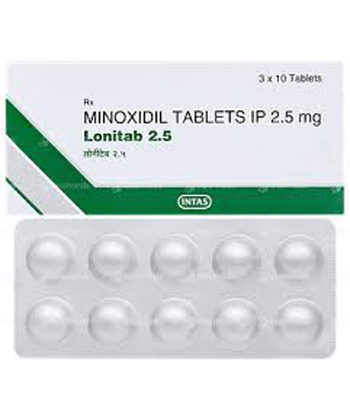
- Forms & dosages: Topical solution/foam 2%, 3%, 5%, 7.5%; oral tablets 2.5mg, 5mg, 10mg; topical gel/lotion 5%, 10%
- Manufacturers in Canada (English): Apotex, Upjohn (Pfizer/Kenvue for Rogaine), Perrigo, Taro
- Registration status in Canada (English): Topical solution or foam for hair loss is widely registered; oral minoxidil is Rx-only and approved for severe hypertension
- OTC / Rx classification: US and Canada topical minoxidil is OTC (2%, 5%); oral minoxidil is Rx only
Has minoxidil kept its place as the mainstay of hair regrowth treatment because it still works, or because patients can actually stay on it?
The answer is both.
Minoxidil, the International Nonproprietary Name used worldwide, sits in ATC group D11AX01 and remains the best-known first-line therapy for androgenetic alopecia.
That matters in Canada, where topical 2% and 5% products are the most familiar hair-loss forms, just as they are in the US and many global markets.
Recent international studies from 2022 to 2025 have focused on practical questions rather than whether minoxidil belongs in treatment at all.
Researchers have compared topical foam with solution for tolerability, day-to-day adherence, and scalp comfort, while interest in lower-dose oral minoxidil has grown as an off-label option under physician supervision.
For Canadian patients, the real-world picture is simple: Health Canada-regulated OTC access makes topical minoxidil easy to start, but pharmacy counselling often determines whether patients use it correctly long enough to see results.
| Study Type | Population | Formulation | Outcome | Key Safety Signal |
|---|---|---|---|---|
| Comparative clinical trials | Men and women with androgenetic alopecia | Topical foam vs solution | Similar hair regrowth support, with foam often preferred for convenience | Less greasy feel, but local irritation still possible |
| Real-world adherence studies | Adults using OTC hair-loss treatment | Topical 2% and 5% | Better persistence when routine fit daily life | Stopping early remains a common reason for poor outcomes |
| Specialist case series | Patients with difficult-to-treat hair loss | Low-dose oral minoxidil | Growing interest as an off-label option | Blood pressure and heart-rate monitoring required |
For shoppers comparing minoxidil foam and minoxidil topical solution, the evidence has not replaced the standard message: consistency matters more than the packaging.
Minoxidil remains one of the most studied alopecia products, and the strength of the evidence base is still what keeps it in routine pharmacy use across Canada.
LSI/NLP keywords: minoxidil, hair regrowth treatment, minoxidil topical, minoxidil foam, hair loss treatment.
Keyword Cluster: evidence, efficacy, safety, Canada research, first-line alopecia therapy.
Clinical Effectiveness In Canada: What Health Canada And Real-World Use Show
What do Canadian patients usually want to know first: does it work, and how long will it take?
Topical minoxidil is widely used in Canada as an over-the-counter hair-loss treatment, while oral minoxidil remains prescription only and is primarily approved for hypertension.
In day-to-day pharmacy practice, dispensing is often DIN-based, with counselling at chain pharmacies such as Shoppers Drug Mart, Rexall, Jean Coutu, and London Drugs helping patients choose the right concentration and format.
The standard practical regimen is straightforward.
Men often use 5% solution or foam, 1 mL twice daily.
Women commonly use 2% once or twice daily, although some 5% products may be used depending on labelling and prescriber advice.
Initial results usually begin in 2 to 4 months, and the effect tends to peak around 12 months.
That timeline is important for Canadian patients working shift schedules, travelling across provinces, or trying to keep up with winter routines that already feel hectic.
Data highlights:
- What works best: Topical minoxidil remains the most practical first-line option for androgenetic alopecia, especially when started early.
- How long to use: Continuous use is needed to maintain gains, because stopping usually reverses the benefit over time.
- Why patients stop: Mild scalp irritation, slow visible change, cost, and inconsistent daily use are the most common reasons.
For many customers, the biggest barrier is not the active ingredient but the habit.
When a product fits a morning routine, a bedtime routine, or an after-shower habit, adherence is better and results are more likely to show up.
LSI/NLP keywords: minoxidil Canada, Rogaine Canada, hair regrowth treatment, minoxidil 5%, minoxidil 2%.
Keyword Cluster: Health Canada, OTC access, DIN, effectiveness, adherence.
Indications And Expanded Uses: Approved Vs Off-Label In Canadian Practice
Is minoxidil for every kind of hair loss, or only for one pattern?
The clearest answer is that topical minoxidil is used for androgenetic alopecia in men and women.
Oral minoxidil tablets are approved for hypertension and are sometimes used off-label for hair loss in specialist settings, but that should stay physician-guided rather than consumer-directed.
Canadian patients often ask about diffuse shedding, postpartum hair loss, and female pattern hair loss.
Those situations may still be discussed in clinic, but the strongest evidence remains for androgenetic alopecia.
- Androgenetic alopecia
- A common, patterned form of hair loss linked to genetic and hormone-sensitive follicles.
- Off-label use
- Using a medicine for a reason that is not the official approved indication.
- OTC
- Over the counter; can be purchased without a prescription.
- Rx
- Prescription only; requires a prescriber’s order.
That distinction matters because self-diagnosis is risky.
Patchy hair loss can reflect thyroid disease, iron deficiency, autoimmune conditions, or traction alopecia, and those need proper assessment rather than a quick trial of a topical product.
In Canadian practice, patients do best when they understand what minoxidil can help, what it cannot fix, and when another diagnosis needs to be ruled out first.
LSI/NLP keywords: minoxidil for hair loss, alopecia products, oral minoxidil tablets, hair loss treatment, Rogaine.
Keyword Cluster: indications, approved uses, off-label use, Canadian practice.
Composition And Brand Landscape In Canada And Abroad
Why do some people swear by Rogaine while others search for a generic bottle?
The answer often comes down to cost, shelf availability, and packaging confidence rather than a major scientific difference.
Minoxidil is the INN, and brand families such as Rogaine in Canada and North America, Regaine internationally, and various global generics make up the market.
Common presentations include 60 mL bottles for solution and foam cans for topical products, usually in 2% or 5% strengths.
Many product lines are sold in separate men’s and women’s versions, which influences consumer perception more than the underlying science.
Canadian shoppers also tend to compare branded Rogaine with generic minoxidil for price, with bilingual labelling often expected at national retail and pharmacy channels.
| Brand | Region | Form | Concentration | Typical Pack Size |
|---|---|---|---|---|
| Rogaine | Canada, US, global | Solution or foam | 2%, 5% | 60 mL bottles |
| Regaine | Europe, Asia-Pacific | Solution or foam | 2%, 5% | Various packs |
| Kirkland | US, online | Solution | 5% | 60 mL bottles |
| Minoxidil Biorga | Portugal, Spain, Belgium | Foam or solution | 2%, 5% | Varies |
Topical use is the main Canadian pattern, even though oral formulations exist in some markets.
For most shoppers, the brand conversation is really a practical one: what is available, what is affordable, and what fits a daily routine.
LSI/NLP keywords: Rogaine, Regaine, Kirkland Minoxidil, minoxidil solution, minoxidil foam.
Keyword Cluster: brands, packaging, generics, Canadian retail, bilingual labels.
Contraindications And Special Precautions For Canadian Patients
Could a hair-loss product still be the wrong fit for some people?
Yes, especially when there are scalp problems or heart-related risks in the background.
Absolute contraindications include hypersensitivity to minoxidil or excipients, severe scalp dermatoses for topical use such as psoriasis or severe eczema, and pheochromocytoma or severe heart disease for oral use.
Relative contraindications need monitoring rather than automatic avoidance.
That is particularly important in Canadian patients with cardiovascular disease, renal impairment, pregnancy or breastfeeding, older age, or children, because safety data are limited in some of those groups.
- Higher-risk groups: people with arrhythmia, angina, kidney or liver dysfunction, older adults, pregnant or breastfeeding patients, and children.
- Red flags for medical review: chest pain, fast heartbeat, dizziness, swelling of the hands or feet, and worsening scalp irritation.
- Practical barrier groups: rural patients, older adults, and some Indigenous communities may have less frequent follow-up or pharmacy continuity.
If the scalp is inflamed, broken, or very irritated, topical minoxidil can worsen discomfort and reduce adherence.
For oral use, blood pressure monitoring is essential, and the product should never be started casually without medical oversight.
LSI/NLP keywords: minoxidil side effects, contraindications, cardiovascular disease, pregnancy breastfeeding, scalp irritation.
Keyword Cluster: precautions, risk groups, monitoring, Canada safety, patient counselling.
Dosage Guidelines: Canadian-Style Practical Use
Do people need a complicated schedule to make minoxidil work?
Usually not, but they do need a routine they can actually keep.
Men often use 5% solution or foam, 1 mL twice daily.
Women commonly use 2% once or twice daily, with some 5% use depending on the product and prescriber advice.
Treatment is ongoing, and stopping usually reverses the gains.
If a dose is missed, apply it when remembered, but skip it if the next dose is almost due.
Do not double up.
| Form | Strength | Frequency | Key Notes |
|---|---|---|---|
| Topical solution | 2%, 5% | Once or twice daily | Standard option; can feel more liquid on the scalp |
| Topical foam | 2%, 5% | Once or twice daily | Often preferred for less greasy feel and easier routine fit |
| Oral tablets | 2.5 mg, 5 mg, 10 mg | Per prescription | Hypertension use; hair-loss use is off-label and monitored |
Foam is often easier for Canadians to fit into work or school routines, especially in winter when hats, dry indoor air, and scalp comfort all matter.
Oral minoxidil should be prescribed and monitored, not self-started.
LSI/NLP keywords: minoxidil dosage, minoxidil 5%, minoxidil 2%, minoxidil foam, hair regrowth treatment.
Keyword Cluster: dosing, application, adherence, Canadian patient use, continuous treatment.
Interactions Overview: Medicines, Lifestyle, And Practical Conflicts
Does minoxidil interact with everyday medicines, or is it mostly straightforward?
Topical products have fewer systemic interactions, while oral minoxidil can interact with blood-pressure management and other cardiovascular medicines.
That means a medication review matters, especially if a patient already takes antihypertensives, diuretics, or medicines that affect heart rate or fluid balance.
- Drug-drug interactions: oral minoxidil may complicate other blood-pressure medicines and heart-rate-lowering drugs.
- Drug-condition interactions: cardiovascular disease, renal impairment, or fluid-balance problems increase the need for monitoring.
- Product-use issues: topical solutions are flammable and should be kept away from heat sources, vehicle storage, and open flames.
Canadian counselling also has to include lifestyle realities.
Alcohol use, dehydration during winter sports or summer heat, and missed doses during travel can all make routine use less reliable.
That is why a simple medication review can be more useful than a long warning list.
LSI/NLP keywords: minoxidil interactions, blood pressure medicines, minoxidil topical solution, oral minoxidil, medication review.
Keyword Cluster: interactions, safety, cardiac monitoring, topical use, Canadian counselling.
Cultural Perceptions And Patient Habits Across Canada
Why do so many Canadian patients ask about price before they ask about the active ingredient?
Because value, access, and practicality shape treatment decisions here, even for OTC products.
Minoxidil is sold as topical OTC in Canada, and familiar brand lines such as Rogaine are widely recognized.
At the same time, people expect clear pricing and easy access, which reflects a universal healthcare mindset even when the product itself is purchased out of pocket.
Bilingual labelling also matters, especially in national retail settings and online ordering.
Urban patients may have multiple pharmacy options, while rural patients often depend on a smaller number of stores or online supply.
- Comparing brands online before buying.
- Delaying treatment while waiting for “the right time.”
- Switching products when the price changes.
- Asking pharmacists first, especially when dermatology wait times are long.
Canadian forums often focus on shedding anxiety, how long regrowth takes, and whether foam is worth the extra cost.
That conversation is especially personal for women and younger adults, where body image and stigma can make hair loss feel louder than the medicine itself.
LSI/NLP keywords: Rogaine Canada, hair regrowth, best minoxidil brand, minoxidil foam, minoxidil price.
Keyword Cluster: patient habits, Canadian culture, stigma, access, adherence.
Availability And Pricing Patterns In Canada
Where do Canadian shoppers usually find minoxidil, and what do they pay?
The practical market answer is that it is commonly available at Shoppers Drug Mart, Rexall, Jean Coutu, and London Drugs, as well as through online Canadian pharmacies.
Topical 60 mL packs are the standard OTC format in Canada and the US, and pricing varies by brand, concentration, and whether the product is solution or foam.
Cross-border shopping comes up often because US pricing can look lower at first glance, but currency conversion, shipping, customs, and return limitations can erase the savings.
Some provincial drug plans do not routinely cover OTC minoxidil, so many patients pay out of pocket even within a publicly funded system.
| Option | Typical Canadian Price Band | Access Notes | Cross-Border Caveat |
|---|---|---|---|
| In-store chain pharmacy | Moderate to higher | Easy counselling and immediate pickup | Usually not needed |
| Online Canadian pharmacy | Often competitive | Convenient replenishment and discreet ordering | Delivery time and stock can vary |
| Cross-border purchase | Sometimes appears lower | Limited by shipping and return policies | Currency, customs, and delays may outweigh savings |
Rural communities may face fewer in-store options, which pushes patients toward online ordering or larger national pharmacy chains.
For shoppers who need a discreet purchase, our online pharmacy offers minoxidil without a prescription, with discreet delivery to Canada in 5 to 14 days.
LSI/NLP keywords: minoxidil price, minoxidil Canada, Rogaine price, over-the-counter hair regrowth, online pharmacies.
Keyword Cluster: availability, pricing, pharmacy chains, cross-border access, out-of-pocket cost.
Comparable Medicines And Patient Preferences In Canada
What happens when minoxidil is not enough, or when a patient wants something different?
Canadian-relevant alternatives include finasteride, dutasteride, topical anti-androgens such as alfatradiol, and spironolactone for some women off-label.
Minoxidil is usually the first-line hair regrowth choice, while finasteride and dutasteride may be preferred for men with androgen-driven loss under prescription care.
| Drug | Access In Canada | Main Benefit | Common Limitation | Patient Preference |
|---|---|---|---|---|
| Minoxidil | OTC topical; Rx oral | First-line hair regrowth treatment | Needs daily use and patience | Preferred for easy access |
| Finasteride / Propecia | Prescription only | Useful for androgen-driven loss in men | Not suitable for everyone | Chosen when oral therapy is acceptable |
| Dutasteride | Prescription only | Another androgen-focused option | Requires prescriber oversight | Selected in specialist care |
| Spironolactone | Off-label in women | Sometimes used for female pattern hair loss | Monitoring and pregnancy considerations | Depends on tolerance of oral treatment |
A quick pros-and-cons check usually helps.
OTC access, pregnancy considerations, side effect profile, cost, and monitoring needs often decide the final choice more than brand loyalty does.
Some patients want a daily topical routine, while others prefer an oral prescription if it is appropriate and monitored.
LSI/NLP keywords: finasteride, dutasteride, spironolactone, hair loss treatment, minoxidil topical.
Keyword Cluster: alternatives, comparison, prescription options, patient preference, Canadian treatment choices.
Frequently Asked Questions About Minoxidil In Canada
How long does minoxidil take to work?
Initial results usually appear in 2 to 4 months, and the strongest effect is often seen around 12 months with continuous use.
Can I use Rogaine in Canada without a prescription?
Yes, topical minoxidil is available OTC in Canada, while oral minoxidil remains prescription only.
Is minoxidil foam better than solution?
Foam is often preferred for comfort and convenience, but both forms are used; the best option is usually the one a patient can use consistently.
What happens if I stop using it?
Hair gains are usually lost over time if treatment is stopped, because ongoing use is needed to maintain results.
Can women use 5% minoxidil?
Some women use 5% products depending on product labelling and prescriber advice, but 2% remains the common starting strength.
LSI/NLP keywords: minoxidil FAQ, Rogaine Canada, minoxidil foam, minoxidil 5%, hair regrowth treatment.
Keyword Cluster: patient questions, quick answers, OTC use, women’s use, timelines.
Guidelines For Proper Use And Pharmacist Advice In Canada
What makes minoxidil work safely in everyday pharmacy use?
Good technique and steady habits.
Wash and dry the scalp before use.
Apply the correct amount, avoid overuse, wash hands after, and let the product dry before putting on hats or styling products.
Store minoxidil at 15 to 30°C and protect it from heat, moisture, and light.
Keep bottles tightly closed, because topical solutions are flammable.
- Do: use the product exactly as labelled, ask the pharmacist about DIN-labelled products, check bilingual packaging, and confirm whether coverage is only through OTC purchase rather than a provincial formulary such as Ontario Drug Benefit, BC PharmaCare, or RAMQ.
- Don’t: double doses after a missed application, apply to badly irritated skin without advice, or self-start oral minoxidil.
- Seek care if: chest pain, dizziness, swelling, palpitations, or severe irritation appears.
If a topical overdose happens, wash the area with water and seek advice if symptoms are significant.
Oral overdose can cause severe hypotension and tachycardia and needs urgent medical attention.
Delivery Across Canada (English)
| City | Region | Delivery time |
|---|---|---|
| Toronto | Ontario | 5-7 days |
| Ottawa | Ontario | 5-7 days |
| Hamilton | Ontario | 5-7 days |
| Mississauga | Ontario | 5-7 days |
| London | Ontario | 5-7 days |
| Montreal | Quebec | 5-7 days |
| Quebec City | Quebec | 5-7 days |
| Calgary | Alberta | 5-7 days |
| Edmonton | Alberta | 5-7 days |
| Vancouver | British Columbia | 5-7 days |
| Surrey | British Columbia | 5-7 days |
| Winnipeg | Manitoba | 5-7 days |
| Halifax | Nova Scotia | 5-7 days |
| St. John’s | Newfoundland and Labrador | 5-9 days |
| Saskatoon | Saskatchewan | 5-9 days |